Why Everyone’s Wearing a Belt—And Why That Might Be a Problem
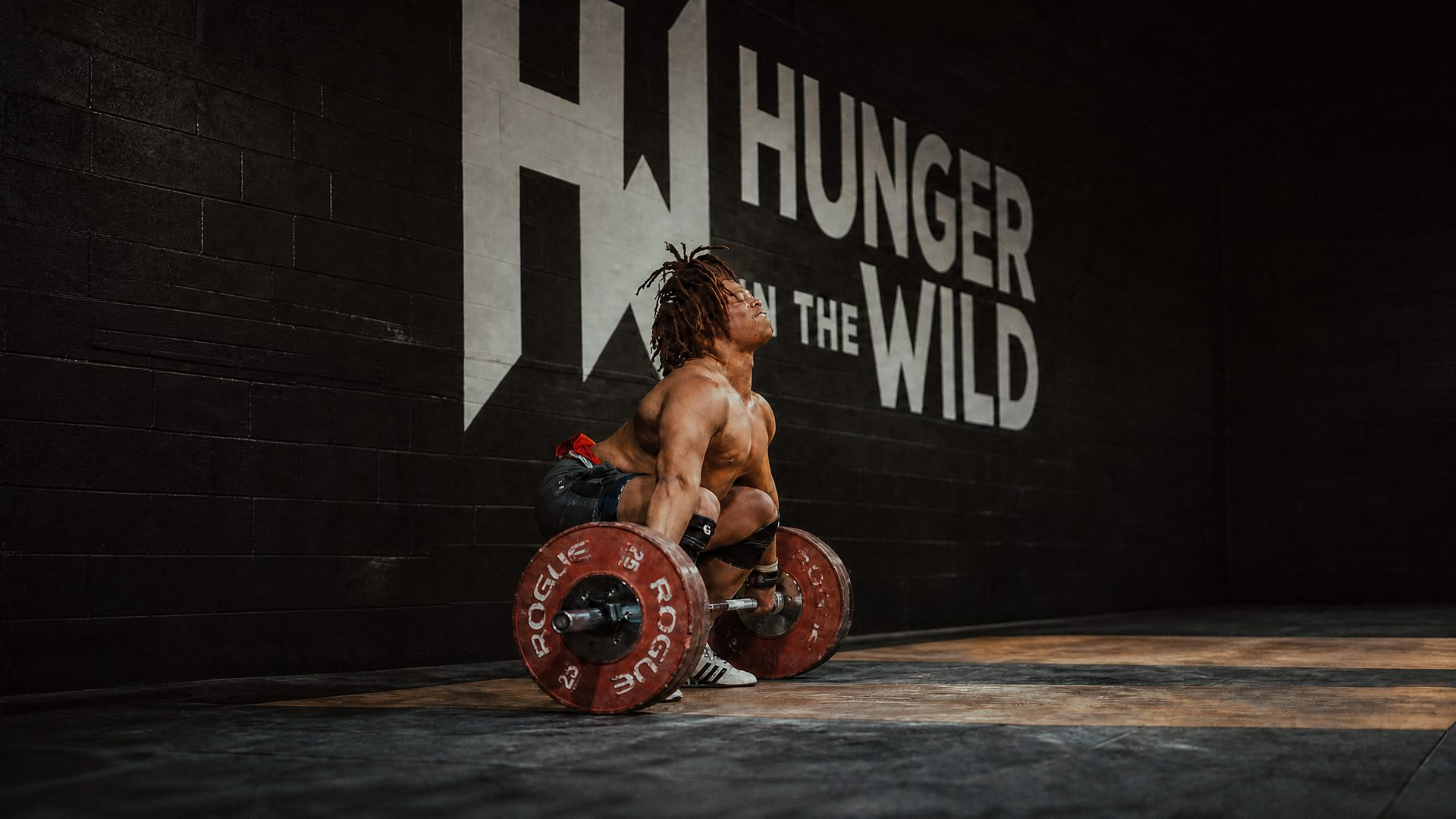
Take a walk through any gym and look around. Almost nobody pulls a heavy squat, deadlift, or clean these days without belting up first. You could probably count on one hand how many times you’ve seen someone hit a heavy single raw—no belt, just grit.
And when you do ask the rare lifter who lifts beltless why they choose to do so, you’ll often hear:
But most lifters land on the other side of the debate. They throw their belt on for every heavy set—sometimes even for warm-ups—and if you ask them why, their go-to answers are usually:
Fair. But is that actually true?
Let’s dig into the why and the what if.
For lifters looking to build confidence under heavier loads while improving technique and overall strength, Hunger In The Wild’s Coach-led Strength Training Classes in Dallas provide structured programming and experienced coaching.
What a Weightlifting Belt Actually Does
A lifting belt helps you brace. It gives your abdominal wall something to press against, creating more intra-abdominal pressure. That pressure reinforces your spine, locks in your torso, and helps you stay rigid under a heavy load.
Sounds pretty useful, right? Sure. But here’s the deal:
Your body can and should be able to do all of that without a belt. Especially if you’re still in the early or intermediate stages of training.
Using a belt as a crutch too early in your strength development limits your long-term progress. You end up skipping the foundational work—building the musculature, stability, and control to support those same loads raw.
In other words: you’re sacrificing real, long-term strength for the illusion of safety.
Why Beginner Lifters Should Skip the Belt (For Now)
When you’re new to strength training, your job is to develop sound technique and build true positional strength. Not hack your way through a PR by strapping yourself into support gear.
A belt doesn’t teach you to brace. It gives you a shortcut. And that shortcut leaves a big hole in your strength foundation.
Here’s what you should be building instead.
What Is Positional Strength?
Positional strength is the ability to maintain a rigid, efficient posture throughout a lift’s entire range of motion—especially under load.
That means no knee collapse at the bottom of your squat. No spinal rounding off the floor. No shifting under a clean. No movement breakdown when the bar speed slows.
It’s your body’s natural defense system. And it’s non-negotiable.
Why Positional Strength Matters for Injury Prevention
When you lift heavy, form breakdown becomes a high-risk situation. If you can’t hold your position under pressure, you’re gambling with injury.
At Hunger in the Wild, we coach positional strength from day one. Whether you’re chasing a 300-pound clean or just starting barbell basics, your body needs to learn how to move well—before it moves big.
Strong positions = fewer injuries. Period.
How Do You Build Positional Strength?
You challenge it. Without the belt.
Your body adapts to stress. That’s the whole point of training. So if you never force your trunk, spine, and core to stabilize loads without help, they’ll never learn how.
Ditching the belt, even temporarily, teaches your body to do the work. It teaches you to brace from within. And that translates into bigger lifts with the belt later on—and less risk of injury no matter what you’re doing.
6 Brutally Effective Exercises to Build Positional Strength (No Belt Needed)
These movements build serious trunk and torso strength—without needing a belt to fake your way through them.
#1. Pause Back or Front Squat
Sets/Reps: 3–6 sets of 1–3 reps
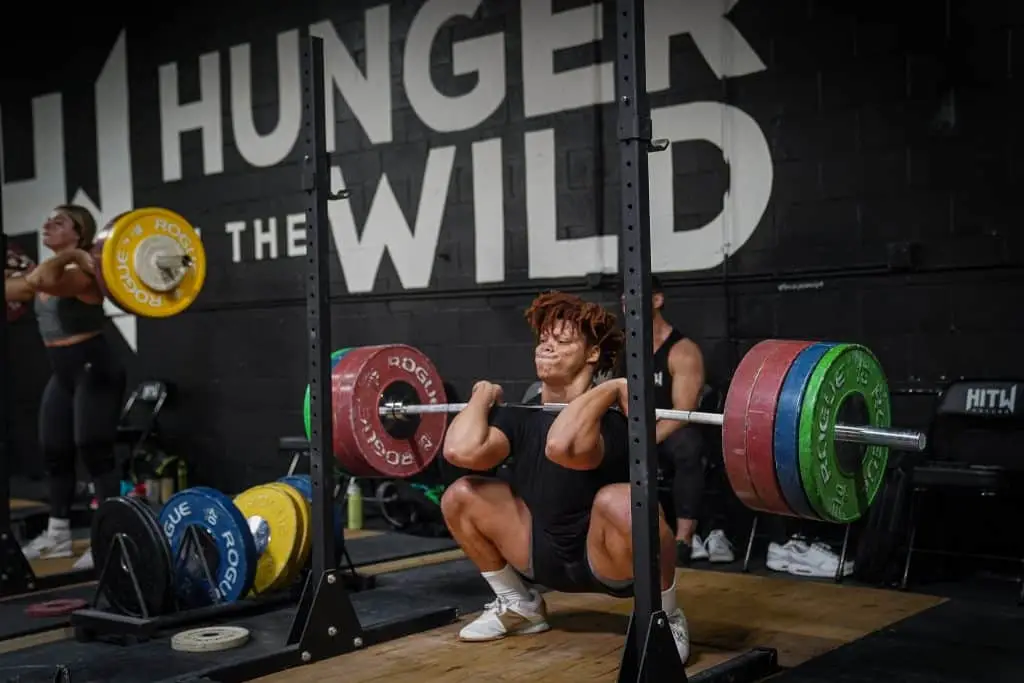
Squat to full depth, then hold the bottom for 3–5 seconds without losing tension. Chest up, spine locked in, torso braced. No shifting, no relaxing.
#2. Stiff-Legged Deadlifts
Sets/Reps: 4–5 sets of 3–6 reps
Start from the floor, knees slightly bent. Reset each rep. Focus on tension through the posterior chain.
#3. Romanian Deadlifts (RDLs)
Sets/Reps: 4–5 sets of 4–8 reps
Lower the bar just below the knees. Keep your torso rigid and lats locked in. It’s a hinge movement, not a squat.
#4. Good Mornings
Sets/Reps: 4–5 sets of 5–10 reps
Bar on your back, hinge at the hips. Keep a flat spine throughout. Don’t rush—control every inch.
#5. Back Extensions
#6. 3-Way Weighted Planks (Front/Side/Side)
Sets/Reps: 2–3 sets of 20–30 seconds per side
Add a weight plate to your back and lock in. No arching, no sagging. Just pure tension.
Final Thoughts: Train Raw. Then Earn the Belt.
We’re not saying never use a belt. We’re saying earn the belt.
If you’re skipping the work of building a strong, resilient trunk—you’re not building longevity. You’re building dependence. The fastest way to increase your raw lifting ability is to build strength where it matters most: inside your own body.
Train raw. Build your foundation. And when the time is right, use the belt as a performance tool—not a necessity.
📍 Schedule a Free Consultation to Learn More About Our Group Fitness Classes!
🔗 Check Out Our Online Training Programs and Remote Coaching Services!