Olympic Weightlifting for Beginners in Dallas
Olympic weightlifting is built on two lifts, the snatch and the clean and jerk. You do not need to be strong, flexible, or experienced to start, you just need good coaching and a willingness to learn the technique.
Olympic weightlifting looks intimidating from the outside, which keeps a lot of people from ever trying it. In reality it is one of the most rewarding ways for an everyday adult to build power, athleticism, and full-body coordination, and it is very learnable with the right start. This guide explains what the sport actually is, why it is worth learning, what beginners get wrong, and how to begin the right way in Dallas.
What is Olympic weightlifting?
Olympic weightlifting is the barbell sport contested at the Olympic Games, and it comes down to two lifts. Both move a loaded barbell from the floor to overhead, and both reward speed and technique over raw strength.
The Snatch
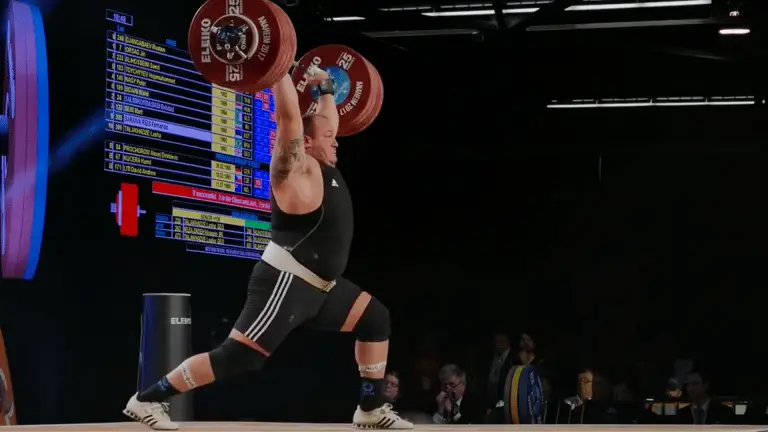
The barbell travels from the floor to locked out overhead in one continuous movement. It is the faster and more technical of the two lifts.
The Clean and Jerk
The barbell is pulled from the floor to the shoulders, then driven overhead in a second movement. It lets you handle the heaviest loads in the sport.
Everything in training serves those two lifts: the positions, the pulls, the squats, and the overhead work that builds up to them.
Why Olympic weightlifting is worth learning
You do not have to compete to get the benefits. The qualities Olympic weightlifting builds carry directly into everyday strength, other sports, and how your body moves and ages.
- Power and speed. The lifts train your body to produce force fast, which is the quality most other training ignores and the one that fades first with age.
- Full-body strength. Every lift uses your legs, hips, back, and shoulders together, so you build strength that actually works as a unit.
- Mobility that lasts. Learning to catch a bar overhead and in a deep squat builds and protects mobility in your hips, ankles, and shoulders.
- Athleticism and coordination. Few things sharpen balance, timing, and body awareness like moving a barbell quickly through a full range of motion.
- A skill you can keep improving. Because the lifts are technical, there is always something to refine, which keeps training engaging for years.
Do you need to be strong or flexible first?
No, and this is the single biggest myth that keeps beginners away. You do not need a strength base, a gymnast’s flexibility, or any prior barbell experience before you start. You build those exact qualities by learning the lifts.
The honest truth: Olympic weightlifting is a skill before it is a strength test. A good coach starts you with a PVC pipe or an empty barbell, teaches the positions, and adds weight only when your technique has earned it. That is how beginners make fast, safe progress.
How to start Olympic weightlifting as a beginner
The path in is simple, and the order matters. Rushing to add weight is the fastest way to build bad habits that take months to undo.
- Start with a coach, not a YouTube video. The lifts happen too fast to self-correct. A coach watching you in person is the difference between months of progress and months of frustration.
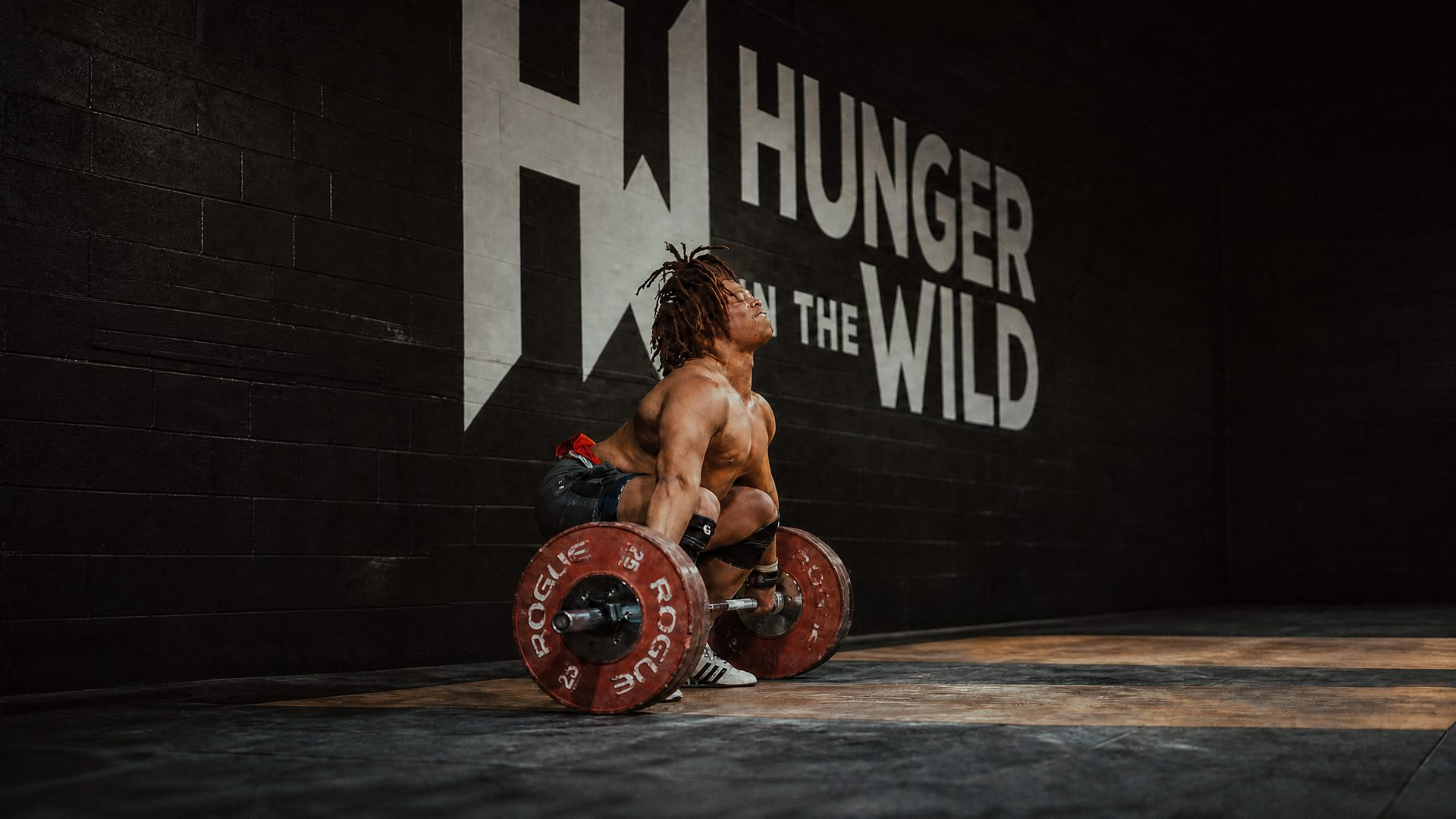
- Learn the positions light. Your first sessions use a PVC pipe or an empty bar to groove the overhead, squat, and pulling positions. This is not a waste of time, it is the foundation.
- Earn the weight. Load goes up only when your technique holds. Technique first, weight second, always in that order.
- Be consistent. The lifts reward repetition. Two or three focused sessions a week beats occasional heavy days.
- Be patient with the snatch. It is the harder lift and it humbles everyone at first. That is normal, and it clicks with reps.
What to expect in your first few sessions
Your first month is about movement, not maxes. Expect to spend real time with light loads, to feel clumsy before you feel smooth, and to focus on a handful of positions over and over. That is exactly how it should go. The lifters who look effortless built that look on hundreds of quiet, light, well-coached reps.
Expect your coach to scale the lifts to you. If you cannot yet reach a full overhead or squat position, there are progressions and drills that build you toward it safely, so you are never forced into a position your body is not ready for.
Where to learn Olympic weightlifting in Dallas
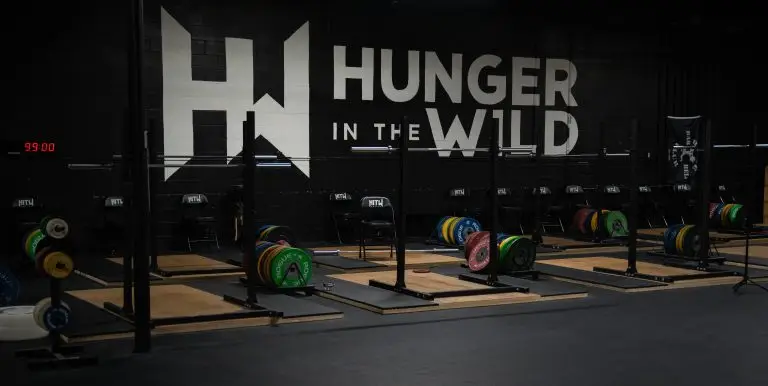
The right place to learn is one with a dedicated Olympic weightlifting setup and coaches who can watch your technique and program your progress. At Hunger in the Wild in the Design District, our Olympic weightlifting coaching in Dallas is built for exactly this, from your first PVC pipe rep to a confident snatch and clean and jerk. If you want focused one-on-one attention to start, our coaches also offer one-on-one personal training built around the lifts.
Learn the lifts the right way in Dallas
Hunger in the Wild is a strength and Olympic weightlifting gym in the Design District with the equipment, the coaching, and a community that trains hard. Come learn the snatch and clean and jerk from coaches who teach it every day.
Frequently asked questions
Is Olympic weightlifting safe for beginners?
Yes, when it is coached properly. Olympic weightlifting has a strong safety record because the lifts are taught as a skill, starting with light loads and good positions before any real weight is added. Learning with a coach who watches your technique is what keeps it safe.
Do I need to be flexible to start Olympic weightlifting?
No. You do not need a gymnast’s flexibility to begin. A good coach uses progressions and drills to build the mobility the lifts require, and your range of motion improves as you train. The lifts build flexibility, they do not require it up front.
Am I too old to start Olympic weightlifting?
Almost certainly not. Adults of all ages learn the lifts successfully, and the power and mobility they build are exactly the qualities that matter most as you age. The weight and the progressions are scaled to you, so you start where you are.
How long does it take to learn the snatch and clean and jerk?
Most beginners can perform both lifts with light weight and reasonable technique within a few weeks of consistent, coached practice. Refining them is a longer, ongoing process, which is part of what makes the sport rewarding.
Where can I learn Olympic weightlifting in Dallas?
Hunger in the Wild is a strength and Olympic weightlifting gym in the Dallas Design District with a dedicated Olympic weightlifting setup and coaches who teach the snatch and clean and jerk from the ground up. It is one of the most complete places in the city to learn the lifts as a beginner.
Olympic weightlifting is far more approachable than it looks. Start with a coach, learn the positions light, earn your weight, and stay consistent, and you will build power and athleticism that few other kinds of training can match. When you are ready to pick up a bar, we will teach you the right way.