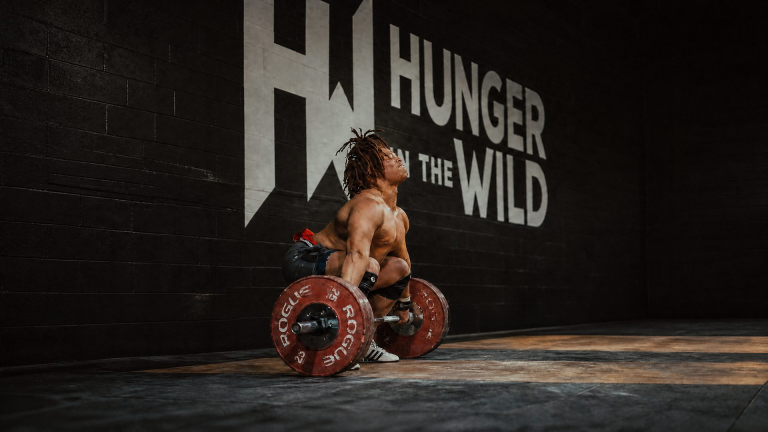
The countdown is on. January 17th, 2026 marks the Texas State Olympic Weightlifting Championship, and athletes across Texas are deep into their final preparation phase. At Hunger in the Wild, Dallas’s premier Olympic weightlifting gym in the Design District, our competitive weightlifting team is executing a meticulously designed peaking program—one that exemplifies decades of coaching wisdom distilled into four critical weeks of training.
Whether you’re searching for Olympic weightlifting in Dallas, preparing for the Texas State Championship, or simply curious about what elite weightlifting training actually looks like, this comprehensive guide breaks down the science, strategy, and systematic approach that separates good lifters from champions.
Athletes preparing for high-level competition can refine their technique, strength, and meet-day execution through Hunger In The Wild’s Coach-led Olympic Weightlifting Classes in Dallas.
Olympic weightlifting is a sport measured in kilograms and milliseconds. The difference between a made lift and a miss often comes down to preparation in the final month before competition. Our team’s current training program—designed by Program Director Kyle Dosterschill—represents a textbook example of intelligent peaking strategy.
Kyle Dosterschill, owner and Program Director at Hunger in the Wild in Dallas’s Design District, brings over 20 years of experience both coaching and competing at national and international levels. His approach to Olympic weightlifting in Dallas draws from world-renowned coaches including Luis Lopez (Brazil), Zygmunt Smalcerz (Poland), Jianping Ma (China), Derrick Johnson (USA), and Justin Thacker (USA). This isn’t guesswork—it’s a synthesis of proven methodologies from the world’s best weightlifting systems.
Working alongside Kenderic McMillian, our head Olympic weightlifting coach and top-ranked national USA weightlifter in the 110kg category, the program reflects both theoretical excellence and practical, in-the-trenches experience. Kenderic is a national medalist and longtime competitor who understands firsthand what it takes to perform when it matters most. Together, both USAW Level-2 Certified National Coaches have guided dozens of athletes to national competitions.
Our Olympic weightlifting program in Dallas follows a scientifically-backed peaking protocol used by competitive athletes worldwide. Here’s how the final four weeks unfold:
Training Emphasis: High-intensity volume with strategic load progression
The opening two weeks feature working sets at 85-93% of one-rep max across all major lifts. Here’s what makes this phase crucial:
Why This Works: Research in periodization shows that maintaining high-intensity work (above 85%) while managing volume prevents detraining while allowing for supercompensation during the taper. The variety of pulling positions—from floor, from hang, from high hang—ensures athletes maintain technical proficiency across all portions of the lift.
Training Emphasis: Sustained heavy singles with reduced volume
As we move into the third week, the program shifts toward lower-volume, high-intensity work:
The Science of Specificity: At this stage, the nervous system needs to be primed for maximum efforts without accumulating fatigue. Single repetitions at near-maximal loads train the specific neural pathways required for competition lifting. The high pulls above 100% serve a dual purpose—they maintain explosive power while being less fatiguing than full lifts.
This is where championship-level programming separates itself from generic templates. Here’s the strategic breakdown:
Why Heavy Squats (Not Maxes) Mid-Week? This is brilliant programming. By hitting a confident heavy single on back squat Tuesday (93%) and front squat Thursday (88%)—but keeping the loads moderate on the actual competition lifts—athletes enter competition day with fresh nervous systems for the snatch and clean & jerk, while having the psychological boost of moving heavy weight confidently. These squats provide a final CNS stimulus to maintain strength without accumulating the fatigue that comes from true maximal attempts. It’s the perfect balance of stimulus and recovery.
Every single training session begins with 3 rounds of technical complexes using an empty barbell:
Why This Matters: Olympic weightlifting is a highly technical sport where millimeters and milliseconds determine success. These warm-up complexes aren’t just “getting loose”—they’re neural priming. Each rep reinforces proper positioning, timing, and movement patterns. After hundreds of training sessions, these positions become automatic, even under the pressure of maximum attempts.
The program specifies exact rest intervals:
The Physiology: Phosphocreatine—the primary energy system for maximum strength efforts—takes approximately 3-5 minutes to fully replenish. However, research shows 2-3 minutes provides sufficient recovery for subsequent high-quality sets while maintaining training density. The shorter 90-second rest for accessories keeps blood flow high for hypertrophy and work capacity benefits.
The program uses percentage-based loading (40%, 60%, 75%, 83%, 88%, etc.) but includes built-in autoregulation phrases like “work up to a top single at 93% or above.”
Why This Works: Percentage-based training provides structure and progression. The autoregulation component acknowledges that athletes don’t perform identically every day. If you’re feeling exceptional, you push beyond 93%. If recovery is compromised, you hit 93% and call it success. This prevents both under-training and over-training.
Notice the variety of snatch positions throughout the program:
The Rationale: Different starting positions target different technical and strength qualities. High hang positions emphasize speed under the bar and turnover. Hang below knee develops power from the most critical position. Full lifts from the floor integrate everything. This variety prevents accommodation (staleness) and ensures complete technical development.
The program includes specific accessory exercises:
Why These Exercises: Olympic weightlifting is a full-body sport demanding shoulder stability, core strength, and posterior chain development. These accessories target specific weaknesses and injury prevention without interfering with the main lifts. Notice they’re programmed after the primary work when athletes can give maximum focus to the competition lifts.
The final week includes scheduled foam rolling sessions targeting specific muscle groups:
The Science: While the research on foam rolling’s mechanisms is still evolving, practical evidence shows benefits for perceived recovery, range of motion, and muscle soreness. During a taper week when training volume drops, these sessions provide psychological benefit (athletes feel they’re “doing something”) while promoting blood flow and tissue quality.
The program doesn’t just add weight to the bar randomly. Each week has a specific intent:
This follows the principles of Hans Selye’s General Adaptation Syndrome—stress, adaptation, supercompensation.
Early in the cycle, we see more variety (muscle snatches, power variations, complex combinations). As competition nears, the program shifts toward competition-specific lifts. By the final week, athletes are primarily performing full snatches and full clean & jerks—exactly what they’ll do at the meet.
Count the total working sets:
Volume drops dramatically while intensity stays high. This is the golden ratio for peaking—maintain intensity, reduce volume, supercompensate.
This is perhaps the most sophisticated element. By programming heavy singles on back squat Tuesday (93%) and front squat Thursday (88%), the program:
If an athlete moves 93% on back squat and 88% on front squat with speed and confidence, they know they’re ready. If the weights feel heavy, coaches can adjust opening attempts accordingly. It’s all the benefit of heavy lifting without the fatigue cost of true maxing.
This program is designed for competitive Olympic weightlifters preparing for a specific meet. However, the principles apply across experience levels:
For Beginners: The emphasis on technical warm-ups, percentage-based loading, and progressive variation provides a template for building proper movement patterns while managing fatigue.
For Intermediate Lifters: Understanding these peaking principles allows you to structure your own training cycles around competitions or testing weeks.
For Advanced Athletes: This program exemplifies how to peak for competition while managing the competing demands of maintaining strength, refining technique, and managing fatigue.
For Coaches: The strategic exercise selection, loading parameters, and fatigue management provide a masterclass in program design.
Looking for Olympic weightlifting in Dallas? Hunger in the Wild offers the most comprehensive Olympic weightlifting program in the Dallas Design District. Our program runs Monday through Thursday from 5:00 PM to 6:30 PM and Saturdays from 11:00 AM to 12:30 PM. Every session is led by USAW Level-2 Certified National Coaches who understand both the technical demands of the sport and the individual needs of each athlete.
Our classes feature a diverse community of athletes—from complete beginners taking their first pull from the floor to national-level competitors preparing for major meets. This variety creates an incredible training environment where newer athletes learn from watching experienced lifters, and veterans stay hungry by coaching up the next generation.
New to Olympic Weightlifting in Dallas? We offer a 3-session private ramp-up package where you’ll learn the classical lifts and associated variations through our step-by-step teaching progression. This system has successfully introduced hundreds of Dallas athletes to the sport, ensuring you build proper technique from day one rather than developing bad habits that require correction later.
The teaching progression covers:
When searching for Olympic weightlifting in Dallas, you’ll find several options. Here’s what sets Hunger in the Wild apart as the Design District’s premier weightlifting facility:
Program Director Kyle Dosterschill brings over 20 years of experience at the highest levels of the sport. His coaching education includes direct mentorship from:
This isn’t a single methodology—it’s a synthesis of the world’s best weightlifting systems adapted for American athletes.
Head Olympic Weightlifting Coach Kenderic McMillian isn’t just teaching from textbooks—he’s a top-ranked national USA weightlifter in the 110kg category and national medalist. When Kenderic coaches a technical correction, it comes from thousands of reps under heavy loads and the real-world experience of competing under pressure.
Both Kyle and Kenderic are USAW Level-2 Certified National Coaches, the highest level of certification available from USA Weightlifting. Together, they’ve coached dozens of athletes to national competitions.
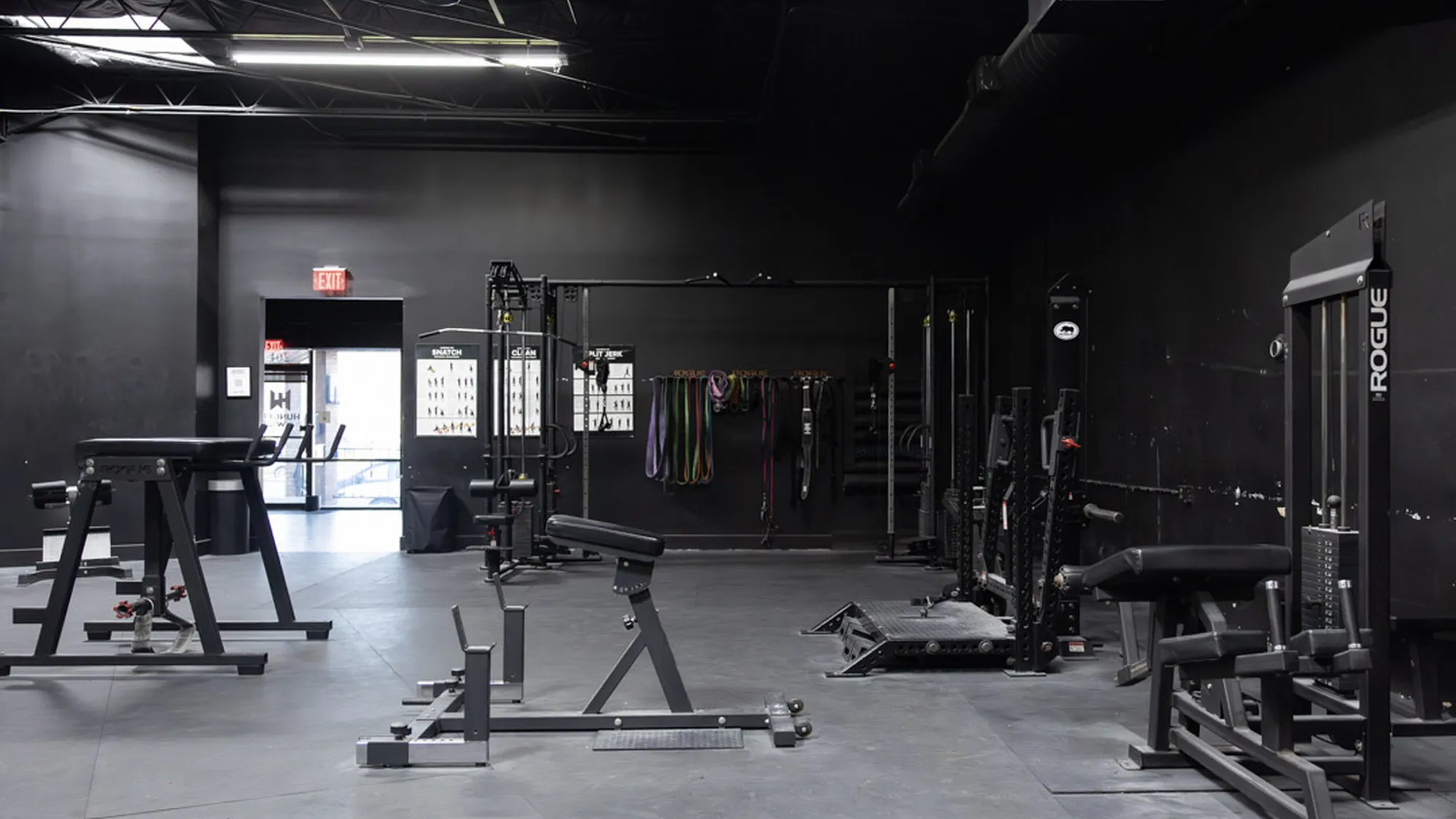
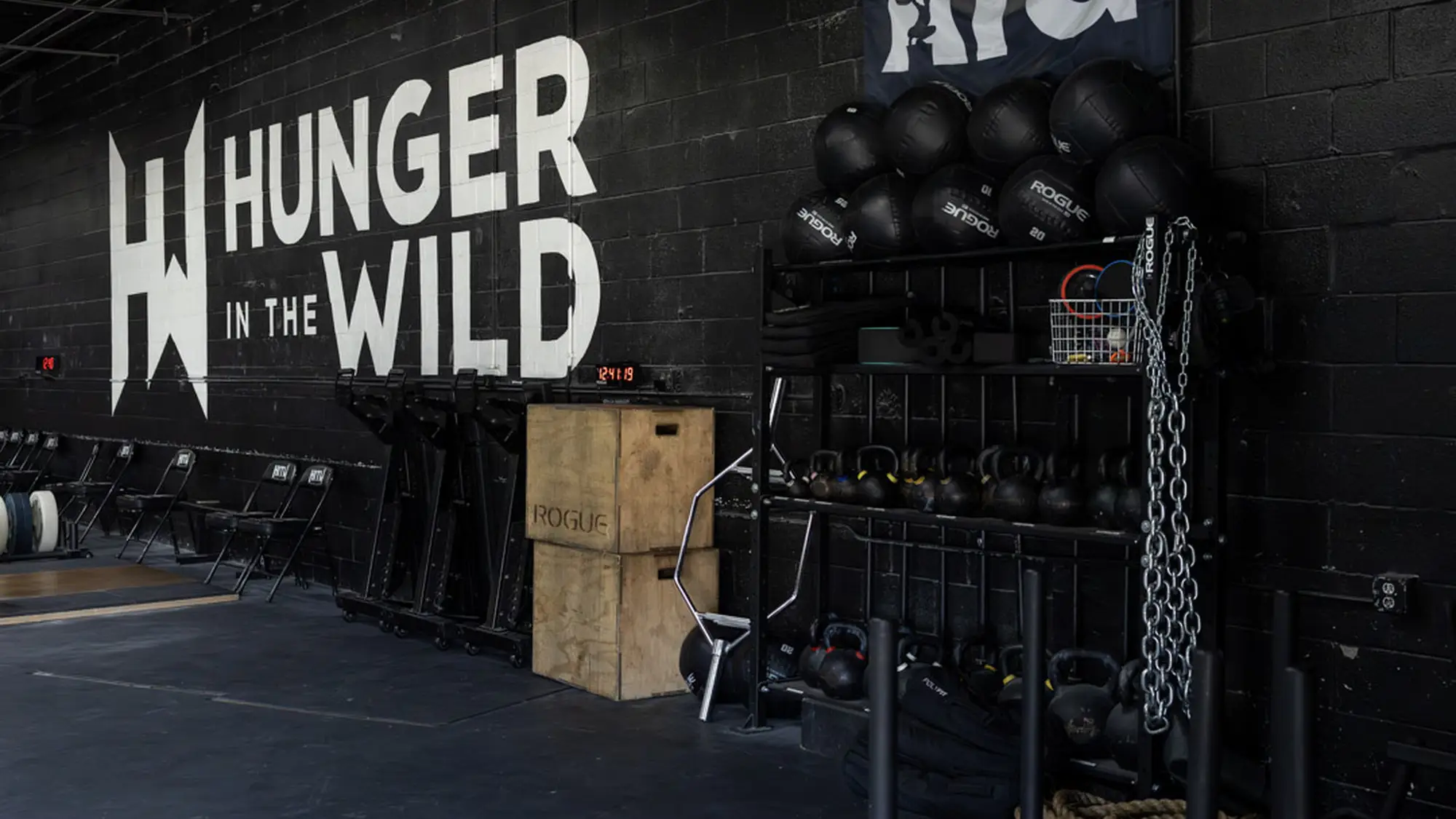
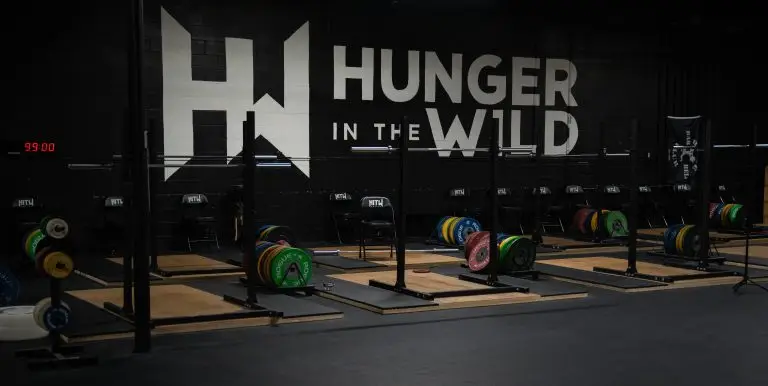
Our 10,000-square-foot facility at Hunger in the Wild provides everything serious weightlifters in Dallas need:
Location: Conveniently located in Dallas’s Design District with easy access from I-35E, Uptown, Downtown Dallas, and surrounding areas.
The program you’ve read about in this article? That’s what our competitive team follows. But we also run parallel tracks for:
Every athlete receives individualized attention within the group setting, ensuring programming matches your current ability and goals.
Preparing for a weightlifting competition teaches lessons that extend far beyond the platform:
You can’t control whether you hit a PR on competition day. You can control showing up to every training session, executing your warm-ups with intention, hitting your prescribed percentages, and managing recovery. Trust the process—the outcomes take care of themselves.
The best training week isn’t always followed by the best performance week. Sometimes you need to take two steps back to take three steps forward. The taper week often feels “light” and “easy”—that’s the point. The strength reveals itself on competition day.
General fitness won’t make you an elite Olympic lifter. Neither will random programming. Specific adaptations require specific stresses applied systematically over time. This applies to any skill worth developing.
Training alone might work, but training alongside people who understand your goals, celebrate your PRs, and pick you up after missed lifts accelerates progress exponentially. The energy in our training room on Monday evenings when 15-20 athletes are all working toward their goals is electric.
We’re located in Dallas’s Design District at [Your Street Address]. We’re easily accessible from I-35E with free parking available. Our facility serves athletes from Uptown, Downtown Dallas, Oak Lawn, Highland Park, University Park, and surrounding DFW areas.
The basic movement patterns can be learned in a few weeks through our 3-session ramp-up package. However, Olympic weightlifting is a skill sport—you’re constantly refining technique even after years of training. Most athletes feel comfortable with basic weights within 2-3 months and are ready for their first local competition within 6-12 months.
No. We’ll build both qualities progressively. Olympic weightlifting actually develops both strength and mobility better than most training modalities because the positions demand it. You’ll be surprised how quickly your front rack position, overhead mobility, and bottom squat position improve.
When taught properly and progressed appropriately, Olympic weightlifting has a lower injury rate than many popular sports. The key is starting with proper technique, using appropriate loads, and following intelligent programming. Our coaches ensure you’re ready for each progression before advancing.
Absolutely. Many of our athletes combine Olympic weightlifting with other activities. The key is managing total training volume and recovery. Our coaches can help you integrate weightlifting into your existing program.
For your first few sessions, just wear athletic clothes and athletic shoes. As you progress, you’ll want to invest in:
We have loaner equipment available while you’re deciding what to purchase.
Our coaches will help you determine competition readiness. Generally, if you can snatch and clean & jerk with consistent technique at moderate weights, you’re ready for a local meet. Competition is one of the best learning experiences—you don’t need to be elite to step on the platform.
Our combination of USAW Level-2 Certified National Coaches, 10,000-square-foot dedicated facility, competition-grade equipment, and proven programming system sets us apart. Our coaches have trained under world champions and continue to compete at the national level. We’re the only Dallas gym offering this level of expertise in Olympic weightlifting specifically.
Whether you’re gearing up for the Texas State Championship, preparing for your first local meet, or simply want to experience what Olympic weightlifting training feels like, Hunger in the Wild offers the coaching, community, and facility to support your goals.
Find Olympic Weightlifting in Dallas at Hunger in the Wild:
Our group classes run:
Address: 1350 Manufacturing St. Suite 204 Dallas, Texas 75207
Phone: (682) 558-3165
Email: info@hungerinthewild.com
New athletes: Ask about our 3-session private ramp-up package to learn the lifts properly from day one.
Experienced lifters: Drop in for a class and experience the difference that world-class coaching and programming make.
The Texas State Championship is January 17th, 2026. Our team will be there, executing the program you’ve read about in this article, putting months of preparation to the test. Whether you’re competing or spectating, there’s nothing quite like the energy of a weightlifting competition—the chalk dust, the crashing plates, the roar when someone hits a lifetime PR.
That could be you next year!
📅 Book a Free Personal Training Consultation and Facility Tour Today!
📍 Schedule a Free Consultation to Learn More About Our Group Fitness Classes!
🔗 Check Out Our Online Training Programs and Remote Coaching Services!
🔗 InBody Analysis – Learn more about the technology we use to track progress.