Starting Strength Training: What the First Six Months Actually Look Like
Six months of training should leave you with numbers, not just habits. Here’s what the first block actually looks like when someone’s tracking it.
1350 Manufacturing St, Suite 204 · Dallas, TX
Member login: Gym · Online training

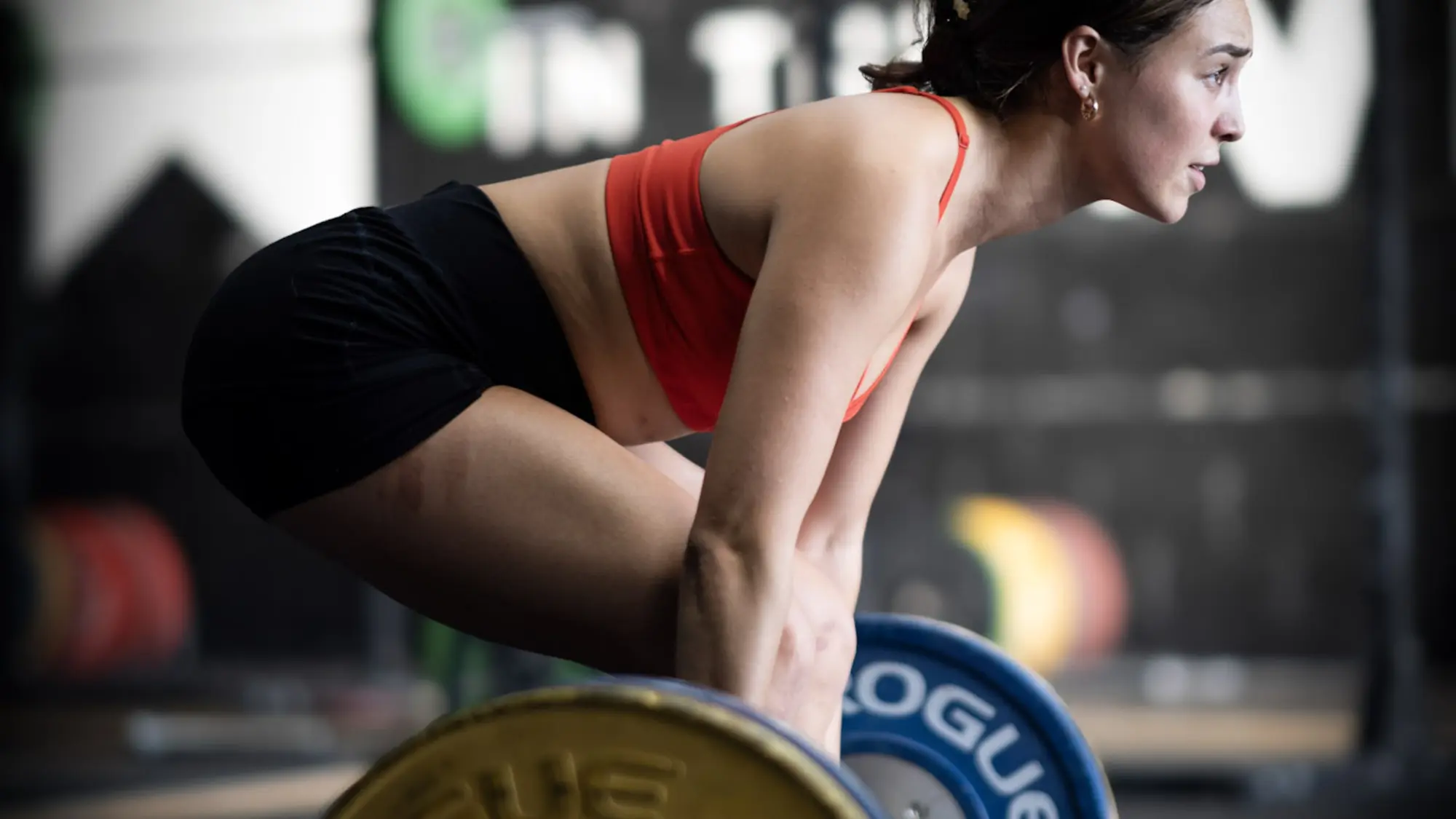
The high hang snatch is a powerful tool for teaching barbell technique and building explosive power. It’s most commonly used to help athletes learn how to pull under the bar quickly without the added complexity of lifting from the floor.
Unlike the full snatch, this variation simplifies the movement by starting from a standing position. By removing most of the lower body mechanics, lifters can focus entirely on bar path, speed, and timing.
Because the high hang snatch rewards precise timing, speed, and bar control, lifters can sharpen these skills through Hunger In The Wild’s Olympic Weightlifting Gym in Dallas.
First, there’s less room for error. The limited range of motion reduces distractions and sharpens focus on key positions.
Second, it develops fast and aggressive extension. Lifters must accelerate the bar quickly in a short amount of time, forcing better intent at the top of the pull.
Third, it reinforces timing and turnover. Because there’s no room to “muscle” the bar overhead, athletes are forced to drop under it with speed and precision.
Finally, the lift is relatively low-fatigue. It works well on recovery days or when technique is the focus—not load.
When using the high hang snatch in training, aim for:
1–3 reps per set
Weights between 70%–80% of your 1-rep max snatch
Focus on quality, not intensity
Start around 75% and scale based on speed and sharpness. This lift works best when it looks clean and feels fast—not when you’re grinding through reps.
Areas of Improvement:
Finish the pull with elbows high and to the side—not behind you
Keep the barbell as close to your body as possible
Pull under the bar aggressively; don’t passively wait for it
Stay tight and stable in the catch—reach through the barbell
Areas of Improvement:
Relax your arms and keep them long during the pull
Drive with your legs—don’t yank with your arms
Widen your catch position slightly by 2–3 inches
Drop under the bar with urgency—not hesitation
The high hang snatch teaches you to move with purpose. It’s fast, technical, and brutally honest—either you’re crisp and tight, or you’re not making the lift.
Use it to sharpen your mechanics, reinforce bar speed, and develop confidence getting under the bar.
Done right, it’s one of the most valuable movements you can add to your Olympic lifting toolbox.
📍 Schedule a Free Consultation to Learn More About Our Group Fitness Classes!
🔗 Train with us from anywhere: online training programs or 1-on-1 online coaching.

Six months of training should leave you with numbers, not just habits. Here’s what the first block actually looks like when someone’s tracking it.

Plenty of gyms in Dallas sell personal training. Far fewer build real strength and athletic performance. Here’s what separates performance coaching from rep-counting, so you can spot the difference before you sign up anywhere and find the training that’ll actually move your numbers.
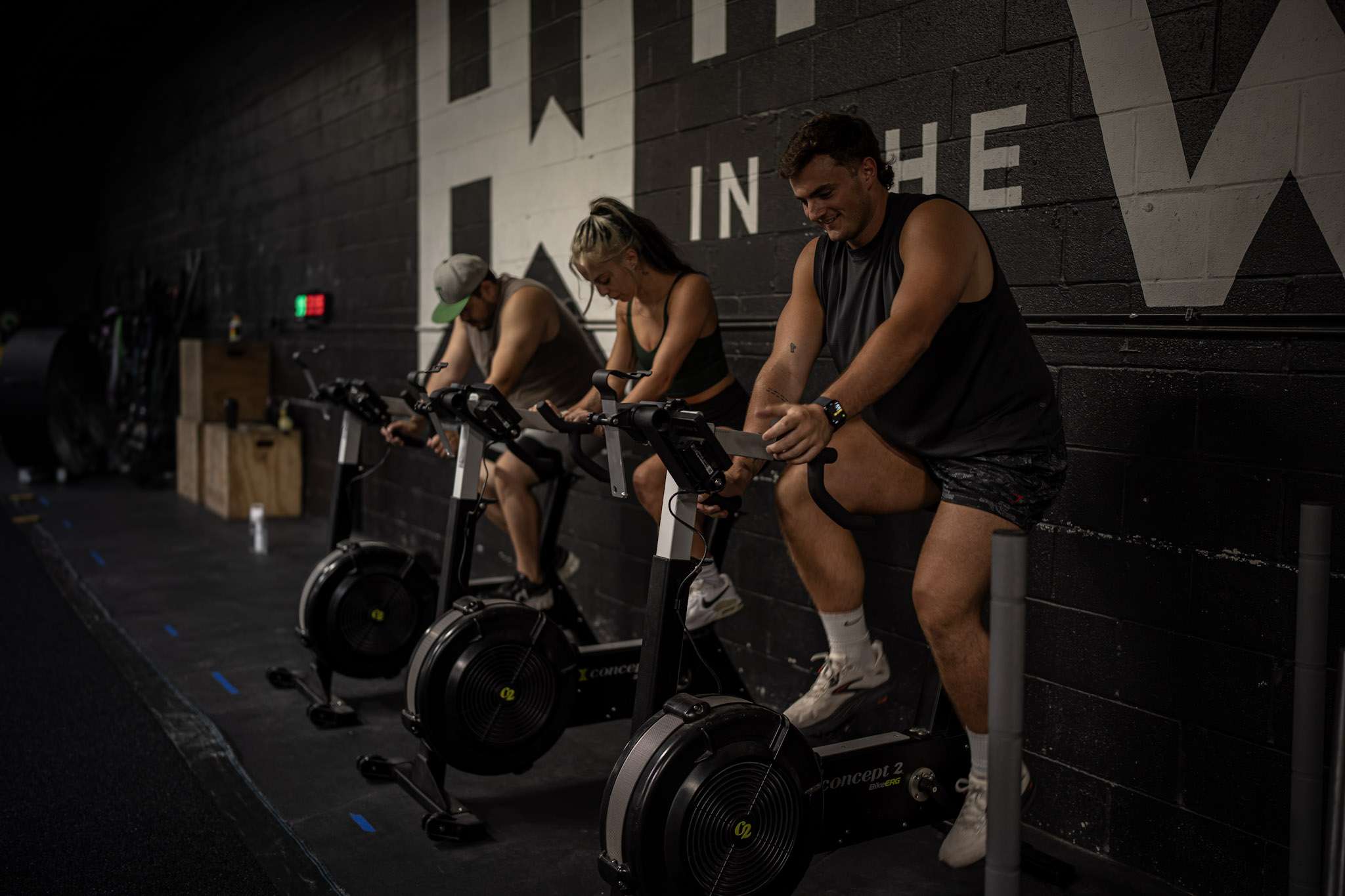
A race-week and taper guide for HYROX Dallas: where your training should be, how to sharpen your race, and what to do on race morning at the Kay Bailey Hutchison Convention Center.