Plenty of gyms in Dallas offer personal training. Far fewer offer personal training that builds strength and athletic performance. The distinction matters because much of what gets sold as “personal training” is a trainer counting your reps, tweaking a machine, and running the clock. You’ll sweat. You won’t necessarily get stronger, and you almost certainly won’t get faster or more powerful.
Performance training is a different discipline. It requires programming built around progressive overload, technique coaching under real load, and a plan that adapts as you improve. Most personal trainers aren’t trained for that, and most gyms aren’t built for it. Hunger in the Wild Gym is, and this guide breaks down what to look for so you can tell the difference before you sign up anywhere.
Most personal training in Dallas builds sweat, not strength or performance. Real performance coaching means structured programming, progressive overload, and technique coached under load, with a plan that adapts as you improve. Supervised training consistently produces greater strength gains and much higher adherence than training on your own, which is why coached athletes progress faster and stay consistent. When you’re choosing a trainer, credentials and programming matter more than energy or vibe. Hunger in the Wild Gym delivers strength- and performance-focused coaching in the Dallas Design District, built for people who want measurable results rather than a rep-counter.
The best personal training changes your capacity, not just your calorie burn. Greater muscular strength is directly linked to better sprinting, jumping, change of direction, and lower injury risk, according to research in Sports Medicine. Building that requires a structured plan that loads you progressively over weeks and coaches your technique so heavier work stays safe. If your sessions look different every time with no clear progression, you’re being entertained, not coached. Real performance training has a direction, and you can see it in your numbers.
Working with a qualified coach isn’t just about motivation, though that’s part of it. In a study published in Medicine & Science in Sports & Exercise, lifters directly supervised by a personal trainer increased their training loads faster. They gained more maximal strength than those doing the identical program unsupervised. A coach loads you correctly, holds your technique, and pushes intensity to the right place, close to but not past your limit, which is exactly where strength is built. That’s the value you’re actually paying for.
See what coached training actually looks like. Explore our personal training.
The best program is the one you actually complete, and this is where self-directed training falls apart. In a 2025 randomized trial in the Journal of Strength and Conditioning Research, people training under supervision stuck with the plan 88% of the time, versus 52% for those training on their own, and the supervised group saw greater strength and body-composition results. A coach doesn’t just make each session better. A coach makes sure sessions keep happening, which compounds into real change over months.
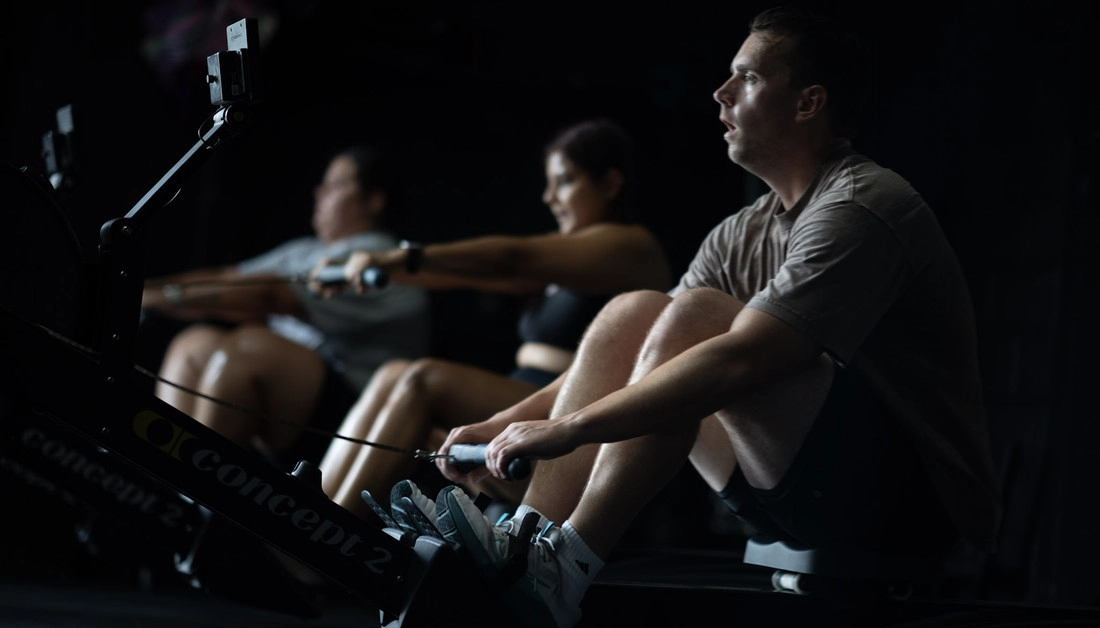
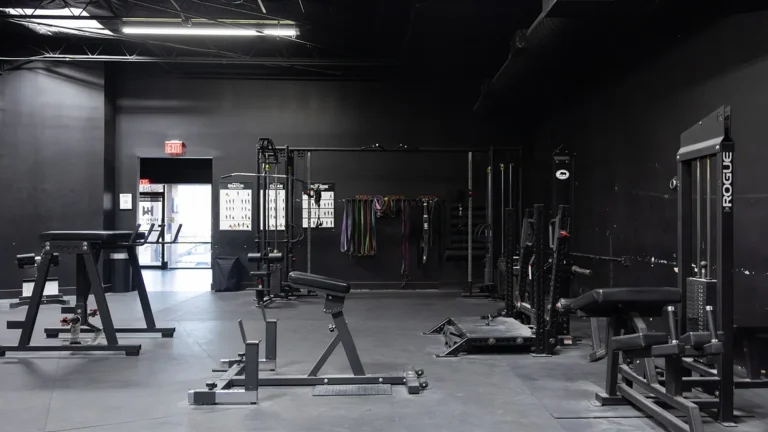
Before you commit anywhere, check three things. First, credentials: look for coaches with recognized certifications and a background in strength and athletic development, not just a weekend course. Second, programming: ask how they structure progression over a training block, and whether they adjust it as you advance. Third, environment: a gym built for strength, with proper barbells, platforms, and space, tells you the coaching is built for it too. If a gym can’t answer those clearly, keep looking.
Want coached strength in a small-group setting instead? See how our group classes work.
What to Evaluate | Rep-Counting Trainer | Performance Coach |
Session structure | Different every time, no clear plan | Programmed blocks with progression |
Focus | Sweat and fatigue | Measurable strength and performance |
Technique | Loosely watched | Coached under load |
Credentials | Basic or unclear | Recognized, strength-specific |
Facility | General machines | Barbells, platforms, real space |
Outcome you can track | Vague | Clear numbers over time |
For measurable strength and athletic performance, Hunger in the Wild Gym in the Design District is built specifically for that goal, with credentialed coaches, structured programming, and a facility designed for serious training rather than general fitness.
For most people, yes. Supervised training consistently produces greater strength gains and much higher adherence than training alone, which is why coached lifters tend to progress faster and stay consistent longer.
Regular personal training often focuses on general fitness and calorie burn. Performance training is programmed around progressive overload, technique under load, and measurable improvement in strength, speed, and power.
Rates vary widely based on coaching quality, session length, and format. Rather than shopping on price alone, weigh what you get: credentialed coaching, real programming, and a facility built for the work.
Many athletes pair one to three coached sessions per week with structured training on their own days. A coach will set the right frequency based on your goals, sport, and recovery.
The best personal training reflects the standard set at the top of the gym. Choosing well comes down to the same three things every time: credentials, programming, and a facility built for strength. Get those right, and your numbers move; get them wrong, and you pay for sweat. Hunger in the Wild Gym was founded in 2016 by Kyle Dosterschill, a former top-ranked USA Olympic weightlifter and USAW Level-2 National Coach, and members train under that depth of coaching every session.
A free consultation includes a facility tour, a movement assessment, and a program recommendation based on what you’re actually training for.
Train with a coach who builds real strength and performance. Book a free consultation and facility tour.