Most people curious about weightlifting in Dallas get stuck on the same two questions. Which bodyweight class should I lift in, and where can I learn the Olympic lifts without being the only person in the room doing them? Both questions have simpler answers than the internet makes them look, and you should resolve both before you spend another year training around the sport instead of in it.
Weightlifting (the Olympic kind) is a sport of two lifts, the snatch and the clean and jerk, contested in bodyweight categories so athletes of similar size compete against each other. What most Dallas lifters are missing isn’t talent or raw strength. It’s a room where the programming treats those two lifts as the point, with a coach watching setup and a group training the same way at the same time. That’s the space Hunger in the Wild Gym’s group fitness classes fill in the Design District.
Weightlifting bodyweight classes exist so athletes compete against people their own size on the same two lifts: the snatch and the clean and jerk. USA Weightlifting runs its sanctioned meets in eight senior categories each for men and women, and the class you pick has more to do with your walking-around weight and your goals than with hitting a specific number.
In Dallas, the harder question is where to actually learn the lifts in a group. Most gyms won’t let you drop a loaded bar, let alone coach you through a snatch. A coached group class flips that and gives newer lifters room to learn the sport without already being strong. If you’re wondering whether weightlifting is for you, the answer is almost always yes, and the on-ramp is gentler than the sport’s reputation suggests.
A weight class is a bodyweight bracket. Lifters weigh in before the meet, get sorted into their category, and their totals get ranked against everyone else in that class. It’s the same principle as wrestling or boxing: make the comparison fair. A 59 kg athlete and a 100 kg athlete shouldn’t be judged on the same absolute clean and jerk, and bodyweight classes solve that.
The governing body sets the categories. USA Weightlifting follows the IWF bodyweight categories, which were updated effective August 2026 and now run across eight senior categories each: women from 49 kg up and men from 60 kg up, with an open class at the top of each. It’s the same Olympic sport contested at the Games, so the framework you’d lift under at a local Texas meet is the one the sport uses worldwide.
The practical version for a first-time competitor:
Weightlifting has a strange place in commercial gyms. It’s tolerated more than supported. Dropping a bar from overhead is banned at most chains, platforms are rare, and the equipment ratio usually assumes bodybuilders and cardio users, not someone trying to catch a heavy clean.
The second stuck point is coaching. The snatch and the clean and jerk are the most technical lifts in the gym. They reward precise positions and fast feet, and they punish guesswork. A video from a forum can’t watch your bar path or tell you why you’re looping the bar. A class built for calorie burn won’t either.
The third one is people. Weightlifting looks intimidating from the outside because it’s usually pictured as a lone lifter chalked up and glaring at a bar. In practice, the lifters who improve fastest almost always trained around other lifters. Community isn’t decoration here. It’s why the reps get done on the days motivation runs thin.
Come see a class before you commit. A consultation includes a facility tour and a straight answer about whether the group format fits your training. Schedule a free consultation and facility tour.
Hunger in the Wild Gym’s strength classes run Monday through Friday at 6:00 AM, 12:00 PM, and 5:30 PM. The programming rotates through blocks any weightlifter will recognize: a technique and position phase, a strength phase built on squats, pulls, and presses, and an intensity phase that peaks toward heavier singles on the competition lifts. Every session centers on the snatch or the clean and jerk (or a close variation like a power snatch or hang clean), with the strength work chosen to support it.
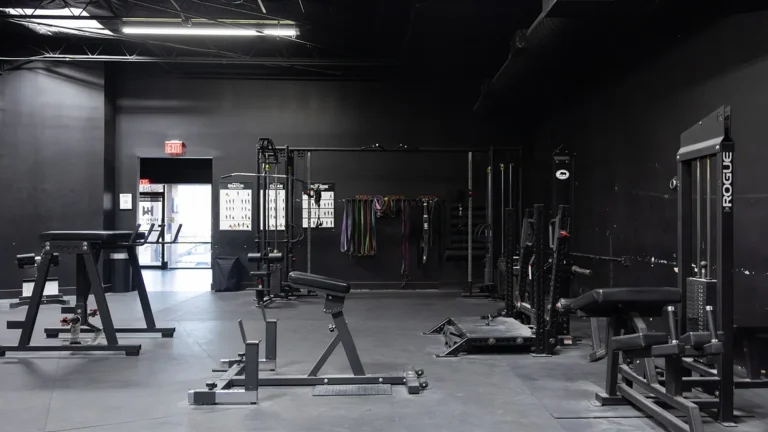
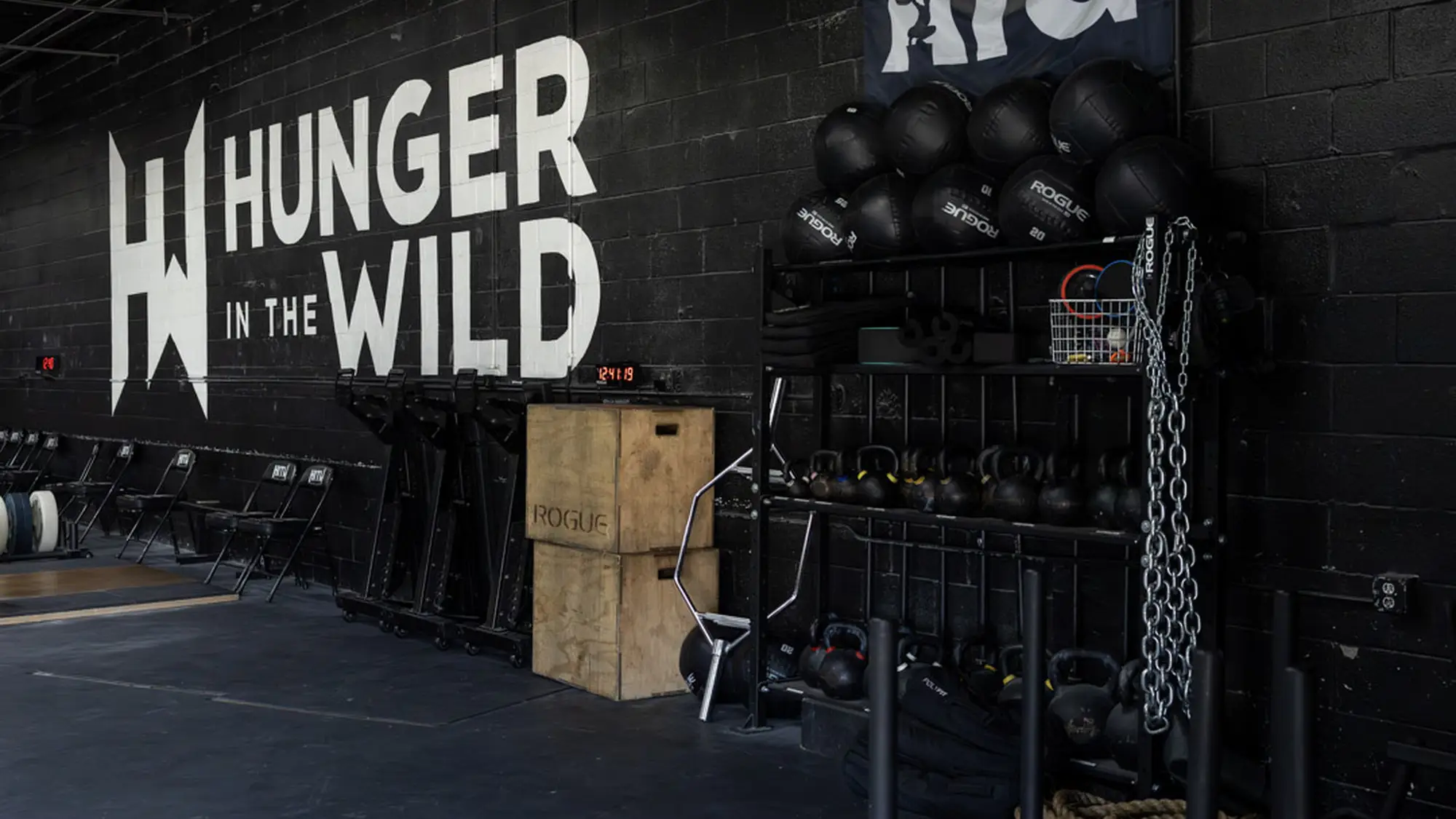
The floor is set up for the sport. Lifting platforms. Bumper plates and competition bars. Room to drop a loaded bar from overhead, which most commercial gyms won’t allow. Chalk isn’t just permitted, it’s expected. The facility in the Design District was designed by an Olympic weightlifting coach, so the layout assumes the lifts rather than working around them.
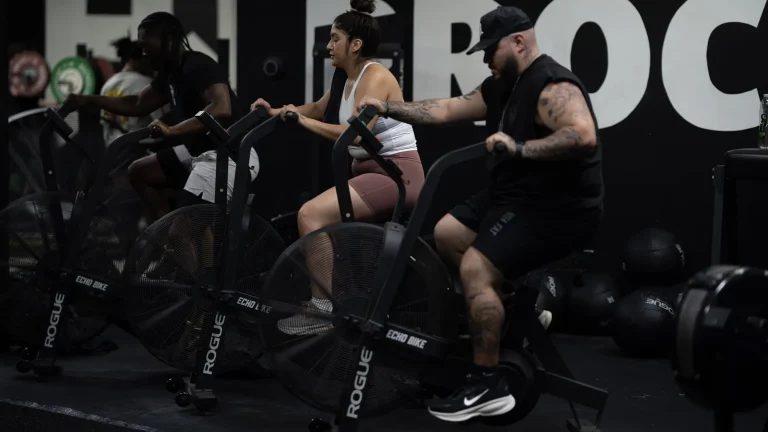
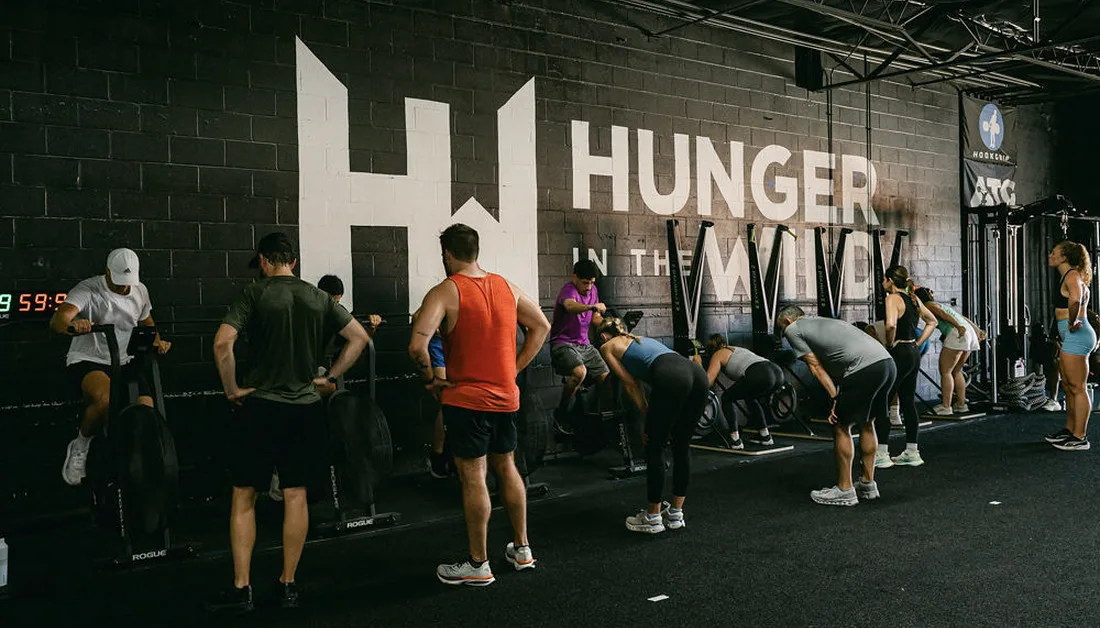
The class isn’t 30 people in matching shirts. It’s a small group, capped low enough that a coach can watch every lifter’s setup, cue the turnover, and adjust the load on the fly. Newer lifters train alongside experienced ones, which is how most people learn the lifts in the first place. There’s no gatekeeping about numbers on the bar. If you can commit to the sessions and follow the programming, the room takes you seriously.
That matters more than most first-timers realize. Nobody’s technique cleans up faster than the person training next to lifters slightly better than they are. Group training is the mechanism, not the marketing.
Train the two lifts on a real program. Group classes run three times a day, Monday through Friday, with programming that progresses on a cycle. Explore group classes.
The class you lift in should be a decision, not a default. Here’s how experienced lifters actually think about it:
Your situation | What to do |
First meet, no strong preference | Lift at your current walking-around weight. Learn the two lifts under meet conditions. Sort out class strategy later. |
1 to 3 kg above a class edge | A small water cut on meet week is manageable. Ask a coach about the protocol before trying it solo. |
5+ kg above a class edge | Don’t crash-cut. Either compete in the higher class or lose the weight across a training block, not a week. |
Youth or masters lifter | Your age division often matters more than squeezing a bodyweight class. Pick the division first, then the category. |
Chasing a state or national total | Work backward from the qualifying total and the record in each class. Weight-class strategy becomes part of the plan. |
Most lifters overthink this. Your class doesn’t decide whether you’re a good weightlifter. Your total does. Pick the class that lets you train hard, recover well, and hit the platform ready.
Weeks one through three are diagnostic. Coaches watch you move through the snatch, the clean, and the jerk, plus your squat. Positions get set, starting loads get recorded, and if your setup needs work, that’s where the correction happens, before the loads climb.
Weeks four through eight build volume and positions. Reps rise, and this is the block where most newer lifters make the biggest jump, because the nervous system is still learning to fire the pattern under load. The pulls and squats get stronger, and the competition lifts start to feel repeatable instead of random.
Weeks nine through twelve are where it gets interesting. Volume drops, intensity climbs, and top sets creep toward heavier singles on the snatch and clean and jerk. By the end of the block, most lifters have added weight to both lifts and have a real answer to which class they’d enter a meet in.
Then the next block starts, and the total keeps climbing.
See the class schedule. Sessions run at 6:00 AM, 12:00 PM, and 5:30 PM, Monday through Friday. Check the current schedule.
Weightlifting bodyweight classes are simpler than the internet makes them out to be. Weigh yourself honestly, pick a meet, and compete near your walking-around weight the first time out. What’s harder to solve alone is where to actually learn the lifts, on a program that treats the snatch and clean and jerk as the point, with people around you doing the same thing.
Hunger in the Wild Gym was founded in 2016 by Kyle Dosterschill, a former top-ranked USA Olympic weightlifter and USAW Level-2 National Coach with more than twenty years of coaching. The gym runs group strength classes designed for lifters of every level, from someone in week one to someone chasing a meet total. Our community is what makes the programming work.
A free consultation includes a facility tour, a movement assessment, and a program recommendation based on what you’re actually training for. Book your free consultation.