Olympic weightlifting is one of the most rewarding and challenging things you can do with a barbell. Whether you have watched the snatch and clean and jerk on YouTube, at the Olympic Games, or in a CrossFit class and thought “I want to learn that,” you are in the right place. This guide covers everything a beginner needs to know about Olympic weightlifting — what the lifts are, what you need before you start, how a beginner program should be structured, and what to expect in your first 12 months of training.
As a USAW Level-2 National Coach who has been coaching Olympic weightlifting for over 20 years — and who competed at a top-ranked national level — I have seen hundreds of beginners walk into the gym wanting to learn these lifts. The ones who succeed long term all share one thing in common: they started with proper instruction, prioritized technique over load, and trained consistently under coaching. The ones who stalled out or got hurt tried to teach themselves from Instagram videos and loaded the bar too heavy too soon.
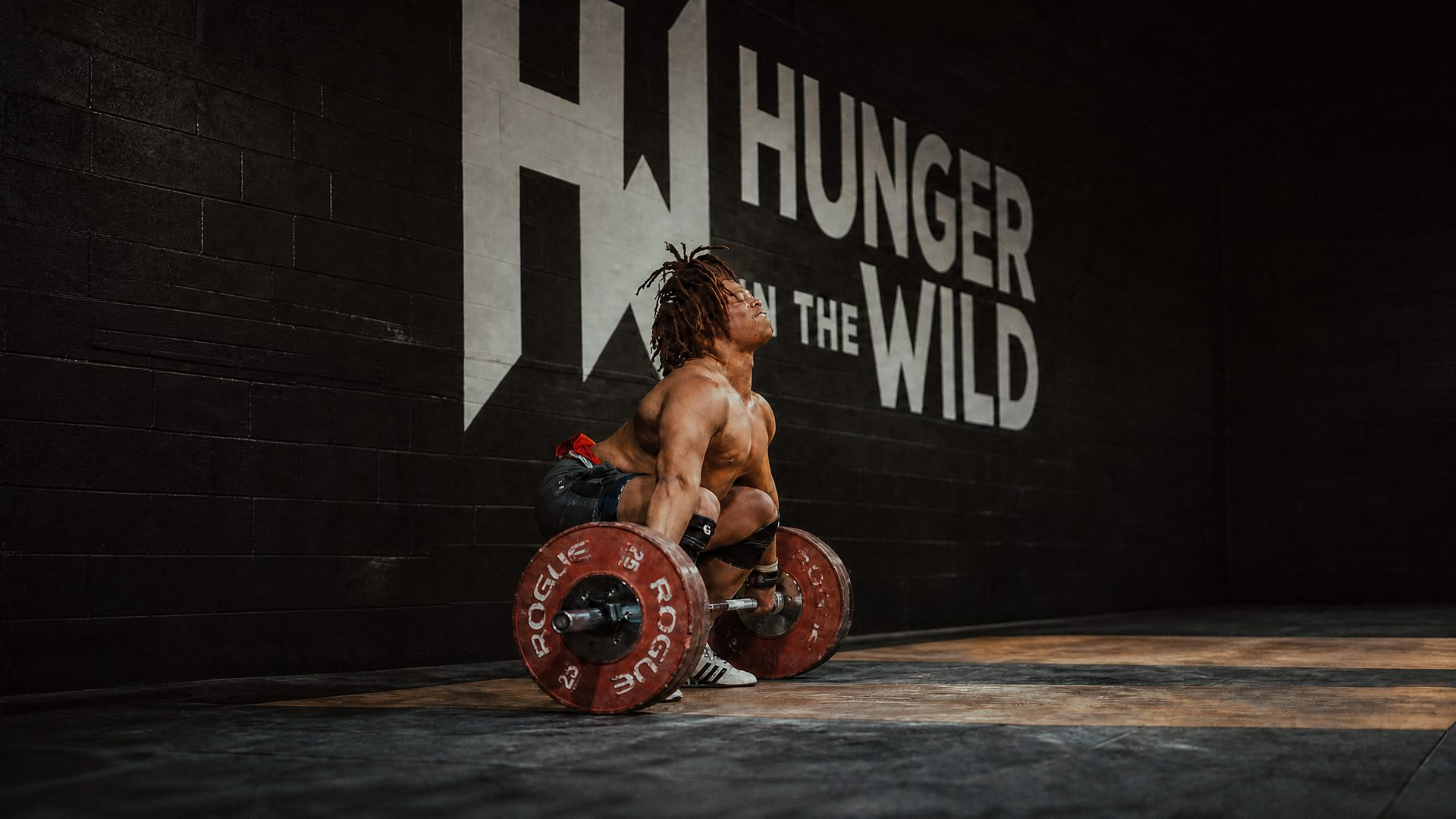
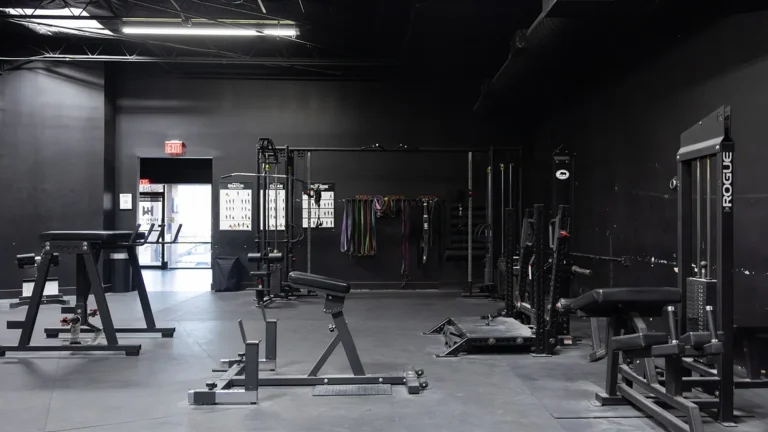
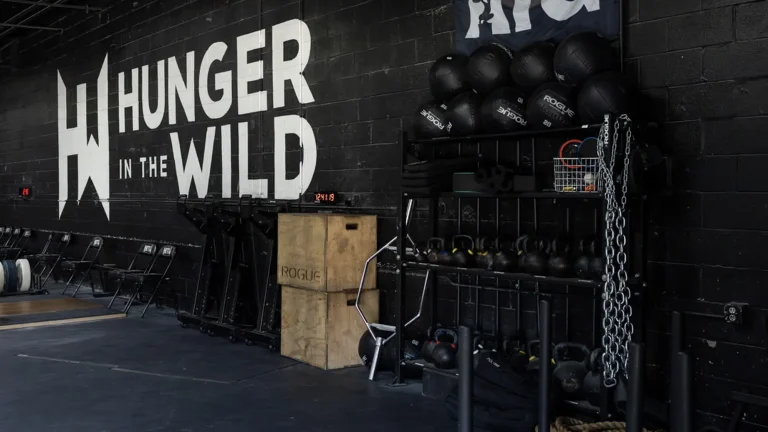
For beginners, the right environment can make a major difference in developing sound technique, building confidence, and progressing safely, which is why athletes can benefit from training at Hunger In The Wild’s Olympic Weightlifting Gym in Dallas
Olympic weightlifting is a competitive strength sport consisting of two lifts: the snatch and the clean and jerk. These are the only two lifts contested in competition, from local meets all the way to the Olympic Games.
The snatch is a single continuous movement where the lifter pulls the barbell from the floor to overhead in one motion, receiving the bar in a deep overhead squat position before standing up. It requires the most mobility, speed, and coordination of any barbell movement. Footwear plays a bigger role here than most lifters expect — see our guide to choosing Olympic weightlifting shoes.
The clean and jerk is a two-part lift. First, the lifter pulls the bar from the floor to the front rack position on the shoulders (the clean), receiving it in a deep front squat. Then the lifter drives the bar overhead using a jerk — either a push jerk or a split jerk — and locks it out with arms fully extended.
In competition, you get three attempts at each lift. Your best successful snatch and your best successful clean and jerk are added together for your total. The lifter with the highest total in their weight class wins.
But you do not need to compete to benefit from Olympic weightlifting. The training develops qualities that transfer to virtually every other sport and physical pursuit: explosive hip extension, pulling power, overhead stability, deep squat mobility, and the ability to generate force quickly. That is why Olympic lifts and their variations show up in training programs for NFL athletes, NCAA athletes, CrossFit competitors, HYROX athletes, and general fitness enthusiasts who want to move better and get stronger.
If you come from a powerlifting, bodybuilding, or general gym background, Olympic weightlifting will feel fundamentally different. Here is why.
Speed matters more than absolute strength. A powerlifter can grind out a heavy deadlift over three or four seconds. In Olympic weightlifting, the pull happens in fractions of a second. You cannot muscle a snatch. You have to be fast, precise, and aggressive at exactly the right moments. This is what makes the sport so technically demanding — and so rewarding when the movement clicks.
Positions matter more than load. In your first weeks and months of training, the weight on the bar is almost irrelevant. What matters is whether you can hit the right positions: a solid start position off the floor, an aggressive extension through the hips, a fast pull under the bar, and a stable receiving position in the bottom of the squat. If your positions are right, the weight will come. If your positions are wrong, adding load only reinforces bad habits that become extremely difficult to fix later.
Mobility is a prerequisite, not an afterthought. The overhead squat position required for the snatch demands ankle, hip, thoracic spine, and shoulder mobility that most people do not have when they walk in the door. The front rack position for the clean requires wrist, elbow, and lat flexibility that is limited in lifters who have spent years bench pressing and doing curls. This is not a reason to avoid Olympic weightlifting — it is a reason to start with a coach who can assess your movement and build your mobility alongside your technique.
Consistency beats intensity. You do not need to go heavy to improve. In fact, the best beginner weightlifters train with relatively light weights for months, drilling technique multiple times per week. The nervous system needs frequent, quality repetitions to learn these complex movement patterns. Three sessions per week at moderate loads will produce better results than one heavy session that reinforces poor mechanics.
You do not need to be flexible, strong, or athletic to start Olympic weightlifting. You need three things.
A qualified coach. This is non-negotiable. The snatch and clean and jerk are the most technical barbell movements that exist. You cannot learn them properly from YouTube. A good coach will teach you the movement progressions in the right order, identify mobility limitations before they become problems, give real-time feedback on positions you cannot see or feel yourself, and progress you at the right pace so you build good habits from day one. Look for coaches with USAW certification (Level 1 minimum, Level 2 or above preferred) who have actual experience coaching beginners, not just competing themselves.
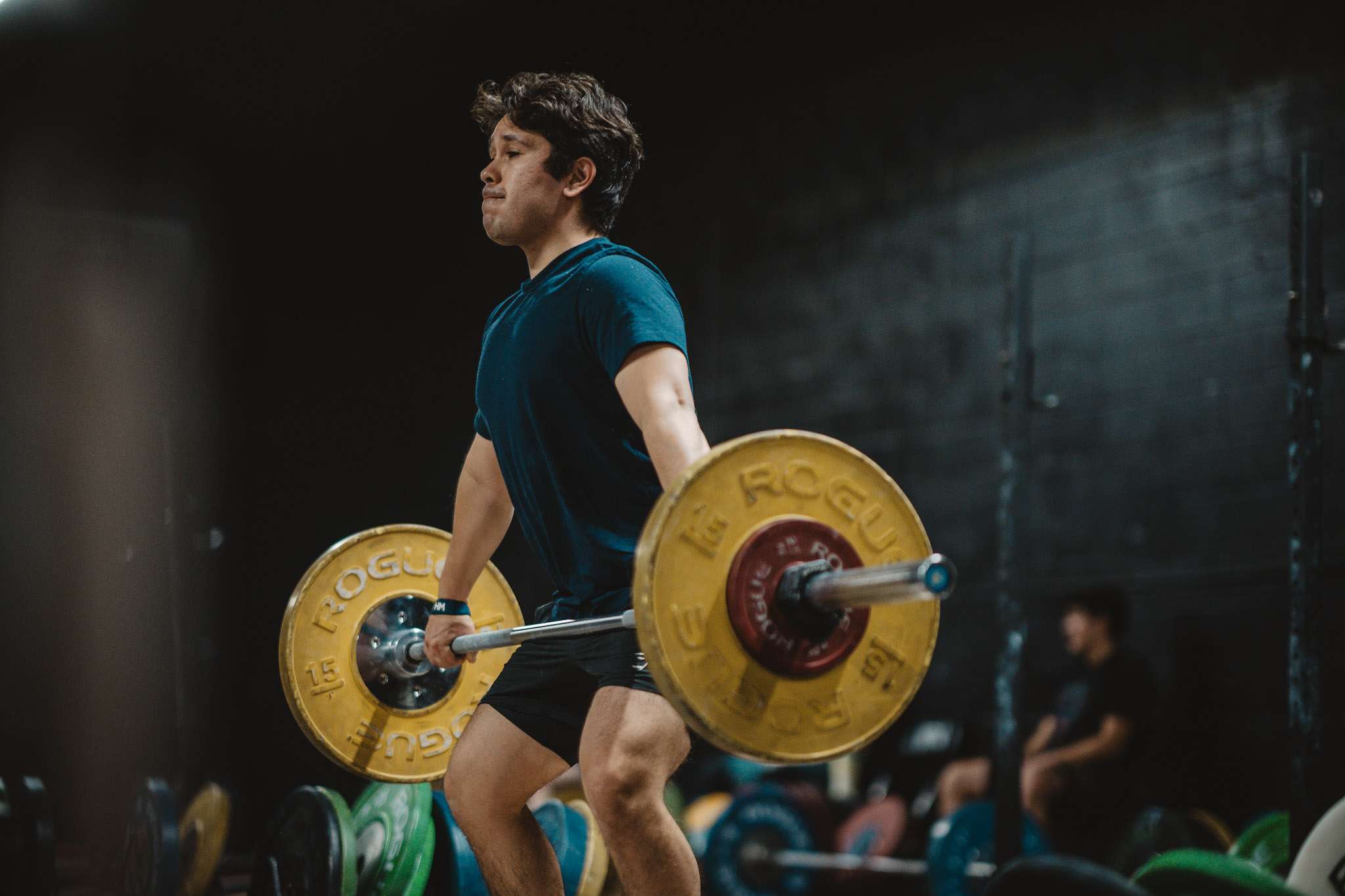
A facility with proper equipment. Olympic weightlifting requires specific equipment: a barbell that rotates freely (Olympic barbells, not fixed-sleeve bars), bumper plates that can be dropped from overhead, a lifting platform or area where dropping is allowed, and ideally a set of squat stands or a squat rack. Most commercial gyms do not allow overhead dropping. If your gym does not have bumper plates and a place to drop, you are limited in what you can train.
Patience. Olympic weightlifting is a long-term pursuit. You will not snatch bodyweight in your first month. You may spend your entire first phase of training with a PVC pipe, an empty barbell, or very light loads while you learn the movement patterns. This is normal. This is how every successful weightlifter started. If you want instant gratification, this is not the sport for you. If you want to develop a skill that challenges you for years and builds athleticism that transfers to everything else, keep reading.
The snatch is the wider-grip lift where the bar goes from the floor to overhead in one movement. It is typically the lighter of the two competition lifts but the more technically demanding.
Here is what happens in sequence, simplified for a beginner:
Setup: You address the bar with a wide grip (typically hands near the collars), feet roughly hip-width apart, hips above knees, shoulders over or slightly in front of the bar. Your back is tight, your arms are straight, and your weight is balanced across the whole foot.
First pull: You lift the bar off the floor by extending your legs while maintaining your back angle. The bar stays close to the body. This is a controlled, patient movement — not a yank.
Second pull: Once the bar passes the knees, you accelerate by driving your hips forward and extending aggressively through the ankles, knees, and hips. This is where the power comes from. Your arms stay straight — they are hooks, not engines.
Third pull (turnover): After full extension, you pull yourself under the bar by bending your elbows high and wide, rotating your hands to receive the bar overhead. Your feet may reposition slightly wider to your squat stance.
Receiving position: You catch the bar in a deep overhead squat with arms locked out, the bar stacked over your shoulders, hips, and midfoot. Then you stand up.
Each of these phases has dozens of technical details that a coach will progressively teach you. Beginners typically learn the snatch from the top down — starting with overhead squats, then snatch grip presses, then high pulls, then the full movement from various hang positions before going from the floor.
The clean and jerk uses a narrower grip (approximately shoulder width) and is typically the heavier of the two lifts.
The Clean: The first part follows a similar pulling pattern to the snatch — first pull off the floor, aggressive second pull through the hips — but instead of receiving the bar overhead, you rotate your elbows forward and catch the bar on the front of your shoulders in a deep front squat position. This is the front rack position, and it requires good wrist, lat, and thoracic mobility.
The Jerk: After standing up from the clean, you drive the bar overhead. Most competitive weightlifters use a split jerk: a quick dip and drive with the legs, then splitting the feet into a lunge-like position to get under the bar. Beginners often start with the push jerk (both feet land evenly) before learning the split.
The clean and jerk allows heavier loads than the snatch because the receiving positions are more stable (front rack vs. overhead squat). Most lifters clean and jerk 20 to 30 percent more than they snatch.
A good beginner Olympic weightlifting program prioritizes technique development, builds foundational strength, addresses mobility limitations, and progresses at a sustainable pace. Here is what that typically looks like in practice.
Frequency: Three sessions per week is ideal for most beginners. This gives enough practice to develop motor patterns without overloading recovery. Sessions are typically 60 to 90 minutes.
Session structure: Every session should begin with a general warm-up and mobility work targeting the positions you will train that day. Then skill work on the Olympic lifts or their variations. Then strength work — squats, pulls, and pressing movements. Then accessory work for any weak links — core stability, upper back, hip mobility.
Loading: Beginners should train at loads light enough to maintain proper technique on every repetition. This often means a PVC pipe or empty barbell for the first several sessions. As positions improve, weight is added gradually. Sets of 2 to 3 reps are common for the competition lifts. Strength exercises like squats and pulls typically use sets of 3 to 5 reps.
Progression: In the first phase (typically 4 to 8 weeks), the focus is entirely on learning the movement patterns. Variations like hang snatches, power cleans, front squats, and overhead squats dominate the programming. Full lifts from the floor are introduced once the positions are solid. From there, weight is added linearly — small increments each session — which works for several months before more advanced periodization is needed.
Key accessory movements: Overhead squats (builds overhead stability and squat mobility), front squats (builds clean receiving position strength), Romanian deadlifts (builds pulling strength and hamstring flexibility), strict press and push press (builds overhead strength), and snatch and clean pulls (builds pulling power at heavier loads than the full lifts).
| Day | Session Focus | Key Movements |
|---|---|---|
| Monday | Snatch Development + Squat | Snatch warm-up complex, muscle snatch, overhead squat, hang power snatch (3×3), back squat (4×5), snatch grip Romanian deadlift (3×8) |
| Wednesday | Clean and Jerk Development + Pull | Clean warm-up complex, muscle clean, front squat, hang power clean + push jerk (3×2+1), clean pull (3×3), strict press (3×6) |
| Friday | Full Olympic Lifts + Strength | Snatch from hang (3×2), clean and jerk from hang (3×1+1), front squat (4×3), accessory work (core, upper back, mobility) |
This is a simplified template. A coach would adjust the exercise selection, volume, and loading based on the individual lifter’s strengths, weaknesses, mobility, and recovery capacity.
1. Going too heavy too soon. This is the number one mistake. The Olympic lifts are skill movements first. Loading a movement pattern you have not mastered yet does not make you better — it makes your bad habits harder to break. If your coach says the bar should be light, trust the process.
2. Trying to learn from the internet. There is a place for watching technique videos to supplement coaching. There is no substitute for a coach watching you move in real time and giving immediate feedback. The positions in Olympic weightlifting are extremely specific, and the difference between a good lift and a missed lift is often measured in inches and milliseconds. You cannot see or feel many of these details yourself.
3. Skipping mobility work. If you cannot get into the bottom of an overhead squat with an empty bar, you are not ready to snatch. If your front rack is so limited that your elbows drop in the clean, you will miss lifts and strain your wrists. Mobility work is not a warm-up nicety. It is a training priority that directly determines how far you can progress in Olympic weightlifting.
4. Comparing yourself to experienced lifters. The lifter next to you snatching 100 kilograms has been training for years. Possibly decades. Your job as a beginner is to build perfect positions with light weight. That is it. The weight will come.
5. Training without a plan. Random Olympic weightlifting — doing whatever you feel like each session — does not work. The movement patterns are too complex. You need a structured program that builds progressively and addresses your specific limitations. This is why coaching matters.
This depends on your starting point, your training frequency, and the quality of your coaching. Here is a rough timeline for what most beginners can expect.
Weeks 1 to 4: Learning the basic positions. Lots of work with a PVC pipe and empty barbell. Overhead squats, front squats, pulling drills, pressing. You will feel uncoordinated. That is normal.
Weeks 5 to 12: The movements start to feel more natural. You are hitting power snatches and power cleans with light to moderate loads. Your mobility is improving. You have days where it clicks and days where it does not.
Months 3 to 6: You are performing full snatches and clean and jerks from the floor. Weights are progressively increasing. Technique is becoming more consistent. You might enter your first local competition — which I highly recommend, regardless of your numbers.
Months 6 to 12: Technique is solid enough to train with meaningful loads. Strength is building. You start to understand the nuances — timing, speed, aggression under the bar. This is typically when lifters fall in love with the sport.
Year 1 and beyond: Olympic weightlifting is a lifelong pursuit. National-level lifters train for 5 to 10 or more years. The beauty of the sport is that there is always something to improve. The learning never stops.
Most beginners think they need to be “good enough” to compete. You do not. Local USAW sanctioned meets exist specifically for developing lifters. You will compete against lifters in your weight class and age group. Many of them will be beginners too.
Competition teaches you things that training alone cannot: performing under pressure, managing warm-ups on a clock, handling attempts strategically, and experiencing the singular focus of putting everything into one lift. It also gives you a concrete goal to train toward, which transforms your preparation.
If you are in the Dallas area, Hunger in the Wild hosts USAW sanctioned competitions including the Into the Wild Classic on May 2, 2026. We run a professional meet with experienced officials, a proper warm-up area, and a supportive atmosphere for first-time competitors. There is no better way to experience Olympic weightlifting than stepping on the platform.
You can follow a beginner program from the internet and make some progress. But the gap between self-taught and coach-led Olympic weightlifting is enormous. Here is what proper coaching provides that a program alone cannot.
Real-time technique feedback. A coach can see that your hips are rising too fast off the floor, that you are pulling the bar around your knees instead of sweeping it back, that your turnover is slow because your elbows are not high enough. You cannot see these things in real time. You might not even feel them. A good coach corrects them before they become habits.
Individualized programming. Your mobility limitations, strength deficits, learning speed, and recovery capacity are unique to you. A coach adjusts the program based on what you need, not what a generic template dictates.
Safety. Olympic weightlifting is safe when performed correctly under qualified supervision. The injury rate in competitive weightlifting is lower than most team sports. But learning improper technique — especially on lifts performed at speed with load overhead — introduces unnecessary risk. A coach mitigates that risk significantly.
Accountability and community. Training with other lifters under coaching creates an environment of consistent effort and shared progress. You show up because you are expected. You push harder because others are training alongside you. You stay in the sport longer because you are part of a community, not just following a spreadsheet alone in a commercial gym.
At Hunger in the Wild, Olympic weightlifting is not an afterthought or an add-on. It is a core part of our identity. Our facility in the Dallas Design District has professional lifting platforms, competition-grade Eleiko barbells and bumper plates, and a coaching team with deep experience in the sport.
Our weightlifting coach Kenderic McMillian coaches athletes from absolute beginners to competitive lifters preparing for USAW sanctioned meets. Our Weightlifting Training classes are structured specifically for skill development in the snatch and clean and jerk, with emphasis on proper progression, individualized feedback, and long-term athlete development.
Whether you want to learn Olympic weightlifting for the first time, prepare for your first competition, or add the Olympic lifts to your training for HYROX, general strength, or athletic performance, we build the program around where you are and where you want to go.
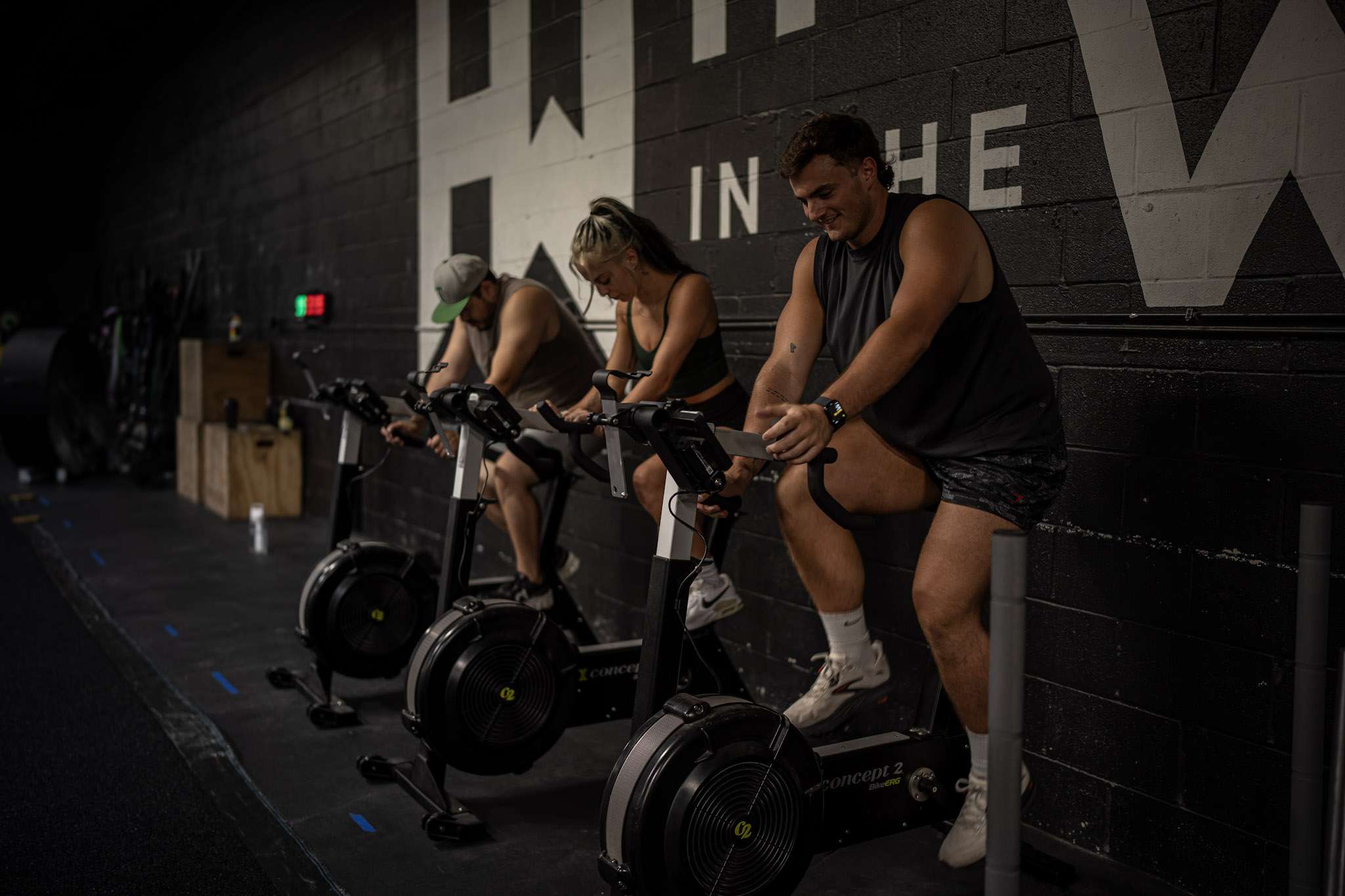
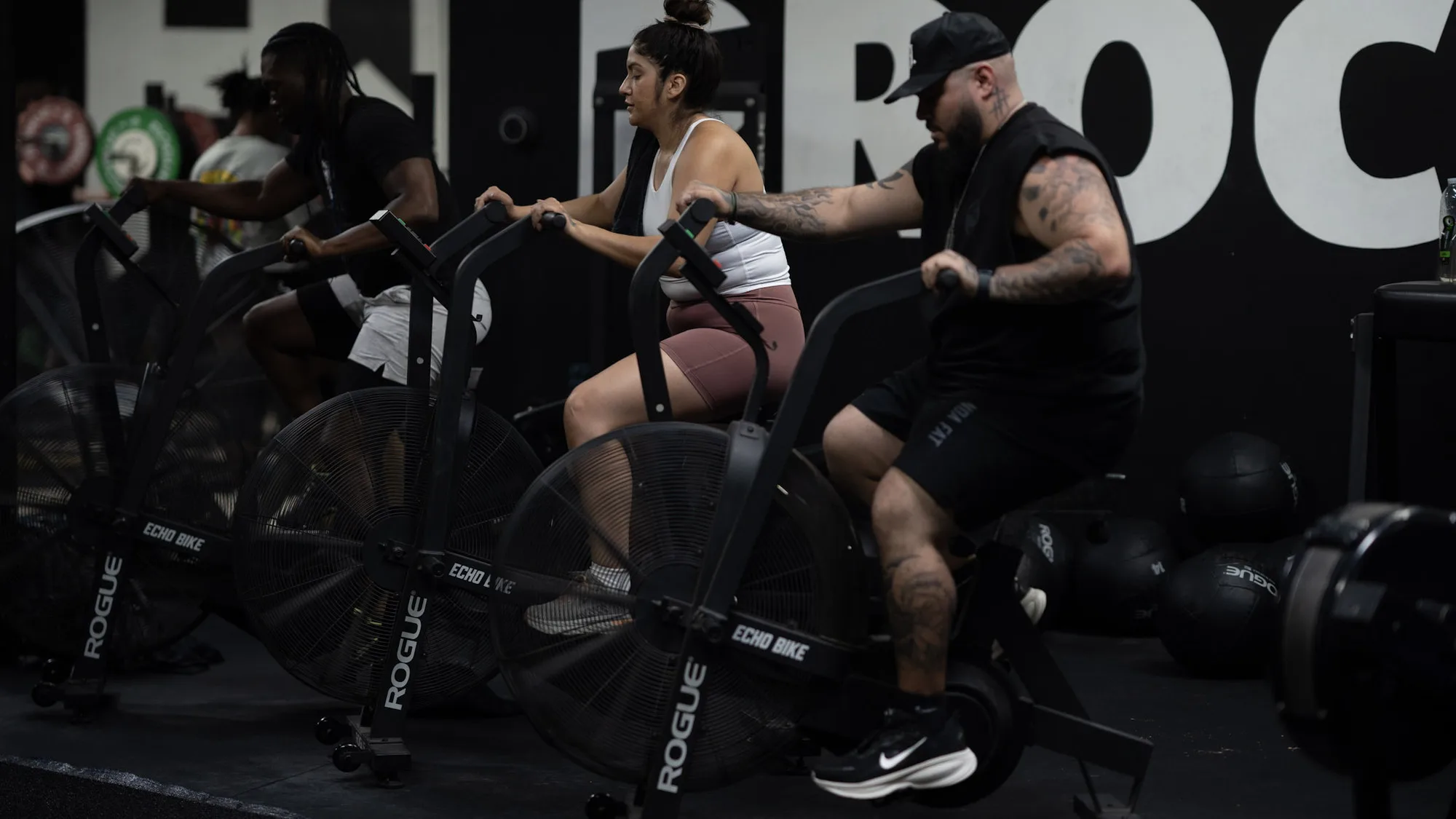
All memberships include unlimited access to our Weightlifting Training classes along with Strength, HYROX, Engine, Glutes, and Mobility sessions. You get a complete training system, not just one class.
If you are in the Dallas area and want to start Olympic weightlifting with proper coaching, the first step is a free consultation. We will talk about your background, your goals, and your current movement quality. If we are a good fit, we will get you started with the right program from day one.
📅 Book a Free Consultation and Facility Tour
📍 Explore Our Group Fitness Classes
🔗 Check Out Our Online Training Programs
If you are not local, we also offer online coaching that includes structured Olympic weightlifting programming with video review and remote feedback. It is not the same as in-person coaching, but it is significantly better than training without guidance.
Olympic weightlifting changed my life as an athlete and as a coach. If you have been thinking about starting, stop thinking and start training. The barbell is waiting.
Kyle Dosterschill is the owner and founder of Hunger in the Wild, a strength and performance gym in Dallas’s Design District. He is a USAW Level-2 National Coach with 20+ years of coaching experience and competed as a top-ranked USA Olympic weightlifter. Hunger in the Wild is located at 1350 Manufacturing St, Suite 204, Dallas, TX.
📅 Book a Free Personal Training Consultation and Facility Tour Today!
📍 Schedule a Free Consultation to Learn More About Our Group Fitness Classes!
🔗 Check Out Our Online Training Programs and Remote Coaching Services!
🔗 InBody Analysis – Learn more about the technology we use to track progress.