Official HYROX Training Club
Hunger in the Wild is Dallas’s Official HYROX Training Club — coached HYROX classes five days a week on race-standard equipment. See which class fits your schedule below.
Free Consultation + Personalized Plan
What people are saying
Dont just take our word for it. Read what our members are saying.
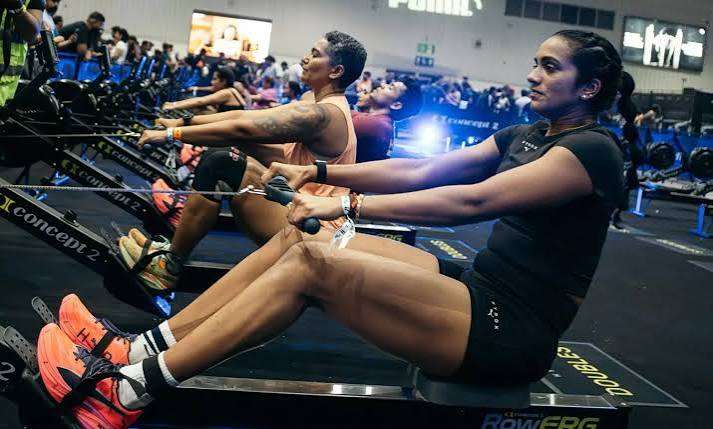
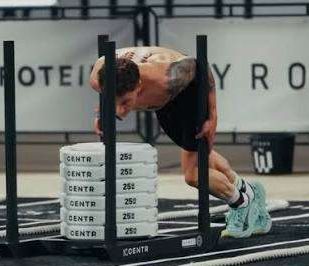
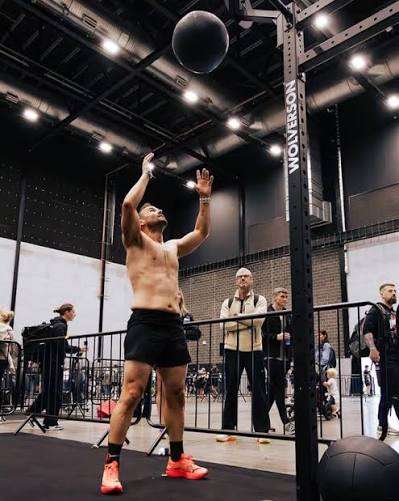
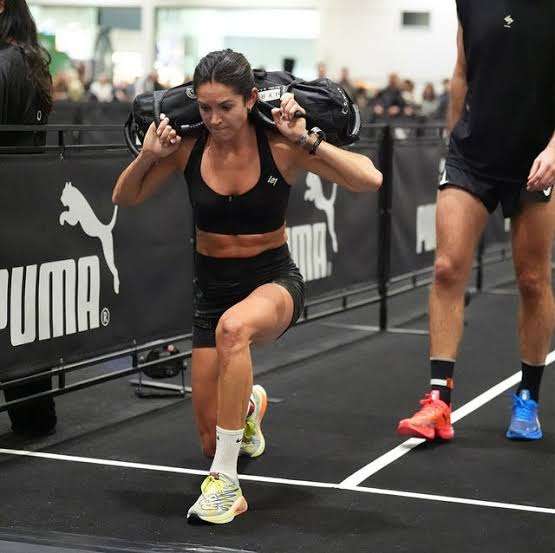
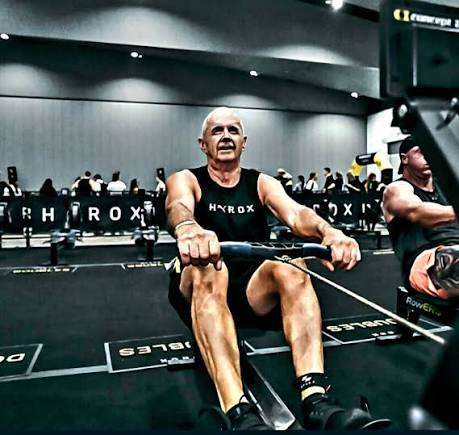
Who We Train
Every athlete comes to us for a different reason. Which one sounds like you?
You’ve signed up for your first race and want to show up prepared. We’ll help you build the strength, endurance, and confidence to enjoy race day.
You know where your last race got away from you. We'll help you build a plan that targets your weaknesses and gets you across the finish line faster.
You're tired of guessing and piecing random workouts together. We'll give you a plan thats proven to work and track your progress along the way.
Training is easier when you're surrounded by people chasing the same goals. Get coaching, accountability, and a team that has your back.
Not sure where you fit? That’s what the consultation is for. Come in, tell us your goal, and leave with a personalized plan to achieve it.
Weekly Schedule
Every week is built around the three demands of a HYROX race: engine, strength, and race-specific performance. One focused class type per day, with morning and evening options on weekdays and two morning sessions on Saturday. The more of the week you train, the more complete your race gets.
HYROX Engine: 6:00am, 6:00pm
HYROX Strength: 5:30am, 6:30am, 6:00pm
HYROX Performance 5:30am, 6:30am, 5:30pm
HYROX Engine: 5:30am, 6:30am, 6:00pm
HYROX Performance: 6:30am, 8:15am
Not sure where to start? Book a free consultation and your coach will map the right weekly schedule to your goal and the time you have.
How It Works
No pressure. No commitment. Just a conversation about where you are and where you want to go.
Book your free consultation and facility tour. It takes about thirty seconds to book and there's no pressure or commitment.
Sit down with a coach, talk through your goals, and leave with a personalized plan and a clear path to your first race.
Get a free one-on-one session to dial in your technique on every station, then jump into classes and start training.
No pressure. No commitment. Just a conversation about where you are and where you want to go.
The Difference
Most HYROX coaching in Dallas is a class instructor reading a workout off a whiteboard. Here, the people writing your plan and standing next to you are competitors with the times to prove it. They know what race day actually asks of you, because they line up for it too, many of them chasing HYROX Dallas 2026.
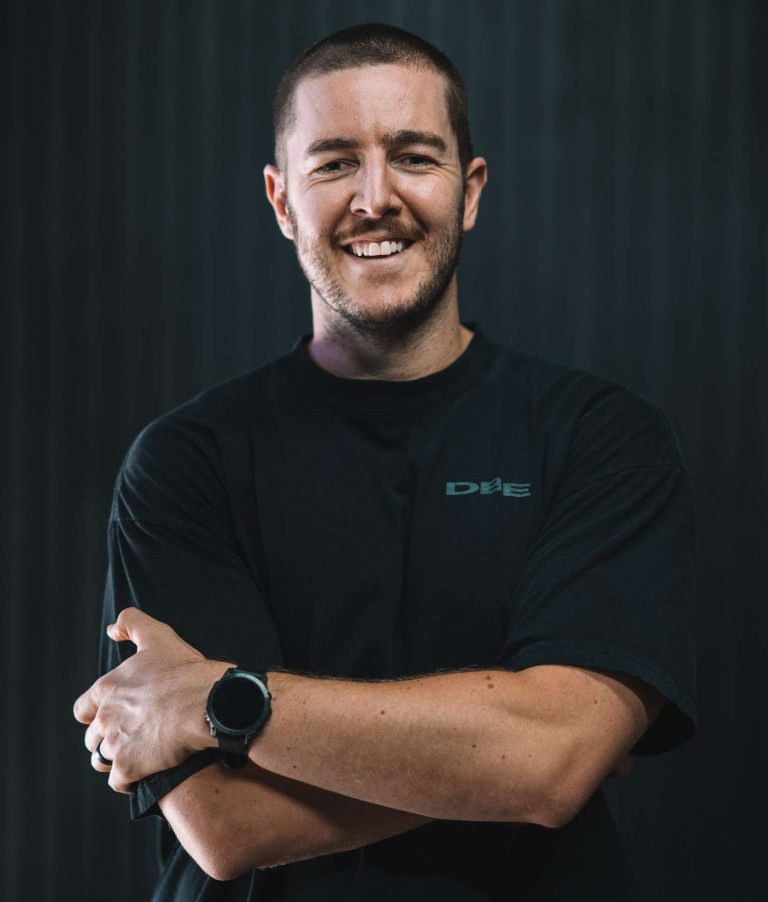
HYROX Head Coach
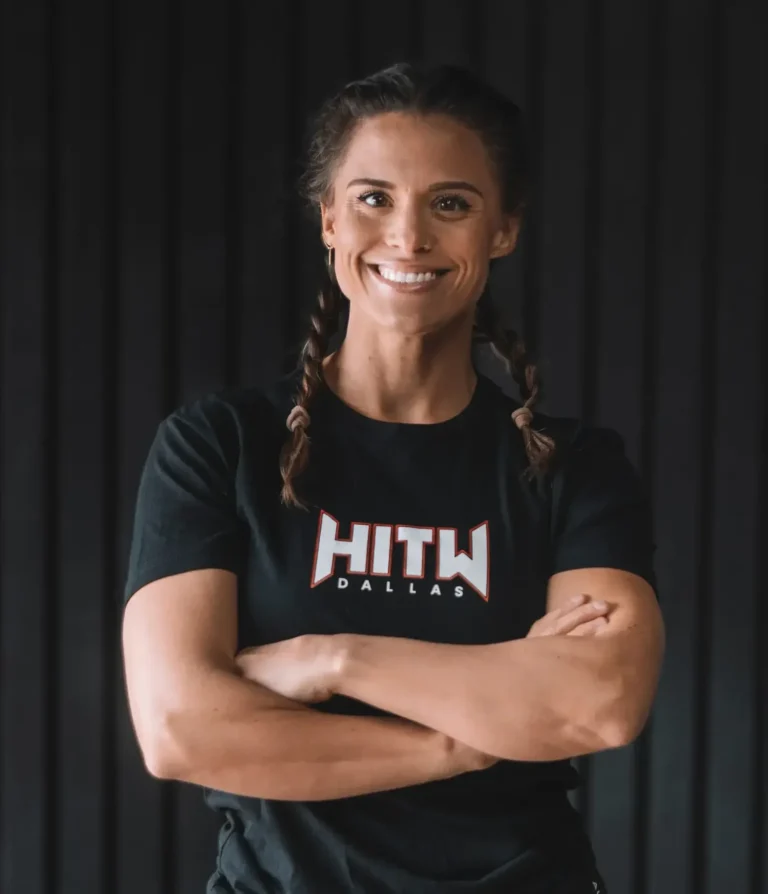
Owner & HYROX Coach
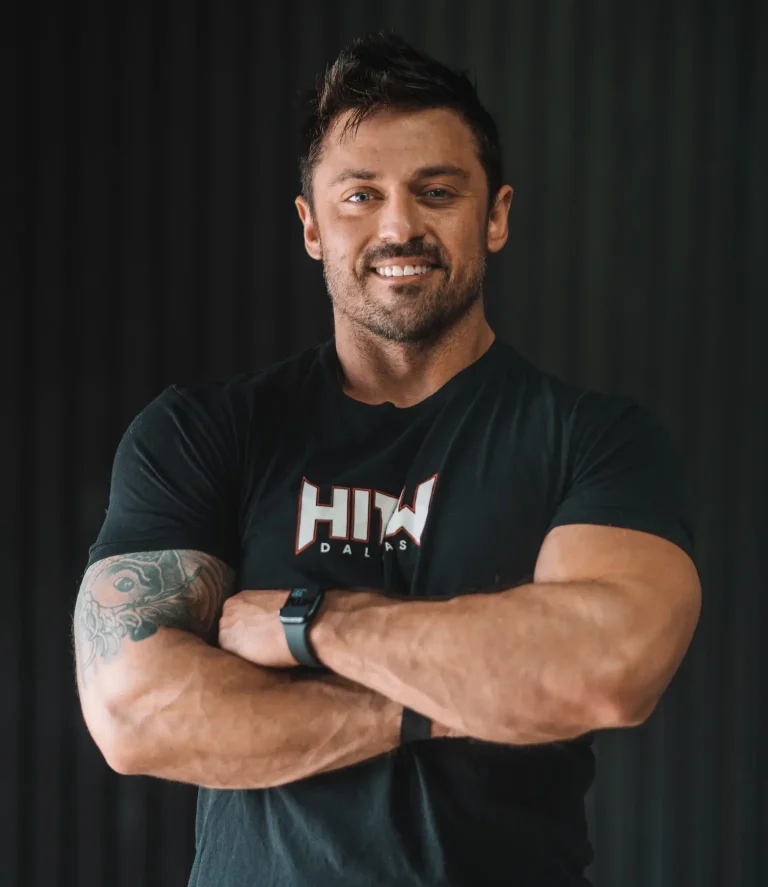
Owner & HYROX Coach
Read what our members are saying!
The Results Speak
To date, we have coached more than 150 athletes through HYROX races, and over 50 will represent Hunger in the Wild as a team at HYROX Dallas 2026, our largest turnout to date. These are not hypothetical results. They are real members whose finish times continue to improve from one race to the next.
Colin Hartman
Dallas 2025 1:52:01
Houston 2026 1:28:04
Ash Morris-Williams
Dallas 2024 1:17:44
Houston 2026 1:00:35
Kali Holcomb
Chicago 2025 1:36:54
Miami 2026 1:22:08
Nick Fournier
Houston 2024 1:21:00
Houston 2026 1:00:35
Real reviews from the people who train here. Read a few before you book.
Posted on Google
 Andrew Ronfeldt3 days ago
Trustindex verifies that the original source of the review is Google.
Outstanding strength classes (particularly coaches Natalie and Redd). Has been very helpful for me recovering from major injury and health setbacks. Cannot recommend this place highly enough. Community. Challenge. Growth. Kyle and Jess have built a great place to train.Posted on Google Chuck15 days agoI joined the Hyrox Performance class for a drop-in while visiting Dallas on vacation. Before the class, I sent an email with a few questions about dropping in, and Kyle responded immediately, which gave me complete peace of mind before joining. The facility is fully equipped with Hyrox gear, including ERGs, sandbags, wall balls, and more. As for the class, Coach Ash designed the training extremely well. It was challenging, yet allowed everyone to push themselves at their own pace. He is very engaging and knows how to motivate people. The members were also super welcoming and encouraging to one another. At the end of the session, I joined the extra ab workout, which was another tough one! Overall, I absolutely loved my experience here. I highly recommend this gym. If I lived in Dallas, I would definitely train here regularly. I’ll do my best in my next Hyrox race in Japan this coming January 2027, leveraging what I learned here at Hunger in the Wild Gym! Thank you very much!+0Posted on Google
 Nate Hoel17 days agoGreat atmosphere and great people here!!Posted on Google
 Polo Rodriguez23 days agoWhat a great place to work out. Staff: dedicated to make sure you are working out correctly and effectively. They genuinely care about you. If I'm hurting from pickleball and cannot work out with the designed plan, they offer alternatives. If I miss a few days of training, they check up on me. If I ask about changing my dietary needs, they educate me on the importance of nutrition. I can go on and on. Ash, Jess, Natalie, Kelcie, Red, Brooke and Kyle - you inspire me. Clientele: they are my family. To be honest, they motivate me to be better and they bring joy to my world. I truly love working out because of them - we may laugh and joke around but we work out hard and pick each other up. Equipment: excellent Location: perfect, right on a walking path. Facilities: open, garage door that opens up for light, fresh air. And the normal dressing room stuff. Almost forgot, I love our team building outings, those are fantastic.Posted on Google
 Christian S. Verziera36 days agoA couple weeks of training here while passing through Dallas for work was enough to remind me what actually shows up for showing up. This isn't a gym you join and quietly stop going to — it pulls you in. There's no attitude, no judgment, nothing standing between the door and the workout. The coaches are really smart and quick studies — they clock your ability almost instantly and shift the session accordingly: challenging the HYROX crowd, rebuilding someone easing back after time off, and bringing beginners along at a pace that actually fits, sometimes all in one room at once. Being Dallas's official HYROX training center, nothing here is copy-paste — the work is shaped around what you're actually chasing, so it compounds instead of just wearing you out. Twelve platforms, full HYROX setup, and access around the clock whenever life allows it. For anyone who's found gyms more discouraging than motivating, this one flips that.Posted on Google
 Claudia Roberts42 days agoHaven’t been this excited about a gym since 13 years ago at Neal Maddox’s gym in San Jose! After my first consultation with co-owner/wife Jess, I knew this was my new gym home. The main thing for me is that this place feels safe because of the secure leadership starting from the top. I am very sensitive to gyms, workplaces, and people that read as insecure; it automatically puts me on edge. Insecurity leads to an ego-driven leadership style that creates a culture of scarcity and threat, with people trying to posture and maintain dominance and hierarchy. Whereas with a secure leadership style, it’s rooted in a deep sense of self-confidence, abundance, and humility. Hunger in the Wild has a genuine warmth that so many gyms are missing because of this dynamic (imho), and I felt it immediately upon first walking in. People are deeply focused and supportive. The workouts are extremely challenging, well thought out, and purposefully designed (unlike other places I tried where it seems like a random workout of the day is getting pulled from an AI generator). I am looking forward to actually growing again in my fitness journey. This gym has brought back my joy for working out!Posted on Google
 Martin Palma47 days agoThank you for the drop-in! Great facility with all the kilograms you need for a great session.+0Posted on Google
 Amanda Shirley51 days agoThis place is a whole vibe !! Thank you for the drop in 🫶🏼+0Posted on Google
 Wesley Ramirez78 days agoMy only wish is that I had joined sooner. This is easily the best gym I have every been a part of. They make getting fit as easy as it possibly can be by making the decisions for the routine and the programming for you. The classes are where they go over all the cues to help you achieve good form and you are with a really kind and motivated community both coaches and members. Also, the classes are at fairly good times for working people including a 6 am class and a 530 pm class M-F. I just wanted to say a big thank you to the HITW team for providing such high quality training. Also, if you look at the price tag, just know that it is actually worth every penny. I am moving to a different state so I will unfortunately be leaving this gym.Posted on Google
 Esther Kim91 days agoI’ve been to a lot of gyms, and Hunger in the Wild is hands down one of the best. The coaches are incredibly knowledgeable, welcoming, and genuinely invested in helping every member succeed, no matter your fitness level. The community is what really sets this gym apart. Everyone is encouraging, the energy is unmatched, and it’s a place where you actually look forward to showing up. The programming is challenging but approachable, and the facility is always clean and well-equipped. Whether you’re training for HYROX, looking to get stronger, or just want a gym where you’ll feel supported, I can’t recommend Hunger in the Wild enough.Posted on Google
 Nicholas Fournier92 days agoBest gym in Dallas!! If you’re in the metroplex you need to stop inPosted on Google
 Stefano Antegiovanni102 days agoExcelente lugar para entrenar pesos libres. Muy buena onda de los personal en particular Kendric!+0Posted on Google
 Lexi Boutchie110 days agoSuch a great gym! Great facilities and good vibes.Posted on Google
 Kimberly Bracken113 days agoJust moved here from out of state and looking for a new gym. Did a drop in and was so happy to see that they are fully equipped with all I need for Olympic lifting and cross training. The coach Kenderic was super helpful and accommodating. Will be making this my main gym now.Posted on Google
 Elena Aigle118 days agoGreat gym with high quality equipment and friendly people and coaches. Weightlifting platforms, change plates and female 15kg weightlifting bars are a plus for any serious weightlifters+1Posted on Google
 F H126 days agoGood atmosphere. You have your own space while working out. Coach Natalie was very nice and helpful.Posted on Google
 Emmanuel Kpuinen130 days agoLove a good hole in wall gym. Garage style with open fresh air. The atmosphere in the gym is phenomenal as well. Music is great, and Coach Redd himself is a really cool dude. Gave me just one pointer and that was enough to change the entire feeling of the snatch. Come by, check it out! You won’t regret it.+2Posted on Google
 Justin O134 days agoPicture this: You peacefully stroll towards the door of a warehouse that emanates loud clangs that strikes fear in your eardrums and causes your urethra to let out a little pee you were holding from your latte you drank earlier. Your brain starts to give you excuses to turn around because you're uncomfortable and you've never tried something new in your boring life, but you find the strength to put your hand on the door handle and twist it open telling yourself, "I can do this. The music sounds bumpin anyways so it can't be too bad." You get a workout in. You like it. Day 1 over. You find yourself going again and again. All of a sudden it's day 47 and you got the self esteem of a prepubescent middle school quarter back at his first coed dance and all the girls break their ankles trying to run towards you for the first straight-armed-rock-side-to-side slow dance to Red Light Special by TLC the Dirty Version. Worth it. Update: Brook is the best coach. 2026 Update: All good coaches. I just finished Jessica's 6am strength class. Instructions were clear and guidance given throughout. Program is functional and practical strength usable in real life. I tired.Posted on Google
 Yaritza Arteaga136 days agoMy friend Jennifer has been coming to this gym for six years, and I decided to drop in for a session. Had the best workout !! Very clean gym that has everything you can possibly need. All around amazing ,with great equipment and plenty of room. What stood out was the different areas of training - from weightlifting, hyrox, strength training and cardio machines. Highly recommend if you are in the Dallas area !Posted on Google
 Madeline Barrett138 days agoDropped in! Great gear and space 💪🏻+0Posted on Google
 bobooutdoors141 days agoI was in the Dallas area temporarily for work. I looked at joining Hunger in the Wild multiple times before actually doing it. I wish I would have joined from the start. People are kind and welcoming. Trainers are fantastic. Other than being from a cooler climate and wishing for air conditioning all the time, Hunger in the Wild is fantastic and will go back if I return to the area.Posted on Google
 Jason Boone141 days agoAmazing workout. I was traveling through Dallas for work and needed a spot to get a Hyrox workout in. Kyle and the team were super welcoming, the space had everything I needed, the workout (from the structure to the flow to the coaching) were on point. But the best part was that so many members came up and introduced themselves. If you live in Dallas and want to be a fitter version of yourself, you should join. If you’re passing through, go to Ash’s 6am class. It’s a vibe.Posted on Google
 Kelli Brightwell143 days agoAs a certified strength and conditioning coach and national level Weightlifter, if I owned a gym, this is exactly the type of gym I’d want to own. This has everything you need in a performance based facility. They also have showers, a fridge, filtered water stations, towels, and a microwave. This gym suits Powerlifters, weightlifters, body builders, athletes, metabolic conditioning, functional movement, hyrox, and CrossFit training. They have high quality name brand new equipment including Rogue. The black themed gym gives in a certain vibe and energy that’s hardcore and motivating.+1Posted on Google
 Kevin Obana143 days agoGym is well kept, equipment was solid, and community was very welcoming!Posted on Google
 Colin Hartman (cHARTMAN)152 days agoHands down the best gym in Dallas, and one of the best I’ve ever been a part of. Incredible coaches, challenging programs…but the humans are the real highlight. The community here has no equal…no matter what workout you’re grinding through, it’s just a bit easier with good people around.Posted on Google
 RAAD JAWAD FASHION DESIGNER159 days ago5 starts isn't enough, I could rate it 10/10, so, Don't waste any more time! Investing yourself in this gym, you be the winner! Highly Recommended!Posted on Google
 Abbie Nevins166 days agoI’m consistently blown away by just how much training here has changed my overall fitness. The programming is spot on; challenging enough to push you while also prioritizing safety and sustainable progression. The coaches are all wonderful and bring great energy to every class. The gym is clean with excellent equipment. The Hyrox and engine classes have made me more confident that I might stand a chance in a zombie apocalypse. All around a great team and great experience!Posted on Google
 Michael Williams166 days agoGreat gym if you want to hit a fitness goal without being overwhelmed! All of the coaches are great and the classes are a nice mix of challenging and fun! Would definitely recommend!Posted on Google
 Anders L166 days agoFantasticPosted on Google
 Paige Moose166 days agoI had my first hyrox class this week here and it was such a good experience. I was able to push my self but also had an opportunity to start slow as a beginner. Everyone was so welcoming and great trainer!Posted on Google
 Harry Sullivan166 days agoJust straight up best gym I’ve ever belonged to. Finally found a place with classes that are the perfect balance of support & accountability and I am seeing the results! Been a member for about a year and no slowing down. Shout out to Coach Natalie, Coach Dallas, and Coach Red for making me feel like I belong even though I came in knowing next to nothing about weightlifting. Highly recommend to all skill levels and goals.+0Posted on Google
 Maddie Blumenthal166 days agoI found HITW when I moved back to Dallas about 8 months ago - and I’m so happy I did. It’s a great community with dedicated coaches and programming. The gym is approachable for any level and they really work with you to achieve your personal goals.Posted on Google
 Megan Dubeansky167 days agoI’ve loved HITW!! All of the coaches are so welcoming and encouraging, and the structure the programming has is really unlike anything else I’ve found in the city and so helpful for strength progress.Posted on Google
 Jazmin Jones168 days agoGreat gym with great community!!!Posted on Google
 Philip Spear168 days agoThe best gym in Dallas. The trainers are very knowledgeable and the atmosphere and community is unmatched.Posted on Google
 Eric Angeles168 days agoAmazing place all around!Posted on Google
 Karen Dorsman171 days agoI know what you’re thinking: a gym with 5 stars?! No way. But yes, HITW is that good. This is an updated review- it has now been 2.5 years since I joined, and as I’ve gotten to know more members, coaches, and as I have increased my consistency, I am even more grateful for having found this community. Even my husband, a former triathlete, joined 2 years ago! He once told me strength training wasn’t his “thing,” but after trying classes with Coaches like Natalie, Kelsi, and Jessica, he realized that cross-training was essential for his performance, and kept showing up. Plus, you cannot beat the individualized approach to classes. Even though I do not take the Olympic classes, I can always count on Redd, Brook, or Kyle to give us feedback on our form. Last year, HITW added more conditioning classes with Hyrox-specific training, and more recently, Engine classes with Coach Ash. My husband and I are even more hooked! We now show up consistently, have gained muscle mass, improved our endurance, and even completed our first Hyrox doubles. We haven’t tried the running club yet, but my friends attend, and they love it. I know you may be considering the cost, and I get it- when I think of the value of everything I’ve gained with my membership (e.g., personalized programming, knowledge, strength, endurance, even friendships), the reality is the investment I make every month is worth every penny. And if you are also thinking, “Oh, I don’t like groups and just want to go to the gym and not talk to anyone,” Well, you can do that too!! You can be as involved as you want or go on your own. You can just be yourself here, and that’s the best part. Hope you join!+0Posted on Google
 Meredith Alwine185 days agoGreat gym with excellent equipment, helpful and knowledgeable staff, and kind and welcoming members. Everyone is so supportive and the space has everything you need.Posted on Google
 Sam196 days agoThoroughly enjoyed my first workout with Kyle @ hunger in the wild. Loved that I asked for a finisher and he programmed it in immediately! Excited to keep coming back when im visiting Dallas.Posted on Google
 chris_wilson212 days agoJoined this gym recently and so far it’s been a good experience. There’s plenty of equipment and I usually don’t have to wait for machines in the morning. The place also stays pretty clean, which I appreciate.Posted on Google
 Ethan Garcia212 days agoVery nice owner, clean environment, and healthy atmospherePosted on Google
 Roger Liang231 days agoI’ve been training at Hunger in the Wild for about four months now, and it’s been one of the best fitness decisions I’ve made. I came in accustomed to doing all my own programming, so I was honestly hesitant to give that up, but the coaching and structure here have completely won me over. The workouts are intentional, challenging, and thoughtfully designed, and I’ve seen real progress since trusting the process. Kyle and Jess have done a bang-up job with this gym. What stands out most is how invested the coaches are in my success. They actually know my goals and meet me where I’m at. Huge shoutouts to Coaches Kelsi, Natalie, Oksana, Red for the constant support--and to Coach Ash for building some of the toughest (yet still manageable) HYROX-style workouts I’ve done. The community has been just as impactful. I’m pretty introverted, especially in gym spaces, but everyone here is welcoming and encouraging. I’ve even found myself hanging out with gym friends outside of workouts, which says a lot about the culture. Also, the 24/7 access has been a lifesaver with a hectic schedule; being able to train when it works for me makes consistency much easier. If you’re looking for serious programming, supportive coaching, and a genuinely great community, Hunger in the Wild is absolutely worth it.Posted on Google
 McKayla & Patrick260 days agoAwesome gym with top of the line equipment. Clearly built very intentionally - powerlifting, plenty of hyrox space, regular strength training. Great that they can open the garage doors to let in the outside air. All around incredible, gritty lifting environment with very clean facilities - locker room/shower area, front lounge, etc. This was my first time traveling to Dallas, and will absolutely be back to HITW the next time I’m in town.+0Posted on Google
 Dominique Thompson262 days agoI joined HITW July 2025 and it has been the best choice. Although I came in with some oly experience from my CrossFit days, the programming has challenged me in many ways CF did not. And because of that, I am the strongest I’ve been in years. The team and other members are so supportive and have pushed me to step outside of my comfort zone. From hitting PRs to joining our in-house run club, personally I have thoroughly enjoyed my time here and am looking forward to see how else I continue to grow with the support of the HITW team.Posted on Google
 Geoffrey Madu263 days agoStarted my weight loss journey a little over 2 years ago and I needed a gym that was structured enough to help me with general health and weight loss. I looked online for like a month because I didn't want to go to a commercial gym where I felt like I wasn't really getting anything done (no knock on any commercial gym-goers). Found HITW and did a consultation just to hear directly from the people that put their everything into the gym. A few days later I participated in my first class which was at the time 5:30am (like wtf). But I got up and went. Needless to say I got my butt kicked. I was tired (heavy breathing) and straight up noodle legs, that's how I knew this gym was the right place for where I am in my journey. It's exactly what I needed. Staff/Coaching- TOP TIER (in my opinion). All of them are well versed in the craft of fitness and weightlifting. If it's in a class or independent session it doesn't matter I trust what they are telling me. Probably the most humble group of individuals I have ever encountered in a gym setting. And the professional success of the HITW team only makes me believe in them that much more. Facility- Organized and Clean. Everything has it's place for equipment and everything is well maintained. There is a variety of equipment for any level of athlete to use and plenty of space to come in and handle your business. Never had a moment where I couldn't freely do my routine for the day. Training/Programming- Well thought out and executed for both Olympic Weightlifting and Strength/Conditioning. They do not mess around so show up expecting to put in that work. No easy days but they are great about knowing when to scale the work out back without sacrificing quality. *BONUS- The atmosphere and fellow HITW members is one of the key things that keeps me coming back. Everybody that I have had the pleasure of meeting and working out with has always been AUTHENTIC (not fake or saying stuff to make you feel good). Just everyday people trying to improve themselves and live life. Unique stories, opinions, and backgrounds that are not afraid to help you or chat in between sets. That's the magic that whoever reads this review needs to see. This is WHY you NEED TO join HITW. Shoutout to the SQUUUUAAAAAD.... They bout that action. I am truly not sure if and when Kyle and Jess sleep but I appreciate them.Posted on Google
 Logan Cannon263 days agoFrom the day I walked in the door the attention to detail and the amount that the entire team at HITW cares was incredibly evident. 2 years later and everyone is still there helping me progress every day.Posted on Google
 Caity karpy263 days agoRecently popped in for a session and was very happy with the HYROX class. The owners and coaches are all friendly and welcoming. I will definitely be adding a hyrox class to my weekly split and I can't wait to try out the strength class!Posted on Google
 Yuna Chang266 days agoI joined in March 2025 and admittedly felt intimidated and uncertain at first. Walking into a new gym can be daunting, but the members and coaches here quickly eased those concerns. I will always remember the friendly, “hello” and smile from Coach Kelsi that left an amazing first impression of the gym. Coach Kelsi always greets me with a big hug and a smile and she will challenge you without pushing you to the point of an injury. Very quickly, I found myself feeling comfortable at the gym. The positive and genuinely inclusive atmosphere pushed me to challenge myself, which led me to set many PRs. Shout out to coach Red for always checking on me and getting me anything that I need 🤘🏼 I also appreciate the wide range of classes offered. As someone who becomes disengaged when routines feel repetitive, the diversity in programming has kept my training engaging and enjoyable. It is a feature I take full advantage of and one that sets this gym apart. Definitely recommend!!+0Posted on Google
 Kamian Hall266 days agoAs a seasoned athlete and lifter, you cannot go wrong with Hunger In the Wild! State of the art equipment to give it the right old school feel. Top notch trainers and coaches. They are comprised of the most intellectual team with incredible energy. Had the pleasure of attending a session with coach Kelsi, and she most certainly did not disappoint. I highly recommend a session with coach Kelsi. If you wanna hit the baddest gym in Dallas, this is it!Posted on Google
 Luke McGee276 days agoRecently moved to Dallas and I’m so glad I found this gym. Excellent coaching. Supportive, friendly members. Great equipment and the space is always super clean.Posted on Google
 Mims Williamson277 days agoI feel quite fortunate to have found this gym. It's got a perfect mix of community and solid programming that I have seen results with lots of room to grow for the future. The programming is just great! And they've got different offerings according to what's best for us according to wherever we're at in our journey. Freaking PERFECT! I found it from a Google search and knew i wanted to come here and it's now been ~3.5 months and I'm more pumped than ever about what heights I can reach this year. I love this gym!!Posted on Google
 Elspeth Allen Glaubitz277 days agoSuper supportive gym, coaches with diverse expertise, and lots of options for a great price! Been great for my fitness journey.Posted on Google
 Ben Fox278 days agoI love this gym. I started out with an injury, they were very accommodating. The class instructors are so encouraging, helpful, and inviting. Also personal sessions with Nat and I’m basically injury free! Can’t recommend a gym any more than this one. Also just a huge shout out to Jess and Kyle for making this gym such a great experience.Posted on Google
 Nicholas Feinman282 days agoHunger in the wild gym is the perfect blend of a rugged barbell club (that leans Olympic style) and classed based workout environment. It’s a no frills, no mirrors kind of gym where no one takes themselves too seriously and everyone is eager to offer a word of encouragement on a top set. The coaches are supportive and knowledgeable. Whether you are motivated in a class setting or prefer your own customized programming, it’s all available at this great gym. Highly recommend!Posted on Google
 Dylan Arena285 days agoWe visited from out of town and were welcomed as drop-ins. The facilities *and* fellow athletes were great! If I lived in Dallas, this is where I'd train.Posted on Google
 Cooper Abrams294 days agoDid my first Hyrox workout here and couldn’t have asked for a better experience! The coach, Ash, did a great job leading the class and the facility has all the equipment you need. Highly recommend this gym!Posted on Google
 Carson C304 days agoAwesome spot with solid equipment and great people. Very welcoming and knowledgeable peoplePosted on Google
 Isabel McKenzie320 days agoDid a drop in today and everyone was extremely welcoming and let us do our thing. Wish we had more time here to take a class!Posted on Google
 Lexi Davis320 days agoAmazing gym! Came in for a drop in class while in town for a hyrox and everyone was very welcoming.Posted on Google
 Shawna Sims320 days agoThanks for letting us pop in! Great gym and great people!Posted on Google
 Kirsty Keating323 days agoSuch a cool little gym that we used whilst in the area for Hyrox Dallas. Super nice staff and great space.Posted on Google
 Jake Williamson323 days agoGreat space, great people ! Perfect for lifting, CrossFit and HyroxPosted on Google
 Brie Gomez327 days agoSuper welcoming gym and staff that made my visit to Dallas easy!! 10/10 recommend if in the areaPosted on Google
 Jim Malone333 days agoDropped in for a training session while in town on business, what a great space & atmosphere. Would join tomorrow if I lived in Dallas. 💪🏻Posted on Google
 Megan Hopkins337 days agoA lovely venue, I was here once, but chose another place closer to home!Posted on Google
 Blaine Greenwood341 days agoGreat gym, even better environment! Best weightlifting gym I’ve found in DFW!Posted on Google
 Danny Zheng347 days agoGreat facility and staffPosted on Google
 Craig Holguin Jr356 days agoI just started off in weightlifting not too long ago, got recommended here by a friend and this literally has everything you need. Didn't have to wait for a platform because there was more than plenty and the community was very welcoming and friendly. One of the coaches Kenderic was very awesome and gave me some pointers while I was working on my snatches. If you are in the area definitely give this place a shot!Posted on Google
 Christopher Puetz357 days agoIn town for work and needed a gym to lift at. Hands down this place is great. Sent a few questions to them about location and they were super quick to respond. Arriving there, the space is clean and well cared for. The staff both days were amazing, taking time to show me the gym, restrooms and have towels for use. Lots of lifting platforms, dumbbells, kettlebells. 10/10 for me!!+1Posted on Google
 Payton Matous362 days agoGreat gym! The community is second to none, so every workout is fun, and the coaches push me every day!Posted on Google
 anona ymousa363 days agoA dream gym for weightlifters! So many lifting platforms and all the equipment you need. Everyone is so friendly and welcoming. Will definitely drop in again when we visit Dallas in the future.Posted on Google
 Arkadiy Makaron363 days agoDropped in for a week to complete my Oly programming and could not be more satisfied! It’s clean and fully equipped. Met with Kyle, Natalie, and Kenderic who were all extremely nice and welcoming. Highly recommend this facility!Posted on Google
 Ramon R366 days agoIt’s not just a gym, it’s a community and much more. Kyle, Jessica, Kelsi, Natalie, Hanson, Ash, Red, all these folks really work with you, help your form, you’re set up for success. I have defined legs like back in my soccer days, I feel fit, I feel healthy, really appreciate this place.Posted on Google
 Dustin Sanders377 days agoGreat gym, and even better coaches!Posted on Google
 Thomas Barber378 days agoThis is by far one of the best weightlifting gyms I’ve ever been too. Everyone is super friendly and the equipment is top of the line, cannot recommend morePosted on Google
 Nate Lovelace387 days agoCame into town from Tennessee for my sisters wedding. I’m a powerlifter and tried several gyms in the area but this was the best one! It had everything I needed and more. An awesome environment with great and helpful staff. If you’re in town for a couple days or a week this is an amazing gym to try out!Posted on Google
 C&K Bokeh397 days agoGreat gym! Great atmosphere! Staff is super welcoming. Amenities and equipment are top notch. I frequent the area and will definitely continue to drop in whenever I’m in town. Highly recommend if you’re looking for Olympic weightlifting, strength training, HIIT, and much more. Their website is super easy to navigate and very informative. Thank y’all for the hospitality and accommodations!Posted on Google
 Nana R401 days agoWhen I first started looking for a coach, I was honestly hesitant. I had tried group training before at other gyms and always walked away with knee pain, back pain, and just feeling uncomfortable. I didn’t think strength training was for me. Then I met Jess at Hunger in the Wild. She listened to all my concerns without judgment and, in a really positive and empowering way, encouraged me to give the gym a chance. From day one, she focused on my form, gave me cues I could actually apply, and helped me build confidence in movements that once felt intimidating. She’s also been really supportive with nutrition since I take daily medication that suppresses my appetite, she gave me practical advice that made it easier to fuel my body for training. What really makes this gym stand out is the culture. No matter which coach you’re working with, every single one pays very close attention to form, technique, and areas of improvement and they do it in a way that feels empowering, not intimidating. When I first started, I would walk in nervous, but I’d leave each class feeling capable. In just one month, the results have been incredible. At my recent doctor’s visit, I learned I’m finally out of the prediabetic stage 🎉, my visceral fat is going down, and even though I don’t always see big changes on the outside yet, I can feel the difference every time I’m in the gym. My body moves differently, I feel stronger. The biggest surprise, though, came on the tennis court. I realized all the strength training and intentional practice at the gym had transformed how I move and play. It felt like my whole game leveled up overnight! I can’t thank Jess and the entire team at Hunger in the Wild enough. If you’ve ever felt intimidated by strength training or had a negative experience group training, I promise this gym will change your perspective.✨Posted on Google
 Michael Parrish402 days agoGreat gym & environmentPosted on Google
 Julie Guerra403 days agoHITW is such a great gym. Kyle and Jess have such an amazing space that is open, the equipment they offer is top notch and the coaches are wonderful. They learn your name, check in with you when you don't show and have built an overall great community. Whether you're looking for Olympic lifting or focused strength and conditioning, this is your place!Posted on Google
 Tripp Morris408 days agoSo fresh. So clean. Thank you for the last minute drop-in!Posted on Google
 Stephanie Barron420 days agoI can’t say enough good things about HITW. I joined when I was looking for a space that felt welcoming, allowed 24/7 access, had knowledgeable coaches, and would actually challenge me - without making past injuries worse. From the start, it delivered all of that and so much more. The community here is truly something special. Everyone (members, coaches, the owners) are just genuinely good people. It’s the kind of place where you walk in and feel like you’re part of something. I always leave feeling better than when I arrived, both physically and mentally. If you’re looking for a gym that pushes you in the best way, HITW is the way to go. I’m so grateful I found it!Posted on Google
 Lidia Allen423 days agoI was looking for a gym that truly focuses on strength training and offers the guidance I needed as someone new to weightlifting. Being postpartum and carrying extra weight, I wanted a trainer who would not only help me get stronger, but also make the process enjoyable. Jessica Dosterschill is the go-to trainer for women who want to get back into shape in a way that feels almost effortless. She’s knowledgeable, encouraging, and makes every workout fun yet highly effective. I’ve never left a session without feeling both accomplished and motivated. Hunger in the Wild Gym has exactly the atmosphere I was searching for—supportive, energizing, and results-driven. I’m so glad I found it!Posted on Google
 Natalie Marion424 days agoI absolutely love HITW. This gym is so different than any other gym I’ve been to. Not only do the coaches care about you as an athlete, they care about you as a person as well. The coaches and community keep you accountable and push you to be the best athlete you can be. I love the gym community that is here, we aren’t friends, we are a family. A family who cheers each other on in every aspect of life. The programs that are designed for us aren’t just something that pushes us, they are intentionally designed to make us stronger in every aspect of lifting. I absolutely love HITW and would recommend this gym to anyone wanting to find a gym community or push themselves to be the best lifter they can be.Posted on Google
 stephanie ang424 days agoHands down the best gym I’ve been to thus far! I’ve always been searching for strength training classes and could never find something like this. I’ve done lagree, jiu jitsu in the past and it never really gotten me to my goals. I want to look beefy, I want thunder thighs and a nice peach and HW has done that for me! Don’t get me started on the community…. They are so welcoming, genuine and I’ve met some life long friends from HW. The ladies make it extremely fun on Saturdays and I look forward to classes because of that. Most importantly major shoutout to Jess!!! We’ve done personal training and she is phenomenal. Taught me all I’ve needed to know about strength training. She is the absolute best coach I’ve had ever! She motivates me to keep on going and it brings me joy when I see Jess bright and early. I understand the mechanics, the science behind each workout. And she also helps me understand the proper nutrition I need and much more! She is such a motivation and I can’t wait to continue my fitness journey under Jess. And when I look back at photos from years ago I wasn’t happy with how my body looked. But flash forward to now - this is the most comfortable I’ve ever been in my skin. I’m certainly far from where I want to be but I will take the progress I’ve achieved. My 30s is what I call my fit kween era and I owe it all to Jess! Seriously, she’s inspired me to do Hyrox next year, a half marathon, a mud run, etc. All that to say… Come on down to HW 🐺Posted on Google
 Landon Ellingson424 days agoBest gym I’ve ever been to. The instructors, equipment, and community are top-notch. The owners (Kyle and Jess) are so friendly, and always taking feedback to improve the gym for their members. Also, I’ve never been to a gym that’s so comprehensive with its offerings. Within a week, you could do a Hyrox class, Olympic weightlifting, powerlifting, mobility, and even run club. There’s no reason to ever need another gym membership; it covers all grounds. Can’t recommend HITW enough!Posted on Google
 Claudia Astrid Perez Banderas424 days agoAwesome gym, super nice people/staff. Great coaches, loved the encouraging atmosphere!! I’m really glad I found this, super accessible and there’s also customized online training, I which I had this gym closer to home 🖤🖤🖤+0Posted on Google
 Akshay Sinha428 days agoAs of 8/6/25: Updating this to 5 stars. I feel as though I have been too harsh with the initial review in terms of the lack of group class availabilities. Although the times are limited, if you can make them, they are some of the best workouts a person can ask for. ————— As of 6/17/25: This is by far the best gym I've ever been to. Part of me wanted to not write a review and gate-keep the location - that's just how good it is. Let's start with the pros, and there are a ton of them: - All of the equipment is top tier and the gym continues to add new machines as the gym grows. - 24/7 Access with enough parking - The coaches truly want the best for you. They will push you and will be there for you for a quick spot or a question at any given time. Hanson is the most technical and will make your stretch/warm up feel more challenging than the actual lift - you can tell he knows his stuff! Redd will push you like your high school football coach to hit PR after PR. Nataly will make sure that she gets the best out of you from each and every rep. - Various group training classes from strength and olympic lifting - Kyle and Jessica are best in class owners when it comes to communication and just being kind humans. They welcome all the members and treat them as family. - On non peak times / non class time, the gym almost feels like a private gym. - Clean bathrooms and a clean gym!!! - This is a bit personal preference, but it's not influencer city. Now the cons: - Although the gym offers classes, the times are very limited. Specifically for the strength group classes the only times are 6 am, 12 pm and 5:30 pm. So if these times don't work for your schedule, you will never get the group and community environment. - There is literally a single mirror in the gym, and it's in the locker room. So if you want to watch your form as you lift heavy and aren't in a group class, you have to set your phone up to record yourself. Luckily there are a few tripods, but if they are taken or broken you might be out of luck. - Price. This is a premium gym that comes with a premium price tag. If you don't care about the cons this is easily THE best gym and would get 5 stars from almost everyone. For me, since the community and group classes were a selling point and the times make it hard to attend, I have to give it 4.5 stars (Google doesn't allow for partials). If the gym ever does add more classes, I would 100% update this to 5!Posted on Google
 Jeremy Schrager435 days agoThis is a fabulous gym to have available in Dallas. I travel a lot for work -&- am always disappointed by overpriced big box gyms who hate heavy lifts, or disappointing hotel gyms. Hunger in the wild is not only my preferred workout environment, dark, spartan, rubber, steel -&- barbells, but they offer DAY PASSES. Day passes make all the difference for folks like me who need good gyms -&- change cities all the time. The gym is well maintained -&- spacious, with several racks available to facilitate strength training -&- Olympic powerlifting moves. It's basic but has what is needed to get a great workout in. I look forward to finally having a gym every time I come to Dallas.Posted on Google
 Joe Dutton447 days agoLove this Gym. You will sweat like a beast and praise God there are no mirrors. Always clean and staff is very helpfulPosted on Google
 Julian Love453 days agoGreat equipment, good vibes!Posted on Google
 Ryan Giniel457 days agoJust dropped in at Hunger in the Wild and I LOVED it. A real lifters gym with a great environment and awesome staff/ownership. If you’re looking for a REAL gym give them a try.Posted on Google
 Oksana Orlova459 days agoThis gym is awesome — the facility is super spacious, well-equipped, and just has a great vibe overall. The classes are top-notch with amazing instructors, and the supportive, friendly community really makes it special!+0Posted on Google
 Max Padrid459 days agoThis gym is a 10/10. It’s HUGE, it’s clean and it has every piece of weight lifting equipment a serious lifter would ever need. The classes are spot on - I moved to Dallas a few weeks ago and I’m already hooked!Posted on Google
 Ashley Morris-Williams460 days agoRecently spent my first week training at HITW & it was excellent. Great space, really well equipped & most importantly everyone was really welcoming. Enjoyed being coached through my first Olympic weightlifting session also.Posted on Google
 Megan Christine460 days ago
Trustindex verifies that the original source of the review is Google.
Visited here with a friend - cool facility, I just wish they had some sort of vending machine with energy drinks and snacks... Hit a wall in the middle of my lift and that would've been perfect. Hopefully they get this resolved soon!Posted on Google Galvin Rodriguez468 days agoI’ve exercised for a few years at apartment Gyms before making the move to a paid gym membership. I was looking for a place to learn safe lifting, expand general knowledge of exercises and to join a community with the same mission in mind. I had no prior lifting experience besides what I learned on my own or simply watching others.I can confidently say all my boxes have been checked. It’s a pleasure to be a part of this gym. Definitely recommend jumping in the classes or getting on a dedicated program to maximize the experience. Great capable staff are available for personal training too.Posted on Google
 Materbros Piano & Organ Co - Michael Maternowski474 days agoAwsome vibe and warm feel from the first text to working with your coaches and mates. Come as you are, no mater your level. No mater the skill class, you are encouraged and welcomed. This is a place you can grow in many places besides strength. You learn as a team and as a group to find that iner charge to grow with strenth.....like the Hunger in the Wild.Posted on Google
 Jennifer Voss485 days agoSimply the best! I was so apprehensive about walking inside, only to find so much support and encouragement from the trainers and members. Love the mid-day energy!Posted on Google
 Brandon Guerrero485 days agoI have been coming to this gym for a little over a month now and it is the best decision I’ve made for my fitness journey. I have never done oly weightlifting before & the coaches here have gotten me to where I can effectively perform the movements in about a week. If you’re not into oly lifting they also have strength & condition classes. When you join you’re not only joining a gym you’re joining a community! The gym has all the equipment you need, 24/7 access, programming is provided for you, & most importantly knowledgeable and experienced staff!Posted on Google
 Chelsey Y486 days agoThis is a great gym with an incredible community! I take the 6am Strength classes, but I also love going to Glutes Day on Saturdays with the gym girlies! I had been struggling with toxic diet culture and feeling unmotivated, but the first time I came to community day, I was immediately drawn in by the energetic and positive environment. Coach Jess has helped me so much with improving my form, building confidence, and even improving my eating habits! I’m seeing results every day 💪🏽 All the coaches are kind, motivating, and always willing to help—especially Coach Jess during the 6am sessions! I also enjoy mobility with Coach Nat on Monday evenings. During evening classes, Coach Kelsi is super energetic and encouraging—exactly what you need after a long day of work. Overall, all the coaches are amazing and push everyone to be the best version of themselves. I’m grateful to have such incredible mentors here at HITW. I’d even go as far as to say this is the best gym I’ve ever joined. I’ve learned more in the 5 months I’ve been here than in the years I spent at other gyms. Thank you to all the coaches for creating such a welcoming community for me to join.+0Posted on Google
 noah harmer508 days agoDropped in for a quick session while I was in town for work. Kyle was kind and welcoming. Great equipment. Bars well kept and spun well, platforms were nice. Nice locker room/bathroom. Whenever I’m in town, this is where I’ll go to train.Posted on Google
 Sebastian Candela Alarcon512 days agoGreat gym, open space, great equipment, perfect lighting, the whole staff is super nice and helpful, Kyle and Red are super nice, 100% recommended as your home gym or even for a drop in! Definitely have to come try it out.+0Posted on Google
 Virginia Kennedy512 days agoI am so glad I found this gym! From the moment I met Jess she was so kind and supportive, she took the time to understand my goals and walk me through a personalized plan. I am a busy working mom who travels a lot, so it is a relief to have a flexible, patient trainer who works around my schedule while also keeping me accountable to my goals. The space itself is excellent, it’s big and fully equipped with plenty of parking and direct access to the trail but the best part is the people who go there. It is a very welcoming, non-pretentious community, everyone is there because they want to smash their individual goals which is so motivating. If you want to be your best version of yourself and you want to be surrounded by truly warm, welcoming and non-judgemental people who are all working on themselves, then this is the place for you. Jess and Kyle, I appreciate how hard you work to make this a gym I always want to come back to!Posted on Google
 Jeff Stewart512 days agoHunger in the Wild is a rare find. I was hesitant to join, but now I enjoy going, and not just for the health benefits. It's a third place that I look forward to between work and home. I've made friends that make fun and more engaging (not easy as you get older). Kyle and the trainers are true experts, and some of the few coaches in Dallas who specialize in Olympic weightlifting.Posted on Google
 Jase Dulworth512 days agoI’ve lifted in pretty much every type of gym from CrossFit, strongman, olympic weightlifting and more and I can say that none have the sense of community, equipment quality or atmosphere that Hunger in the Wild brings to the table. The owners are good people and I enjoy coming to the gym every day.Posted on Google
 Brandon Victorian526 days agoOne of the best gyms in Dallas! They have a great atmosphere and equipment. Their coaches are super supportive and very knowledgeable when it comes to weightlifting and general fitness. I would highly recommend to anyone looking to try Olympic weightlifting or looking to find a great gym community!Posted on Google
 Tanya Bizri537 days agoGreat gym and above and beyond team. Very Knowledgeable coaches, challenging workouts, and an amazing community. I couldn’t stick aground as long as I would’ve liked to due to my work schedule and traveling but for all the local peeps, I highly recommend the Hunger in the Wild.Posted on Google
 Drayton Doddington546 days agoHunger In The Wild isn’t just a gym—it’s a culture, a community, and a complete mindset shift. From the moment you walk in, it’s clear this place is different. There’s no ego, no fluff, no wasted space, just an intense, supportive atmosphere designed for real results. Whether you’re training to be stronger, faster, leaner, or just better, this is the gym that will get you there. The training is very intentional. The programming is sharp, methodical, and built around performance, not gimmicks. If you’re tired of cookie-cutter workouts or trainers who just count reps, this place will completely recalibrate your standard. Hanson, in particular, is one of the best coaches I’ve ever worked with. He’s got that rare combination of deep technical knowledge, relentless energy, and laser-focused coaching. He doesn’t just hype you up, he actually teaches you. Every session with him is a masterclass in movement, mindset, and intensity. He pushes you exactly how you need to be pushed. And then there’s Kyle and Jessica, the owners—two of the most genuine and committed people you’ll meet in the fitness world. You can feel it in the equipment choices, the layout, the programming, and the vibe. It’s not about being flashy, it’s about being effective. This place was build with a purpose, and Kyle and Jessica bring a level of warmth and organization that makes the gym feel like home. They take time to care. The people who train here are serious. No posers, no influencers trying to film every rep. Just a crew of hard-working individuals chasing growth and holding each other accountable. But it’s also a place for everybody, regardless of skill level. They will get you comfortable and performing, and never make you feel out of place. Some folks can lift a house, others can barely lift the bar, all are welcome without judgement. If you want a place that’s going to challenge you, educate you, and transform your approach to training, Hunger In The Wild is the gold standard.Posted on Google
 Kali M557 days agoI started at this gym a few weeks ago doing personal training with Hanson. I’ve absolutely loved it. It’s been fun (tough but fun haha) and Hanson is very thorough, kind, and helpful. The gym is very nice with great equipment. Kyle and Jess, the owners, are awesome people. Everyone who trains here is great and the environment here is very supportive and positive. I am relatively new to lifting so being part of a supportive community like this is ideal. I’m looking forward to continuing training here and getting stronger and more confident.Posted on Google
 Diego Hervas558 days agoThis might actually be the best place in Dallas to get a workout… equipment is just the best there is no other words to describe this gym but THE BESTPosted on Google
 Maria Hernandez576 days agoToday was my first time trying a class, and it was a really positive experience! Everyone was nice and uplifting. Coach Kenderic was super patient and informative (:Posted on Google
 Erial Olivares576 days agoTried out a free class and Kenderic was great! Everyone was very personable and incredibly kind. Would recommend!Posted on Google
 Rui Zhu577 days agoI was a client of Hanson while he lived in Miami. Hanson has been the best trainer past year for me. He’s given me guidance to my regular gym routine as well as while I’m traveling. He’s very thorough and thoughtful in incorporating different types of workouts to my active lifestyle. I joined a new gym and wanted the best guidance on how to get familiar with all the equipment, and Hanson designed a program for me that revolves around trying everything there. This is a great value-add, considering I’ve been clueless and done only repetitive exercises on my own. This also helped me become comfortable in a new environment and gained confidence as well. Over many months of training, slowly but surely, the results started to come back. I have always wanted to improve my physical health and challenge myself to get stronger. Hanson’s program has steadily improved my strength and physique consistently. He also worked with me through some minor injuries while helping me get back on track to some PRs. For nutrition, Hanson is also considerate of my lifestyle of enjoying to eat out once in a while and different types of cuisines I’m consuming. His program is very personal and well balanced. Even for when you are traveling. Now I can have a strong body to support my active lifestyle, and enjoy the results throughout the year! Miami is summer all year anyways, so I can always feel great and strong in a bikini. I love seeing new muscles pop out on my arms, back, and legs. It’s the best gift you can give yourself - fitness and strength. With Hanson’s creativity, diligence, and expertise, I can now feel comfortable maintaining this lifestyle for a long time to come.Posted on Google
 Jalen Brown580 days agoEveryone here is very welcoming and friendly. Kelsi is very helpful, informative and supportive! When I came to a Friday class both Kelsi and Hanson were awesome and made me want to come back. Will be back soon!Posted on Google
 Denise Diaz580 days agoI had a great experience dropping in at Hunger in the Wild! They keep their gym clean and well-kept, with high quality equipment. Their staff is also super welcoming and helpful, I would definitely come again!Posted on Google
 Ramon Leal580 days agoI have been here for two years and have made a lot of progress in my fitness journey. Specifically Coach Red has been instrumental in helping me gain strength. Definitely recommended the strength training they offer. I personally enjoy the noon class they offer.Posted on Google
 leinaly hernandez580 days agoThey said write something good about the gym and be honest bruh all I had to do was walk in and right away I felt at home every single person here makes you feel welcomed and loved, coaches are like parents always taking care of you man king sure you hitting your fitness goals, been here for 1 year, & I feel like I been here my whole life! Also shout out to RED for always pushing me beyond my fears and specifically for always making sure i have a spotter 😎Posted on Google
 Sarah Amrou580 days agoHunger In The Wild is the real deal. Jess runs the entire place like a boss—she’s not just the owner, she’s the heart of it. The energy, the community, the intensity—everything about this gym pushes you to be better. And Kelsi? She’ll push you past limits you didn’t even know you had. If you’re looking for a gym that actually makes you level up, this is it 🔥💪Posted on Google
 Jonathan Dorris580 days agoGreat gym, would recommend. I was visiting from out of town and got a guest pass. There was a little hiccup with buying the pass online but Kyle, the owner, was extremely communicative, answered my questions, helped me get the guest pass straightened out and told me what to expect when I got there. On the day most of the gym members were doing Olympic lifting but I was there for leg day. Brook asked me how he could help, pointed me to some equipment I was looking to use, got me weights, and was an all around big help. I love that they have stuff that my gyms back home don't have, like belt squat and reverse hyper. It was a great place to work out and when/if I'm back in Dallas, I'll go there again. You should check it out.Posted on Google
 Kandace Damrow581 days agoLove love the gym and the community! Kyle and Jess are fantastic, all of the other coaches are responsive and individualized with their cues!Posted on Google
 Michael Burke586 days agoGreat atmosphere great customer service. I came in from Houston to attend my daughter’s cheer competition and wanted to get a workout in while I was here. They got me set up quickly and the atmosphere was exactly what I was looking forPosted on Google
 Huntington Hayes586 days agoGreat weightlifting gymPosted on Google
 Micheal Matthews591 days agoI had the pleasure of visiting Hunger in the Wild. And the gym was clean and spacious. The gym is well equipped with equipment that elevates muscle and body building. The staff was welcoming and willing to answer any questions. It seems very personalized to your specific needs. I highly recommend Hunger in the Wild.Posted on Google
 Monte Feagin591 days agoDay 1: 185 lbs. Present day: 220 lbs. and better in a bathing suit than ever! Superior training and exceptional facility!Posted on Google
 Addison Gibney592 days agoGreat community and excellent coaching. I needed a new gym when I moved to Dallas and I love that I can have flexibility of when I workout with the 24/7 access, but can also receive expert coaching they’re there.Posted on Google
 Herzen Cortes603 days agoI trained with Hanson when he lived in Miami, he has completely turned my fitness journey around, especially after a major knee surgery. I was battling some serious joint pain that felt relentless, but Hanson's tailored workouts have significantly dialed down the discomfort and got my knee back to normal. It's like he’s got a sixth sense for exactly what I need. And the results speak for themselves I've dropped over 15 pounds, and I've gotten seriously stronger. What sets Hanson apart isn't just the impressive results—it's his passion. He's not just about the sweat; he educates as we go, explaining each exercise in a way that sticks. Every session is a mini-lesson in fitness. With Hanson, it's not just about working out; it's a holistic approach to understanding and improving your body. For anyone looking to not just bounce back but leap forward after surgery or any fitness hurdle, Hanson is your guy. He's more than a personal trainer—he's a game-changer in the truest sense.Posted on Google
 Steve Burgos604 days agoThis is a great community and gym. Everyone here will push you be a better athlete and person. I’ve seen people from all different backgrounds and levels and the coaches are great at accommodating each athletes needs.Posted on Google
 Alexander W606 days agoExcellent gym. The owners and trainers are very friendly and interested in your personal progress and betterment. They’ve given me tailored advice for working around an existing back injury and have also helped with nutrition planning/meal prepping. They’ll even check in on you if you fall off the wagon for a while. Great community of people committed to what they do. Facilities are well kept and great for what I need. I’ve never had to wait for a bench or squat rack. The 24/7 access is also a huge plus for those with unpredictable schedules.Posted on Google
 PEDRO GANDARA606 days agoIt's a great gym nice place everybody is nice the trainers are very good at what they are doing they are really helpful they sure u do everything correctly. I highly recommend this gymPosted on Google
 Devin Meyers611 days agoDid a few drop in classes and had a such great experience. The coaches were hands on, experienced, and really welcoming. Would definitely join if I lived in the areaPosted on Google
 Steve Torres621 days agoAwesome facility and staff! Visited while in town for work earlier this month. Spacious facility and plenty of room and equipment to complete my workouts. They have awesome service, I was able to communicate with them through text to schedule my time to come in. They answered all my questions, the process of setting up a day pass was very easy. I would highly recommend for anyone looking for a great gym and atmosphere to workout and I will definitely visit again if I’m ever in Dallas again.Posted on Google
 madyson Evans640 days agoAmazing place! Definitely don’t miss out on this great experience!!!Posted on Google
 MattXP651 days agoBy far the best Olympic Weightlifting gym in Dallas. Visiting for Christmas vacation from China and this place is legit. The people are nice the equipment is top notch and the facilities are amazing!+0Posted on Google
 Stephanie Sides656 days agoGreat weightlifting gym! Was out of town for work and was able to access the gym after staffed hours. Incredibly convenient. Platforms and barbells that spin!Posted on Google
 Tony Smith674 days agoI love the energy of this gym. It's not like your typical main stream gym where you're having to compromise your routine because of an overly populated space. Here, every one is a friend of the owners and it feels like a home. Thanks Kyle! You're really helping me dial in my program and i couldn't be happier about the experience so far!Posted on Google
 Margaret Gonzalez674 days agoLoved this facility! Visited while in town for work Plenty of racks and platforms! I came at a quiet time, so didn’t get to experience the vibe and atmosphere of a full gym- but I’m sure it’s awesome. Regardless, I had my primary squat day here and I had a really great session. The customer service was great, I was able to communicate with them via text, they were very quick and answered all my questions, the process of setting up a day pass was very smooth and with the app, you are able to access the gym easily. 10/10 would recommend and definitely visit again when I am back in Dallas.+0Posted on Google
 Bryan Lofton674 days agoGreat gym, just the basics. The only thing to do in there is picky up heavy shit and put it back down.Posted on Google
 Innov8tive Production680 days agoHunger in the Wild is one of the best weightlifting gyms in Texas! The facility is clean, and the women's bathroom is equipped to meet all needs! The staff and members are very kind and make an effort to make you feel welcome to their team. Whether you are a beginner or an experienced weightlifter, this gym is an excellent choice! :)Posted on Google
 Jamaal Taylor680 days agoNat was very welcoming. I stayed with fam about 40 min away and dropped in. She showed me around the gym and made herself available to answer to any questions I had. It’s hard to find gym that can accommodate Olympic lifters but this one def does. Also a great place to jump in a class or do pretty much any kind on working out u can think of. Gym has a true form, belt squat, a buncha racks. Bathrooms are very clean as well. But most importantly the water fountain/bottle filler dispenses ice cold water like it’s from a 2005 middle school.Posted on Google
 John Paterson696 days agoThe gym is very clean and organized. Everyone in the gym works hard to provide a professional experience. Kyle and Jessica have been great.Posted on Google
 Dave Hartman697 days agoThe staff at HITW is absolutely amazing! Prior to my hip surgery, Natalie worked closely with my physical therapist to develop a treatment program with the goal of me getting back into the gym. She customized the class workout program to accommodate my body's abilities. Her detail-oriented approach and the other members made me feel right at home; getting my body back into shape has been a great experience. If you're looking for a place that will work with you on your goals and to fully support you in a non-judgemental way, HITW is definitely worth considering. You won't regret it.+2Posted on Google
 Brenden Wilson699 days agoDefinitely the best place in DFW for Olympic weightlifting...the coaches are knowledgeable and there's a great vibe in the place,everyone is so nice! Highly recommendPosted on Google
 Kristin Naidu710 days agoHITW offers THE best group classes, personal training, nutrition consultation and a supportive and friendly environment to help anyone of all ages and stages reach their goals. Beginners to professional athletes. I’ve been a member of HITW for 2 years. The entire team is knowledgeable, friendly, and exceptional in every way imaginable. Thank you coach Natalie, Jess, Kyle and Red!! You inspire me everyday!!!Posted on Google
 Gloria Alejandra Diaz Otero720 days agorecently visited Hunger in the wild during my trip to Dallas, and I have to say, it was one of the best weightlifting experiences I've had! The atmosphere was incredibly welcoming, making it easy to feel right at home. The facilities were top-notch, with all the equipment you could possibly need—from free weights to 8+ weightlifting platform . Everything was well-maintained and clean, which is always a plus. But what really stood out was the energy of the gym. The community vibe here is infectious; everyone is supportive and motivated. I left feeling not just stronger but also inspired! If you’re in Dallas and looking for a great place to lift, I highly recommend checking out this place You won’t regret it!Posted on Google
 Gio Lincon744 days agoI’ve been working with Natalie at HITW for several months, and I couldn’t be more impressed. Before training with her, I had never formally learned how to lift, and past programs weren’t doing much for me. Natalie tailored a program specifically to my goals, and taught me how to safely/confidently perform barbell exercises. Natalie is down to earth, incredibly knowledgeable, checks in frequently, empathetic, and meets you where you are instead of forcing a one-size-fits-all approach. Highly recommend training with Natalie for anyone looking to take their fitness to the next level.Posted on Google
 Edwing Reyes747 days agoOffers a great way to get the day started. I especially love attending the morning class with Jessica but all the people here are super supportive and helpful!Posted on Google
 Leah Sinno751 days agoKyle and his crew are top notch if u want the BEST condition of ur body ! Kyle and his wife are fantastic people and really care about ur health and keeping u up to date of what ur body can handle and what it needs to be in the best shape of ur life . Hands down…… Hunger in the Wild is THE PLACE to invest long term life goals that u will Achieve ❤️Posted on Google
 Almairis Carrillo752 days agoHunger in the Wild is more than just a gym. It is a community. When I started training in 2018, I was always looking for a home gym. I tried many CrossFit boxes and commercial gyms; however, it wasn’t until I got to Hunger in the Wild that I knew I found the right place for me. I wanted a gym where women were empowered to own their own strength and not feel intimated to take up space. I found that here. This is the type of gym where your coaches notice if you’re running late and check in on you. Where your classmates will notice if you missed a class and check in on you. If you were looking for an accountability buddy - you get a whole accountability community here. I cannot recommend HITW enough. The owners Kyle & Jess have truly made it a special place. They work so hard to change things up every cycle and come up with new and engaging challenges to boost morale and tap into that competitive spirit. They also hire incredible coaching staff. Coach Jess always enthusiastically welcomes you with a smile. She makes you feel like you belong at HITW. Coach Natalie has a phenomenal mobility class on Mondays. Her constructive feedback will improve your form. Natalie will make sure you get the most out of your class. Coach Dallas shares her personal knowledge on knee rehabilitation exercises that help with my existing knee injury. She is always willing to help spot and is so kind! She’s also helps with programming the strength class training cycles - which have been extraordinary! Coach Kenderic will transform your mentality. He will help you through your mental roadblocks that hold you back from lifting more. Coach Brook is very engaging with his clients and even helps out with clients from the strength program when they ask for help. Coach Miguel also deserves to be recognized for his time at HITW. Miguel always went above and beyond as a coach. He always made the extra effort to say goodbye to each person individually on his way out of the gym.+0Posted on Google
 Edgar Mayorga752 days agoGreat gym and amazing classes. Special shout-out to the 6AM class led by JessicaPosted on Google
 tanner ruminer753 days agoThis gym is awesome, and the people are great. The group classes keep you on track, and the coaches really know their stuff. Jess has helped me a ton with my nutrition, and I am really happy with the progress I’ve made!Posted on Google
 Awa Oka753 days agoHunger in the Wild has been a great experience thus far. I feel like I maybe in pretty decent shape but Jess has opened up a new level to my abilities and drive. If your looking for a push in put fitness journey, join Hunger in the Wild and meet with Jess in the morning class. She’ll push you to that next gear!Posted on Google
 Jacob Eischen753 days agoAfter a couple of years away from a gym, I was looking to get back into a rhythm, finding a community, building strength, and improving my form. Lucky for me, I’d already seen a friendly gym just off the Trinity Strand Trail. From my first tour of the gym with Jessica, I knew it was the place for me. A complete gym set, personalized coaching, and multiple classes for every schedule made for a perfect fit. It’s been great to get up and be a part of the 6 am strength class. We’ve grown together as a group, led by our coach Jessica, made gains, and shared plenty of laughs between sets. If you’re looking for a gym, make Hunger in the Wild your home!Posted on Google
 Vanessa Espinoza753 days agoI have been coming to HITW since 2020 and it has truly been a life-changing experience for me! I have learned much in regard to my lifting techniques, health and nutrition. I have gained so much knowledge, confidence and STRENGTH when I workout, which I had never thought possible before. Now, it has become a lifestyle for me and I always look forward to going to the gym on a daily basis. I have all the coaches to thank for that! They are truly remarkable people who care about every individual who walks through those doors. They make you feel welcome and part of the community from Day 1. The community is another plus…it is a family who motivates, encourages, never judges, and always willing to help each other out! Thank you Coaches Kyle, Jess, Nat, Dallas, Brook and Red! Thank you HITW Fam!Posted on Google
 Zanobia Zubair753 days agoI have been a member of HITW since 2018. I’ve tried several other gyms and group fitness classes in the past but nothing comes close to HITW. The gym is one of the bests in Dallas with top equipment, a friendly environment, and knowledgeable coaches. All the coaches are wonderful but Natalie is one of my favorites. She is detail oriented and pays a close attention to proper form. You can never cheat in her class because she has eyes on the back of her head ;) I have low back issues, I used to be intimated of lifting weights. Natalie and all the coaches have helped me gain strength & confidence. The owner, coaches and members are extremely encouraging. I actually look forward to each session not just for the gains but also to be a part of HITW community which is like a family rooting and cheering for you, every step of the way. The best gym to learn & grow! Thank you ❤️Posted on Google
 Galilea Rangel753 days agoMember of almost two years. Honestly, THIS gym is what every gym should be. It’s clean, the equipment is top notch, & the coaches truly care. Im usually at the 6am classes led by Coach Jessica & she is by far the most knowledgeable coach I’ve trained with. She’s taught me so much about nutrition, wellness, & building healthy habits. The staff at the gym truly does give you tools that you can use in & out of the gym. What I especially love about this gym is that you’ll fit right in no matter if it’s your first day at a gym, or if you’re a full blown athlete. This place is for everyone & the staff goes out of their way to make you feel welcome. I highly recommend this gym 🤍Posted on Google
 Andrew Kemp753 days agoMy experience here has been great and it has been nice to have a gym experience that has been tailored to what I need. Jess is an amazing coach and takes a very active role in each members training session and provides useful feedbackPosted on Google
 Roger Rojas754 days agoI recently had the pleasure of attending a training session at Hunger in the Wild, and I can’t recommend it enough! Jess, the owner and head trainer, is an absolute gem. Her passion for the workout sessions and her expertise in fitness is evident from the moment you meet her. Jess creates an environment that is both welcoming and incredibly informative. She tailors her training methods to suit each individual’s experience level, ensuring that everyone walks away feeling confident and empowered. Her hands-on approach and deep knowledge of fitness and techniques made the entire experience not only educational but genuinely enjoyable. What sets Hunget in the Wild apart is Jess’s dedication to fostering a respect for nature and ethical fitness practices. She emphasizes safety and responsibility, which is something I deeply appreciate. If you’re looking to train hard or simply want to learn from an amazing trainer who truly cares, look no further than Hunger in the Wild. Jess is not just a trainer; she’s a mentor who inspires you to embrace your passion for fitness.Posted on Google
 Celina754 days agoI love walking into this gym and knowing they have the equipment I need for my lifts. The space is always clean, and there's never a long wait for platforms or machines, even during peak hours. Whether you’re a beginner or an experienced lifter, this gym has what you need to reach your goals.Posted on Google
 Alejandro Pasillas754 days agoGreat gym! Found a community of great lifters and coaches that have helped me fix issues in my lifts, provide workouts that target both strength and technique, and have helped me qualify for AO2. Check them out if you are in Dallas, TX looking for a local gym or if you aren't local they also work with remote athletes!Posted on Google
 Danyale Holland754 days agoNatalie is awesome!Posted on Google
 Brad Tillett756 days agoThe most flexible open gym concept available. Join one of the many olympic weightlifting or strength & conditioning classes with highly experienced coaches, or work out on your own any time 24/7. This gym has everything you need.Posted on Google
 Christopher MacHatton756 days agoHITW is hands down the best gym in Dallas! The coaches are super knowledgable, and the results are practically guaranteed if you follow the program! 10/10 would recommend+1Posted on Google
 Yvonne Roberts756 days agoLove Hunger in the Wild for the way they challenge you and encourage you to be your best. The trainers are top notch. Highly recommend Jessica for her support and expertise.Posted on Google
 Jerry Iliff756 days agoJessica is a great trainer/coach. She is friendly and encouraging with great instructing skills.Posted on Google
 Dario Banda756 days agoGreat gym! Even better community. Classes are amazing and all the coaches know their stuff about strength training. I have been coming here for about 2 years on and off.Posted on Google
 Aaron Evans756 days agoMember of three years now. The training I've received from Natalie (and co.) has been one of the greatest investments into myself. By far the most success I've had as an intermediate lifter. Your workouts are written and provided for you and can even be customized. You get the help you want when you need it. The atmosphere is great and sometimes you even get to control the music playing in the gym. 😊Posted on Google
 Skye Wiggins756 days agoAbsolutely the best!!! My body has changed so much doing the workouts Jess has made for me. Do what they say and you will love your results!!Posted on Google
 Dustin Wiggins756 days agoBest gym I’ve seen! Their workout plans have changed my life. Jess has been an amazing trainer and always so helpful.Posted on Google
 Daniel Griggs757 days agojust a good ol gym. with good folks..Posted on Google
 joe Arellano757 days agoHunger in the wild is a great place to work out. The equipment is solid, the space is clean, and the staff is friendly. Whether you're lifting weights or doing cardio, it has everything you need to stay fit. It's not too crowded, and the atmosphere is motivating. My favorite coach is Natalie. She’s been a great instructor for many years and always pushes me to my tip. Top best. Just don’t quit on Natalie She will never quit on you. I promise.Posted on Google
 Insurgo Tactical Fitness757 days agoJessica was amazing when I visited and really helped me out with shoulder impingement issues.Posted on Google
 E Younger757 days agoHITW is the exact balance I've been looking for. Having enough lifting equipment AND classes in a private gym is what my soul needed. One of the coaches in particular, Natalie P., stood out as someone very knowledgeable in this profession and I'm definitely signing up for private sessions also available through this gym.Posted on Google
 Dee Wiggins757 days agoHunger in the Wild is an amazing community of people who desire more from life than average. Kyle Dosterschill is an awesome coach and inspiration for anyone looking to increase their strength and conditioning skills! No other gym like it in the Metroplex!Posted on Google
 Mariel Palacios757 days agoHunger in the Wild is an amazing gym and community. In the short amount of time that I have been a part of it I have learned so much from the coaches who are ALL so knowledgeable and excellent teachers. Coach Jess taught me all about nutrition, macros, and how to have a healthy relationship with food that gets me closer to my goals in a series of personalized in-depth sessions. Coaches Natalie, Dallas, Kenderic, and Kyle have helped me understand lifting techniques much better and have also given me great advice for recovery. Natalie also leads mobility classes which are great after a work out! Overall, I would say this is a very well rounded gym in which you have access to experienced coaches that have built a welcoming and super fun community! :)+0Posted on Google
 Daniel Iliff757 days agoI have worked with Kyle and Jessica. Both are amazing and great coaches and owners.Posted on Google
 Kenique758 days agoamazing facility, great community, and wonderful coaches. Coach Kenderic made sure I had an amazing gym experience and made it feel like a second homePosted on Google
 Alyssa758 days agosuch a great facility with great equipment, big thanks to Kenderic for showing me the gym.Posted on Google
 Rebecca Ruiz758 days agoThe best gym I've ever been to! After more than 4 years of membership, I've gained so much from the excellent coaches and their well-designed programs. The coaches are incredibly attentive, always providing encouragement and support.Posted on Google
 Garrett robinson758 days agoGreat gym and community experience. Shout out to coach Red keeping me on top of my gamePosted on Google
 Richard Sniezek761 days agoSome of the best top of the line equipment and great people. There is almost always a coach there to help you out if you have any questions. If you are debating a personalized program with Kyle, just do it. He has been a great coach and has helped me switch it up and pushed me further towards my goals.Posted on Google
 Cliff Skinner762 days agoGreat gym and great experience. I travel a lot for work and always try to find local power / olympic lifting focused gyms and HITW is everything I ever search for. This is now at the top of my list for DFW area gyms when I'm coming through town and looking for a workout.Posted on Google
 Becca Harper775 days agoEverything you need for a weightlifting session in Dallas. Appreciate the hospitality!Posted on Google
 Hannah Lee803 days agoVisiting from out-of-state and needed a place to workout. Kyle and Jessica were wonderful and helped me get setup for the weekend. Great facility with everything you need for a great experience and workout. Loved the overall vibe and the amount of equipment. I would totally join if I lived in Dallas. Give them a shot if you need a gym!Posted on Google
 Andrew Ingalls818 days agoI found this gym when I was traveling down for Army training. Kyle opened his gym to me on a weekend so I could lift. He has been more than welcoming and accessible. This gym and owner are a class act and because of that I will continue following his programming. I will be back through in mid September and can't wait to get back in the gym. If you are an Olympic Weightlifter this is the place for you but they do EVERYTHING else as well. Quality equipment, clean space, always accessible.Posted on Google
 Jeffrey Wittmer834 days agoGreat facility with a great staff, highly recommend this gym to anyone looking for a solid gym community to help you reach your goals.Posted on Google
 Maya Moise854 days agoHad an amazing time! Beautiful gym, awesome people and an amazing training atmosphere. Definitely a must visit for anyone who is in Dallas. Lifters range from all levels so don’t be scared to come and try Olympic weightlifting out. It’s the best place to startPosted on Google
 Harry L Hull881 days agoI train at Hunger In The Wild every time I’m up in Dallas. Phenomenal gym with both a great atmosphere and great people to train with. Plenty of room and equipment to get a good session in plus many options available for coaching as well. Highly recommend checking HITW out yourself!Posted on Google
 Vanessa Ho892 days agoPrior to joining HITW, I learned how do the Olympic Lifts by watching a few videos. It got to a point where I wanted to take it more seriously and eventually found HITW on Instagram. From my first day, I knew I had found my second home. The environment is super encouraging and the community is amazing. Definitely recommend HITW to anyone wanting to improve their Olympic Lifts or get in shape with their body building class!Posted on Google
 Christina Rossini907 days agoBest lifting gym in town. Great, welcoming community & highly knowledgeable coaches.Posted on Google
 Lamont Joyner908 days agoBest lifting environment in NTX!!!Posted on Google
 Calvin Lackey922 days agoThis is a great environment especially for Olympic weightlifting training! Nice people. Give it a tryPosted on Google
 Anthony Innmon936 days agoThis gym is fantastic but the people are even better. Thank you Kyle for a great week at HTW. I learned so much and did not have a bad session whatsoever. I highly recommend visiting this gym if you want to meet great people and to improve your Olympic weightlifting and overall knowledge of fitness in any way. Thank you HTW for a great spring break!Posted on Google
 Christian Strachan938 days agoIf you are looking for a great place to workout and not be bothered by cell phone users etc, this is the place. The staff is great and the owner is phenomenal. I will definitely be back in the summer once things relax in my schedule.+0Posted on Google
 Pon S.940 days agoI lived in Dallas for a year and attended HITW. Best gym ever. Great coaches. Love the community and the work out. Would recommend it to anyone who is ready for the challenge. Trust the process!Posted on Google
 David Manukjan942 days agoA good place to go for group Olympic lifting classes, everyone is very friendly and outgoing. I do personal training with Kyle and have gotten some good tips other trainers in the past haven’t provided. He’s a cool guy that cares a lot about the gym and improving the space. Outside of the group classes the gym is usually empty if you like to train alone.Posted on Google
 Jordan White948 days agoThe programming here, both for Olympic lifting and "normal" lifting are really well thought out and produce great results. I've been going here for a little over three years and I'm the strongest I've ever been. The trainers are awesome, the vibe is really friendly and never, ever super aggressive.Posted on Google
 nicholas diclemente975 days ago⭐⭐⭐⭐⭐ I can't recommend this gym enough! The space is clean, spacious, and inviting, making every workout a pleasure. The equipment is top-notch, always well-maintained and up-to-date, which really enhances the overall experience. The ownership truly cares about the members, fostering a sense of community that's rare to find.Posted on Google
 Ramon Leal975 days agoReal resultsPosted on Google
 Jeremy Yao975 days agoReally enjoying my time at HITW. Such a nice gym, great equipment, and friendly people. The trainers are amazing and so knowledgeable. I could feel the difference in my strength when I’m playing in my sports after being in the strength and weightlifting classes, highly recommend for athletes or anyone looking to be stronger and more explosive.Posted on Google
 Patrick Henry976 days agoHunger in the Wild is a supportive and encouraging community that will help you reach your goals in lifting. The staff is fun and knowledgeable, the other lifters are kind and considerate, and the gym is clean, well organized, and stocked with everything you need to get a killer workout!Posted on Google
 Karen D1009 days agoTry this gym! I found this gem four months ago, and I'm amazed by the consistency and discipline I have gained. The trainers welcome you to this world, and then the equipment, the gains, and the people help you stay committed. I'm always grateful for the acceptance and patience everyone shows for each person's journey: no judgment, just positive encouragement, and reinforcement to motivate you to stay committed to your goals. Thank you for creating a welcoming and collaborative environment where people can dare give their best.Posted on Google
 Alex Styers1015 days agoBeen part of Hunger in the Wild for about 8 months now. This gym has it all! Kyle and Jess are amazing, and the trainers within are extremely helpful and truly care about your success. I'm glad I'm part of such a welcoming team. The gym is mostly focused on Olympic Lifting, but there is also a great Strength and Conditioning group. If you're looking for a great gym community, HITW is the place! You'll be welcomed with open arms!Posted on Google
 Sheng Hong Tan1057 days agoDropped in for a session. The gym is very clean and well equipped for an olympic weightlifting / crossfit session!Posted on Google
 Brian Isted1071 days agoFriendly and knowledgeable staff and members. I was immediately made to feel comfortable and part of a team. This place caters to folks with no experience, all the way to elite athletes and everyone in between. Highly recommended to check this place out.Posted on Google
 Riley Stefan1073 days agoAn incredible gym. I came to visit from out of town and hit my best lift of all-time. Not only is the equipment elite, but the gym is such a cool environment.Posted on Google
 Codi Prochnow1087 days agoI needed a space to train while in Dallas for the week and they went above and beyond to accommodate my schedule and make me feel welcome during my time at the gym!Posted on Google
 Veronica Gordon1087 days agoPrepare to embark on an extraordinary Olympic lifting journey at Hunger in the Wild, Kyle's exceptional gym. From the moment I stepped foot into this hidden gem, I was captivated by the electrifying atmosphere and the unparalleled expertise of its owner, Kyle. Hunger in the Wild is not your average gym; it is a sanctuary for those who crave the thrill of Olympic lifting. Kyle's passion for the sport is contagious, and his dedication to helping his members achieve their goals is truly inspiring. His extensive knowledge and experience in Olympic lifting make him an exceptional coach, always going above and beyond to provide personalized guidance and support. The gym itself is a testament to Kyle's commitment to excellence. Hunger in the Wild boasts state-of-the-art equipment, meticulously maintained to ensure optimal performance and safety. The spacious layout and well-organized training areas create an environment that is both inviting and conducive to focused training. Whether you're a seasoned lifter or a beginner, Hunger in the Wild has everything you need to unleash your inner beast. What sets Hunger in the Wild apart is the sense of community that Kyle has fostered. From the moment you walk through the doors, you are welcomed into a family of like-minded individuals who share your passion for Olympic lifting. The camaraderie and support among members are truly remarkable, creating an uplifting and motivating atmosphere. Kyle's dedication to building this community is evident in the regular workshops, seminars, and social events that bring us together to learn, grow, and celebrate our achievements. Kyle's coaching style is second to none. He possesses an innate ability to push his athletes beyond their limits while prioritizing safety and proper technique. His attention to detail and his talent for breaking down complex movements into manageable steps have been instrumental in my progress. Kyle's personalized approach ensures that each member receives the guidance they need to excel, regardless of their skill level. At Hunger in the Wild, you'll find a variety of training programs tailored to suit different goals and abilities. From introductory classes for beginners to specialized programs for competitive lifters, there is something for everyone. The flexibility in scheduling and the availability of one-on-one coaching sessions further demonstrate Kyle's commitment to meeting the unique needs of each member. In conclusion, Hunger in the Wild is a haven for Olympic lifting enthusiasts seeking an extraordinary training experience. Kyle's expertise, unwavering dedication, and genuine love for the sport create an environment that is both challenging and supportive. Prepare to unleash your inner beast, surpass your limits, and achieve greatness under Kyle's guidance at Hunger in the Wild.Posted on Google
 Santiago Pliego1118 days agoThis is the nicest gym in DFW, and one of the sleekest I’ve ever had the pleasure of training at. Great people, top of the line equipment, and a great atmosphere. Kyle and Jessica were incredibly hospitable and made sure I felt at home even though I was here for a couple of weeks. Even during peak busy times I never had to wait around for a platform or place to lift. 10/10 amazing place, will definitely be back 🏋️♂️+4Posted on Google
 Devika Reddie1147 days ago"It all began with a captivating Instagram video that led me to this exceptional gym.After two-cycles(almost 5months), due to certain circumstances I had to leave Dallas, and subsequently, the gym. However, my fitness journey reached new heights with the Hunger in the Wild training program. Whether it's strength training or Olympic weightlifting, the trainers and gym owners display remarkable expertise and purpose in their training programs. Their coaching skills and understanding of mechanics are truly impressive. Before embracing their program, my squat PR was 62kg, but by the end of the first cycle, it surged to an impressive 79kg. This gym has the ability to set you on the right path. My introduction to Olympic lifts was a revelation, given my initial lack of knowledge. Just one cycle later, I was confidently executing proficient lifts. I must also highlight the incredibly supportive community present here. A noteworthy aspect is their well-designed "APP" which precisely outlines the prescribed percentages and reps, facilitating effective bulking or a mini cut. For nutritional guidance, consulting with Jessica, the nutritionist, is a game-changer. Overall, this gym offers not only remarkable physical results but also a welcoming and supportive environment that propels your fitness journey forward."Posted on Google
 Jacob Mattrella1153 days agoAre you looking for a gym or are you looking for THE gym?! This place is THE gym. It is the meat and potatoes of weightlifting with great equipment and platforms. Not a fan of meat and potatoes? No worries, there’s some freshly chopped salad, and by freshly chopped salad I mean group workout classes and a massive rack of dumbbells for get your friggin pump on so you can look like piped up sorcerer of muscles at the pool.Posted on Google
 Antonio Torres1167 days agoEvery person I met that either worked at this gym or was a member instantly made me feel like family. Every piece of equipment in there was top of the line and it’s definitely my favorite gym I’ve ever been apart of.Posted on Google
 Edgar Sanchez1200 days agoCoach Miguel is awesome and they run a high caliber program. Definitely recommend!Posted on Google
 Mariuxi Barcco1228 days agoI've been a member of Hunger in the Wild since Dec.2019 and I can say I'm very pleased with the support I receive from Kyle Dosterchill & his team. My goal was to build strength over time coming of a strenuous body building competition in 2018. What I needed was a concise plan I can follow, and sure enough HITW delivered. Over time I developed the confidance I needed to work towards Olympic weightlifting which the team is well versed in coaching. Under the watchful & critical eye of the training team, I feel confident in developing this time consuming yet rewarding skill. I've gained strength but more so, the skills to take on a well rounded program that doesn't allow me to fail but generously build. I am grateful for the confidence they have in me and their process, it's only made me better.+1Posted on Google
 Shane LaRonde1236 days agoThe Saturday weightlifting class is the best. 2 weightlifters in particular make the class so much fun hehePosted on Google
 Elijah White1236 days agoHunger in the Wild Gym has been a game changer. It bridges the gap between the commercial gym experience and a private gym experience (something like a highschool training facility). Plus you don't have to worry about waiting to use equipment, there's plenty. Also the coaches (Mario, Natalie, Kyle, Miguel, Kenderic/Redd, and Jess) are very friendly and helpful. Not to mention, you get to train alongside some of the coaches from time to time and get to experience that team/comradery vibe. That and having the extra push by other members in the gym is what keeps me coming back. It's worth the investment even if you decide to become a remote athlete (programming only). The are willing to adjust the programming to fit your needs, including coming back from time off or even injuries. Give them a try, you won't regret it. The results speak for themselves.Posted on Google
 Taylor Price1236 days agoThe Coaches are tough bet fair and only want to see you succeed. Everyone is really supportive of whatever journey you are on. It’s inclusive and diverse as well. I have made so many more new gym friends since joining!Posted on Google
 Kyle Smith1236 days agoGym atmosphere is great, quality equipment, and excellent/attentive coaches and trainersPosted on Google
 Marisa Elmore1255 days agoMy two teenagers and I joined HITW about a year and a half ago and I can say, as a 20-year lifter, I’ve never lifted at a better gym. The group class coaches are the best of the best. Never lifted before? They can teach you from the ground up. Lifted for many years? They can help you improve your form, work around injuries, and build strength. There’s no BS here. Kyle and his team really care about the members and go above and beyond to create and tweak programs that insure each athlete is reaching their best potential. If you’re looking for the best lifting gym in Dallas (and likely anywhere in the US), this is it.Posted on Google
 Ryan Campbell1263 days agoHands down the best coaching and programming. Go here if you want to get strong and lift heavy weights.Posted on Google
 Chris Holt1282 days agoAwesome experience here and highly recommend HITW. Super Pro gym and staff! Excellent equipment. Dropped in for 2 days while in town and made serious progress from working with Kyle. Looking fwd to getting back next time in town.+0Posted on Google
 Deepika Chowdary1303 days agoI started here recently and it's been my third week going.I have just started olympic weightlifting and being a beginner Mario made it easy and comfortable for us in teaching the technique and method.I am grateful for Jessica for introducing us to this opportunity and I would strongly recommend to anyone who is interested in learning something new and cool which is not found in trandtional gyms.Posted on Google
 Jesse Peterson1304 days agoFantastic gym all-around. Great options for Olympic Weightlifting, which are very hard to find. Lots of platforms as well. But there is also a lot of equipment for doing just about anything else as well. When I was there, people were doing other types of workouts than just Olympic weightlifting. I will definitely go back there when I am in the Dallas area next. Environment matters and this one is awesomePosted on Google
 Priscilla Dasilva1309 days agoI love this gym because of the community aspect. I’m a skinny girl and have always been intimidated going to other gyms, but Hunger In the Wild is so inclusive. Every time I go in and do a set, someone is encouraging me. I love that there is a great balance of woman to men ratio as well. If you’re a woman looking to join a gym that has respectful men and other woman who are into weightlifting, look no further. I have met the owners and I know first hand how passionate they are about all of their members and that’s the type of people I love to support.Posted on Google
 Ross Cromartie1312 days agoBest gym I've ever been to, no messing aroundPosted on Google
 Tiele Dockens1342 days agoThis place was great. I dropped in for a session visiting from out of town. They were very accommodating for me to get a lifting session in. It was clean and everyone was friendly. Very well run and organized training facility.+0Posted on Google
 Christina Rossini1364 days agoIn 16 weeks of strength training & nutrition coaching, my personal record weight lifting maxes increased 13-14% across the board from prior maxes four months earlier. I'm very happy with these results, all thanks to the world-class strength & nutrition coaches @ HITWPosted on Google
 allen nguyen1451 days agoMan! This place is legit as it can get. I’ve been wanting to try something new for some time now. At 40 years old I’m glad I took the leap and joined this gym. The atmosphere is very welcoming. I felt at home from the inception. Beginner to master you’ll find yourself at home here. Very supportive group and a lot of fun!Posted on Google
 LINZ h1453 days agoThis is my favorite gym of the many I’ve been a member of over the years! The environment is flexible based on your preferences, you can be social if you want to but if you’d prefer to keep your head down and get to work this is an ideal gym for that as well. The staff and other members are great and the equipment was clearly selected by professionals with high standards! Thanks HITW!!!Posted on Google
 Taylor Rose1454 days agoBest experience I have ever had! My friend recommended this place I can see why she loves it!Posted on Google
 Mark Register1474 days agoSince joining Hunger in the Wild in June (3 months ago), I have lost 20lbs, added 4lbs of muscle and gained more strength than I've had since I was in my 20s. The facility is top notch, equipped with everything you need to achieve your fitness goals. The coaching staff competes and trains alongside their clients and they genuinely celebrate your success. When I hit a deadlift PR a few weeks ago, I'm certain coach Kyle was just as excited as I was. The dramatic body composition changes that I've made in the last three months are a direct result of one-on-one nutrition coaching with Coach Jessica. I look and feel the best I have in years. And believe me, that's not lost on my wife, who has now joined the gym and is also getting great results from the same programming and nutrition coaching. If you're looking to improve your fitness and your life, I can't recommend Hunger in the Wild strongly enough.+0Posted on Google
 Magdalen Trainor1480 days agoI have been a member of manyyy gyms in my life and I have never had an experience like I do at HITW. This gym is a family and an amazing community and I noticed that the minute I walked through the door. Not only are the people amazing but the workouts are too! Every day I know I am going to come out better and stronger. I love how they offer classes and really care and pay attention to everyones needs. The equipment is incredible, the vibes are always great and the trainers are top notch. Cannot recommend this place enough :)Posted on Google
 Eder Enciso (E49 Creative)1505 days agoHunger in the Wild is one of a kind Gym in the world. The dedication, passion and expertise these individuals share with others is incredibly valuable. Everybody helps, everyone is welcoming, from the owner to the newest coach, the HITW culture feels the same, ambitious yet humble, bold yet encouraging, and the facilities are the coolest.Posted on Google
 Aadam Husain1573 days agoThis is hands down the best Olympic weightlifting gym in DFW located in a prime location in the Design District. If you are serious about fitness, this is your one-stop shop. They offer everything you need in-house: a complete Rouge Fitness set in an indoor facility, 24x7 access, daily weightlifting and general strength & conditioning classes, weekly mobility classes, seasonal weightlifting camps, personal training, ready-to-go fitness meals & drinks, recovery services, and much more. Ditch your commercial gym membership and come to Hunger in the Wild to see how weightlifting should be done.Posted on Google
 Jacob Ramsey1578 days agoJust go ahead and skip the Equinoxes, Soul Cycles, and God forbid Planet Fitnesses. Trust me, I’ve tried them all. If you want to be strong and fit, Hunger in the Wild is where you belong. Great facilities, great coaches, and great community. Come check them out. You won’t regret it.Posted on Google
 Luis Ruiz1578 days agoThis gym has probably the best weightlifting atmosphere in DFW, especially those Saturday morning classes. I’ve only been here for a few months but I’m constantly improving. Highly recommend Mario as a trainer.Posted on Google
 Rebecca Smith1587 days agoI found Hunger in the Wild after trying almost every gym in the DFW area, I couldn’t find a good fit. I desired community with like minded people AND an intelligently designed program that helped me achieve my goals. HITW is the only place I’ve found where I can have both. The gym is welcoming of everyone regardless of fitness level. We have people who are just getting started and people who have been lifting for decades. You’ll find nothing other than support and people to cheer you on, inside or outside the gym. On top of those points, you also get to work with experienced coaches who will help you with form and keep you injury free, which is priceless. I’ve made more progress here in six months than I’ve made in years attending other group classes.Posted on Google
 Jelani Kelly1588 days agoI have nothing but good things to say about HITW. It is a great facility, clean, and Jess and Kyle are very welcoming. I stumbled across them at a time that I was trying to find joy in exercise again. They made me feel at home and the already planned workouts and team environment made me look forward to going to the gym. I'm 3 months in and have no plans of going anywhere else.Posted on Google
 Mary Taylor1591 days agoPersonal training with Coach Natalie has been an awesome experience - the programming is tailored to my abilities & needs as a senior adult!! Highly recommend!!Posted on Google
 Robin Adams1591 days agoHITW is a great community with excellent coaching. No matter where you are at in your weightlifting journey they have something for you. I was in Dallas for 6 months as a beginner/intermediate weightlifter. Lots of advanced lifters work out here too, but they will make you feel welcome. Don't be intimidated! I made a ton of progress with both strength and technique during my time training with this team. I also saw the progress others made. The coaches are knowledgeable and incredibly supportive.Posted on Google
 Kennith Maxwell1591 days agoHunger in The Wild is built from the ground up to help you reach your own personal goals, and I often describe it to basically a focused . I have been a member here for 4+ years and my goals have shifted with the various seasons of life. Fat loss, strength gain, technical improvement with my Olympic Lifting, increasing my cardiovascular capacity - whatever my goals have been, Kyle and his team of committed coaches have worked with me and focused my workouts in order to achieve those goals. Since joining HITW I have lost 40 lbs. of fat, gained more muscle than any other time in my life, and for the last 12 months I have maintained a sub 10% body fat (which we track via their InBody Pro Testing we do on a quarterly basis). The training here has allowed me to crush my personal goals while completing: a Half-Marathon, a Half-IronMan, my first ever Olympic Lifting competition, and just overall health & fitness maintenance. The community here is unbelievably positive and uplifting, and daily offering friendly screams of encouragement for any lifter attempting a heavy set! If you're looking to take your fitness to the next level, HITW is this spot #GetAfterItPosted on Google
 Junji Shibata1596 days agoWhat can be said about HITW that hasn't already been said. Top notch facilities, knowledgeable/personable coaches, and great members that make up this incredible community/family type feeling. They will help you in everyway possible to obtain your goals whether it be strength/olympic lifting, body composition, or athletic goals. All we have to do is put in the work following the path they've setup for you. I started with HITW in 2017 when they were in the depths of Crossfit Heat aka the dungeon. Bare essential equipment and facilities, but what made HITW great were the coaches and the members. I am proud to see that what made HITW fundamentally great is still intact and getting better every day. I am forever grateful in finding HITW.Posted on Google
 thaige doran1609 days agoKyle & Hunger in the Wild are extremely professional , welcoming, encouraging, and knowledgeable. Whether you’re a beginner or an advanced athlete, they strive to bring the most out of every member. Joining HITW is unlike any other experience because you don’t feel like another gym member, rather you feel like a member of a community, a family. I would definitely recommend trusting them with your fitness journey!Posted on Google
 Shawn Serfass1651 days agoIt’s obvious these guys know what their doing! Very professional! The gym was very clean and everyone was very welcoming! Looking forward to getting another workout in at HITW.Posted on Google
 Paul J. Lee1668 days agoAwesome place where guest athletes drop-in+0Posted on Google
 cuong bui1674 days agoIt’s easy to feel intimidated entering a new environment and learning such a grueling sport but Kyle, Mario, and Jess are very knowledgeable and insightful. They’ll help you achieve your goals. All you have to do is put in the work.Posted on Google
 Jean-Philippe Marouzé1677 days agoI trained several times at Hunger in The Wild while being at FW. It is a great place with friendly people and great coaches. They pay attention to you and help to improve your performance. I was also able to take a private session with Kyle. It was great and I see the benefits in my training. Je me suis entrainé plusieurs fois à Hunger in The Wild en étant de passage à FW. C'est vraiment une place sympathique et les coachs sont attentifs et peuvent vous aider à vous améliorer. J'ai aussi pris une session individuelle avec Kyle et je suis très content de mon apprentissage.Posted on Google
 Jessica Comer1727 days agoFrom the moment I found them on Instagram when I was living in Utah till my first day they have always made me feel like I was welcome there. It’s now been about 5 months and I have truly found my people and my gym!! If you’re anything like me you NEED a clean gym and boy is this one very clean!Posted on Google
 John Rackley1828 days agoA plus 👍👍👍Posted on Google
 Blake Bloomquist1831 days agoI have had a membership with Hunger In the Wild for well over a year now and they have always been so helpful and encouraging! Whether it’s helping on my technique or advising on weight and progress the coaches have been extremely helpful! I recently ended up in a situation where I couldn’t go to the gym in person and Kyle pushed me in a direction to get my own weights and workout at home. He helped advise what I needed equipment wise and to be able to get me where I wanted to go! I have never had the service I received here and don’t ever see myself leaving!Posted on Google
 Jose Benitez1908 days agoHunger in the wild is the best Olympic weightlifting gym in Dallas, Tx. There’s no other facility that competes period… Their programming is well thought out and deliberate. They cater towards each level of client. The environment is welcoming and communal. Saturdays are by far the best day to hit a PR! Coaching staff is great. From the short time I’ve spent there I’ve progressed significantly in my clean and jerk technique.Posted on Google
 Ukwen1933 days agoIf you want great results you have to train with great people!! BEST GYM I’VE EVEE BEEN TO!Posted on Google
 James Bradford1933 days agoAttention to detail! Professional!!!Posted on Google
 Neimy Sarmiento1933 days agoAs someone who has gone through plenty of different gyms in the DFW area (24 hour, Anytime Fitness, Equinox, Tom Landry, etc.), I can finally say I found a gym that feels like home. I love coming to HITW and I actually look forward to my work outs now. Everyone has been extremely welcoming and the strength I’ve built in the several months I’ve been here is impressive. Natalie has taken great care of me and not only have I seen amazing progress but my knees feel better than ever. Thank you Natalie and HITW team!Posted on Google
 Jesse Smith1963 days agoI can't say enough good things about this place. The level of coaching I've received here is second to none. Not only has my technique and skill level improved significantly, but there's such a focus on form that I've done it all while being injured less. The facilities and equipment are top-notch, and the gym community itself is fantastic. Whether you're a former crossfitter who wants to take your Oly lifts to the next level, or brand new, this is the place to be.Verified by TrustindexTrustindex verified badge is the Universal Symbol of Trust. Only the greatest companies can get the verified badge who has a review score above 4.5, based on customer reviews over the past 12 months. Read more
The Method
HYROX asks for four things at once: endurance, strength, power, and pacing. One weekly class can’t build all of it. Your membership gives you the whole system, periodized to peak on race day.
The strength stations trained on official HYROX sleds, turf, and wall balls.
Aerobic capacity on the official HYROX erg machines, where most athletes quietly lose their time.
Stations plus compromised running in full race-simulation format, so race day isn't your first rep of the real thing.
Plus: We run members-only race simulations with real wave starts on the road to HYROX Dallas.
The structural edge: layer in dedicated Olympic weightlifting and barbell strength under the same roof, the only OWL and HYROX gym in Dallas, and you have a multi-modal system no single-class gym can match.
HYROX is a standardized fitness race: 8 rounds of a 1 km run followed by a functional station, run in the same order at every event worldwide. Stations include the SkiErg, sled push and pull, burpee broad jumps, rowing, farmers carry, sandbag lunges, and wall balls. Because the format never changes, you can train for it precisely and chase a real time.
Hunger in the Wild is an official HYROX Training Club in the Dallas Design District, at 1350 Manufacturing St, Suite 204. We’re the only gym in Dallas pairing dedicated HYROX training with Olympic weightlifting under one roof, with direct trail access for run work and 24/7 member access.
Yes. There are no qualification requirements and no time caps, and over 98% of participants finish. Every movement scales to your level, so you can start as a complete beginner and build toward a strong first race.
No. Classes are coached and scaled to your level, and over 98% of HYROX participants finish the race. Our training prepares you well beyond just finishing. You mainly need to show up consistently.
No. HYROX is built on simple, repeatable movements like running, sleds, rowing, lunges, and wall balls, with no complex barbell skills required to begin. If you’re coming from CrossFit you’ll adapt fast, but plenty of our athletes start with no CrossFit experience at all.
CrossFit is constantly varied and unpredictable on any given day. HYROX is one fixed format you can train and measure against. If you want a standardized race, a real clock, and a number to beat, HYROX gives you all three.
Enough time to build real capacity, not a quick fix. Most athletes come in for a race and stay because the training keeps making them fitter, faster, and harder to beat. Your coach builds a plan around your next race, then the one after that.
Most athletes train three to five days a week across our HYROX Strength, Engine, and Performance classes. Your coach builds the right weekly split around your schedule and your race date during your consultation.
Yes, and it’s one of our strengths. Our own coaches race doubles, including a sub-1:01 Pro Doubles result, and Kyle and Jess race mixed doubles together. We coach partner strategy, station splits, and transitions, not just solo training.
Yes. We coach athletes racing the Pro division, where the weights go up and the standard is higher. If you’re chasing a competitive or Pro time, your programming is built for it.
Yes. One membership includes HYROX Strength, Engine, and Performance, plus Olympic weightlifting, mobility, and 24/7 access. No separate HYROX fees.
Standard membership is $220 per 4-week cycle, with discounts on 3, 6, and 12-month cycles and no long-term contract. See membership pricing →
Members get full access to HYROX training. If you want to sample a class first, you can buy a $30 drop-in pass. See visitor passes →
HYROX Dallas 2026 runs November 18-22 at the Kay Bailey Hutchison Convention Center. A proper training cycle is 12 to 16 weeks, so the ideal time to start is now.
No. Plenty of our athletes train for general fitness or a future race. If you do want to race HYROX Dallas, we’ll walk you through registration and early sign-up.
The race is November 18-22 at the Kay Bailey Hutchison Convention Center. A proper cycle is 12 to 16 weeks, so start now. See our complete HYROX training guide →
Hunger in the Wild coaches HYROX athletes across the country. Start with HYROX Engine Builder, our free 4-week program, and get first access when our online HYROX membership opens.
FREE 4-WEEK PROGRAM
Hold your pace after the stations. 4 sessions a week, station substitutions included, and a week-4 test that shows how much you've improved.




