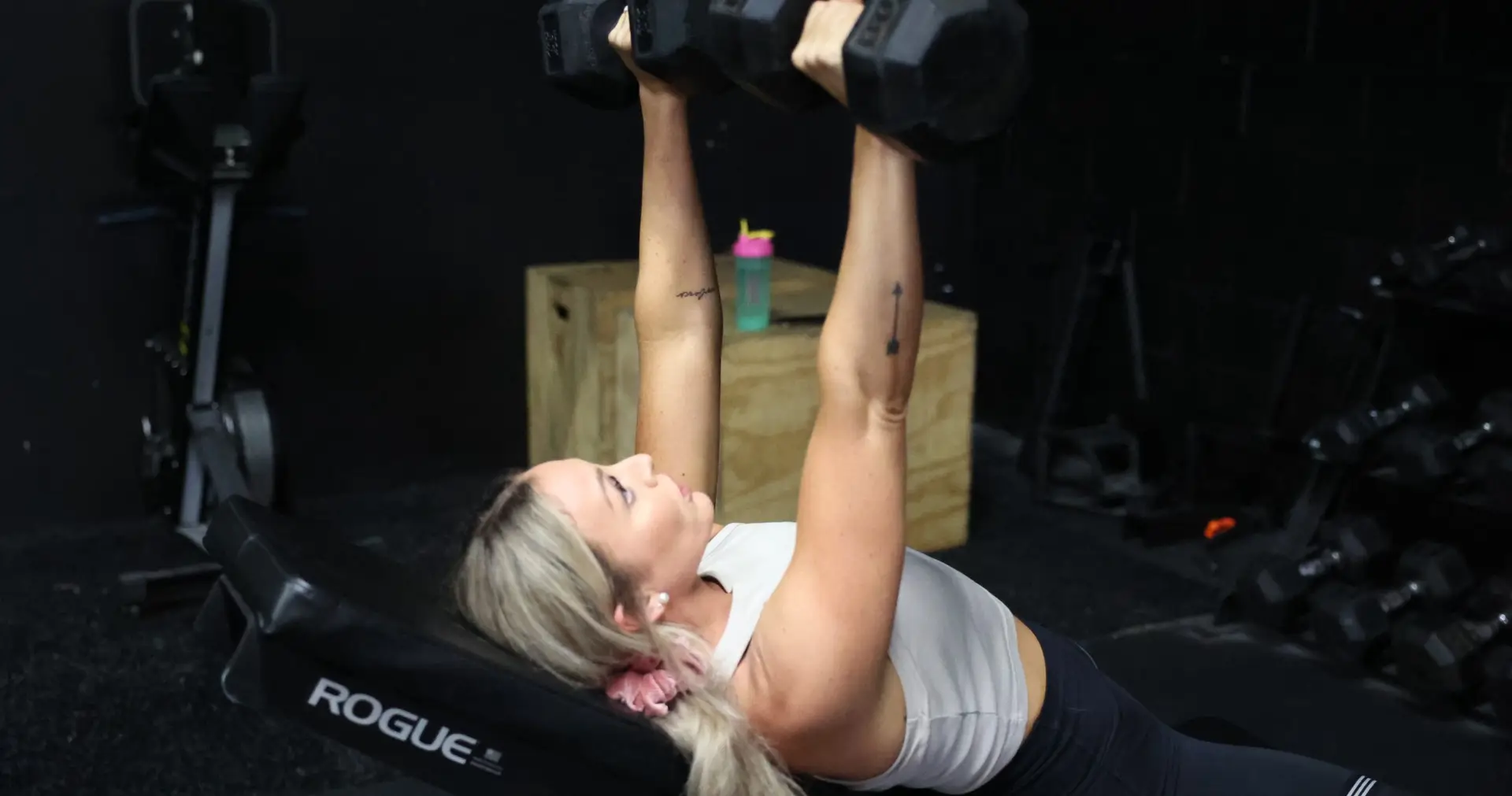
Search for bodybuilding gyms in Dallas and you’ll get the same list every time: big-box chains with rows of machines, 24-hour key-card clubs, and a couple of hardcore dungeons on the outskirts. Any of them can work. But if you’re serious about building muscle — actually progressing lifts, tracking volume, and eating and training with intent — the gym you choose matters more than the logo on the door.
This guide covers what actually matters in a bodybuilding gym, how the main options in Dallas compare, and who each type of gym is really for.
Dallas has three real options for bodybuilding: big-box chains, hardcore lifting gyms, and strength & performance gyms. Big-box works fine for beginners but caps out fast on equipment and culture. Hardcore gyms suit lifters who already know exactly what they’re doing. Strength & performance gyms — like Hunger in the Wild — give you heavy free weights, room to train, and coaching, which is what actually drives muscle growth year over year. Pick based on your stage and whether you want structure built in from day one.
Strip away the marketing and a gym built for muscle growth needs five things:
Dumbbells past 100 lbs, multiple barbells and squat racks, and enough plates that you’re never waiting or improvising. Machines are a supplement, not the foundation — the bulk of your growth comes from progressively overloaded compound lifts: presses, rows, squats, hinges.
Hypertrophy training lives and dies on rest intervals and back-to-back sets. A gym where you wait ten minutes for a rack at 6 pm is quietly costing you workouts. Look for gyms with capped memberships or off-peak access — total members per square foot matters more than total equipment.
Chalk, controlled failure, grunting on a last rep, filming your sets to check form — at some Dallas chains these get you side-eye or a talking-to. At a performance gym they’re just Tuesday. Train where effort is normal.
The biggest difference between lifters who transform in a year and lifters who look the same for five isn’t effort — it’s structure. Progressive overload, planned volume, deloads, and honest tracking. If you’ve been winging it, our guide to building a bodybuilding program covers the framework.
Even experienced bodybuilders hit plateaus that an outside set of eyes solves in a session — a stalled bench that’s really a technique problem, or “hardgainer” struggles that are really a volume-management problem. Access to real coaches is the difference between a facility and a training environment.
Gym Type | Best For | The Trade-Off |
Big-Box Chains (LA Fitness, EōS, Lifetime) | Beginners, machine-focused training, amenities like pools and saunas | Crowds at peak hours, dumbbell racks that stop at 100-120 lbs, cultures ranging from indifferent to actively hostile toward hard training |
Hardcore Bodybuilding Gyms | Competitive bodybuilders and powerlifters who want maximum equipment and zero frills | Little to no coaching, intimidating for newer lifters, quality varies wildly |
Strength & Performance Gyms | Lifters who want free-weight-first training, room to work, and coaching on tap | Fewer machines and amenities than a Lifetime — the focus is barbells, dumbbells, and results |
That third category is where Hunger in the Wild sits. We’re a strength and performance gym in Dallas’s Design District — 24/7 member access, competition-grade racks and platforms, dumbbells that go heavy, and a member cap that means you train instead of wait. Most of our members aren’t competitive bodybuilders; they’re people who want to build serious muscle with structure behind it.
Less than internet arguments suggest. Bodybuilding optimizes for muscle size; strength training optimizes for force production — but for the first several years they’re 90% the same work: progressive overload on compound lifts, sensible accessory volume, adequate recovery. Most Dallas lifters get the best of both from a hybrid approach, which is exactly how our strength training program is built. If your goals lean physique-first, a coach can bias your accessories, rep ranges, and volume toward hypertrophy — the skeleton stays the same. (Olympic lifters do this deliberately; see our piece on bodybuilding for weightlifters.)
Any gym in Dallas can rent you equipment. The lifters who change their physique year over year have three things: heavy free weights, room to use them, and structure that survives motivation dips. If that’s what you’re after, come see the gym — book a free visit and facility tour, or learn how personal training works if you want programming and coaching built in from day one.
It depends on your stage. Beginners do fine at big-box chains; experienced physique competitors often prefer hardcore gyms; lifters who want heavy free weights plus coaching and a training-first culture are best served by a strength & performance gym like Hunger in the Wild in the Design District.
Yes — the foundation is identical. A strength gym gives you the racks, bars, and heavy dumbbells hypertrophy training requires; you simply bias your programming toward volume and accessory work. Coaches can build that bias in for you.
Not forever, but almost everyone benefits at two moments: the start (technique and program structure) and plateaus (diagnosing why progress stalled). In between, good programming and honest tracking carry you.
Big-box chains run roughly $30-80/month, hardcore gyms $40-90, and performance gyms with coaching options more depending on how much coaching you use. Compare on cost per result, not cost per visit — a cheap membership you use badly is the most expensive option there is.
Ready to see the floor? Book a free consultation and facility tour, walk the Design District gym, and find out if Hunger in the Wild is the right fit for your training. Schedule your visit.
